How Kyiv’s Oldest Football Club Lokomotyv Revives Its Legend
In the second part of his interview with Kyiv Post, FC Lokomotyv President Oleksandr Yegorov discusses the club’s shift to European training methods, its role hosting 1,000 children – many from occupied territories – and his dream of rebuilding the club’s stadium into a 5,000-seat arena.
Kyiv Post
75
7 دقيقة قراءة
0 مشاهدة
FC Lokomotyv Kyiv is more than a football club – it is one large family striving to become more professional and modern despite the challenges of war.
In the second part of our interview, club president Oleksandr Yegorov discusses the club’s financial self-sufficiency, changes in training methodology, and Lokomotyv’s efforts to revive a historic name. He also explains how the club develops disciplined players, why Czech clubs are interested in Ukrainian trainees, and his vision for rebuilding Lokomotyv’s future.
Kyiv Post: You mentioned a desire for change. How do you see a modern football club today?
Oleksandr Yegorov: We decided that we definitely want to be a modern club. We communicated extensively with European colleagues, observed how the academies of giants develop, and decided to implement these changes gradually. Everything happening now leads to a systemic, unified club model that will resemble that of a European club.
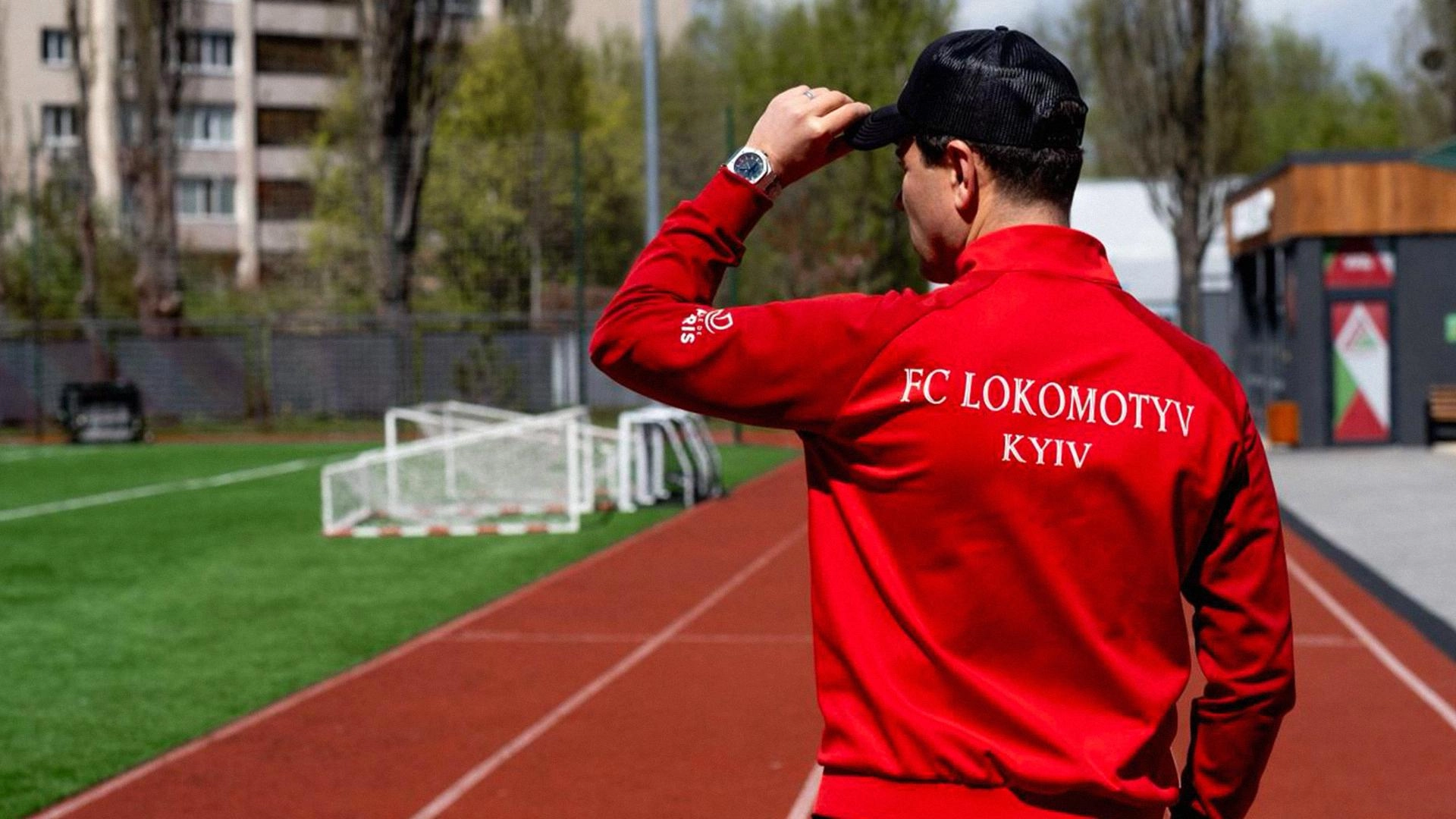
Oleksandr Yehorov on the pitch. (Photo via FC Lokomotyv’s press service)
And which specific model did you take as a basis?
Personally, I am drawn to the models of Ajax and Atlético Madrid. For example, we cannot move toward “La Masia” [Barcelona’s academy] right now because they have massive infrastructure where children live, study, and eat. We cannot afford that yet.
During a press gaggle near the White House on Saturday, May 9, President Donald Trump expressed readiness to send a US delegation to Moscow to negotiate an end to the war. Trump highlighted the “madness” of the conflict, noting that monthly casualties have reached 25,000–30,000 young soldiers. The statement follows a fragile three-day ceasefire brokered by Washington, which coincided with Russia’s Victory Day and a large-scale prisoner exchange.
Instead, the model of other academies suggests that children come for training, but a clear system is built: regarding the coaching staff, the organization of championships, and the player’s progression to the first team. In other words, we are currently focusing more on methodology over infrastructure.
Perhaps when the war ends and [Ukraine’s state-owned railway operator] Ukrzaliznytsia can allocate funds to us, there will be an opportunity to place more emphasis on infrastructure development. For now, we are self-sufficient, financing our needs using patrons, sponsors, and international partners.
The club today performs not only a sports function but also a major social one. How does that work?
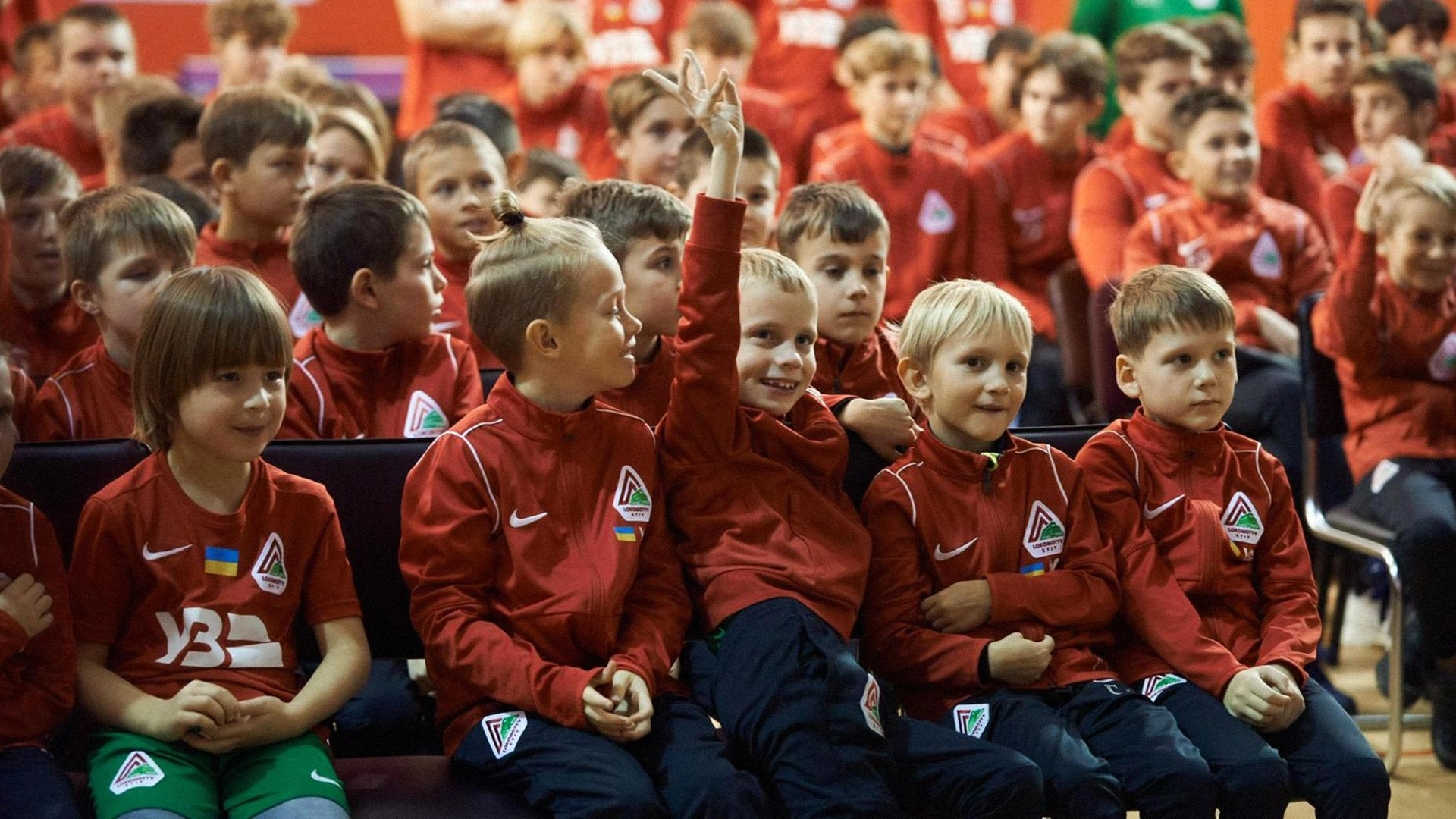
When the full-scale invasion began, we lost about 50% of our children, who moved abroad. But now, the number of trainees has actually grown – we have about 1,000 children in our system. This happened because we accepted many internally displaced children (IDPs) from occupied territories and combat zones. Today, children from the Donetsk and Luhansk regions, Mariupol, and Kherson make up nearly 50% of our academy.
Lokomotyv youth players. (Photo via FC Lokomotyv’s press service)
We have become more than just a football club for them; we are a social elevator and a place for adaptation. We provide them with the opportunity to play sports for free, find friends, and feel at home in Kyiv.
This is our mission – to help those who have lost everything due to the war.
So the club is currently funded almost entirely by patrons? These are not Ukrzaliznytsia funds?
No, these are external funds. Ukrzaliznytsia provides facilities and infrastructure. I cannot say they don’t help at all, but we pay for travel tickets. Many say, “Oh, you’re the Ukrzaliznytsia club, you travel for free.” That is not the case.
Ukrzaliznytsia is a joint-stock company where 100% of the shares belong to the state. The Cabinet of Ministers approves the financial plan and defines categories for discounted tickets. Lokomotiv academy footballers are not on that list.
Organizationally, it is easier for us: We can ask to attach a carriage or book seats earlier for the team. But financially – no. During the war, Ukrzaliznytsia is already operating at a loss, as it spends the lion’s share on overcoming the consequences of aggression: strikes on tracks, stations, depots, and locomotives.
Your academy is one of the strongest in Kyiv. How many children are in the club now?
I think it is one of the strongest even in Ukraine. We are absolutely on par with the academies of Rukh, Polissya, or Veres in terms of the quality of players we produce.
Currently, there are more than 700 children in Lokomotyv Kyiv, and about 900 together with branches in Kharkiv, Chernivtsi, Dnipro, Lviv, and Odesa. Now that figure is approaching 1,000.
About 30% of our children remain abroad and play for top clubs: Anderlecht, Leipzig, Atlético Madrid, Villarreal, Liverpool, and Bayern Munich.
It is a huge plus that Europe has recognized the quality of our training. At the same time, the club has not lost its numbers thanks to children from temporarily occupied territories. We have accepted everyone and do not limit admission. We have “Loko-1,” “Loko-2,” “Loko-3,” and “Loko-4” teams so that everyone has the chance to play football, while the best enter the “first teams” and get the opportunity to play at the highest level.
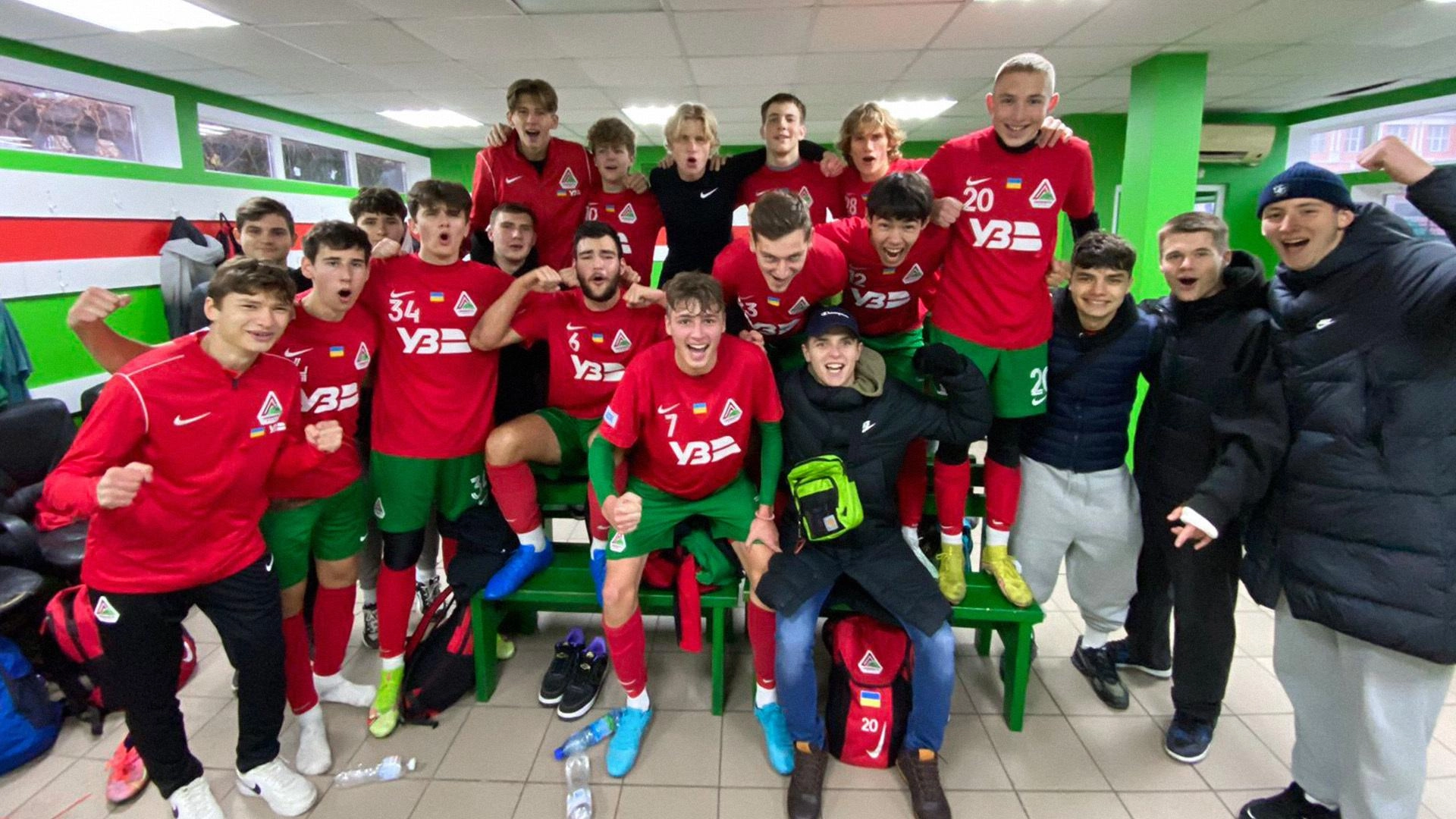
Lokomotyv youth players. (Photo via FC Lokomotyv’s press service)
What is your strategic vision? Are you raising children for yourselves, or do you plan to sell players like Ajax?
Ajax has an “80 to 20” model: 80% are raised for themselves, 20% for the market. We will act according to the same Pareto principle.
It is fundamental for us that players feel an identity and a sense of belonging to our brand. Trainees fight for the crest much harder than those we take on loan.
Are you building a system where all age categories play in the same style?
We have only just started doing this. We spent last year building consistency in style between the U-19, the reserves, and the first team. We unified the coaching staff and conducted analytics on the style of play. Now we are working on the model for the entire academy.
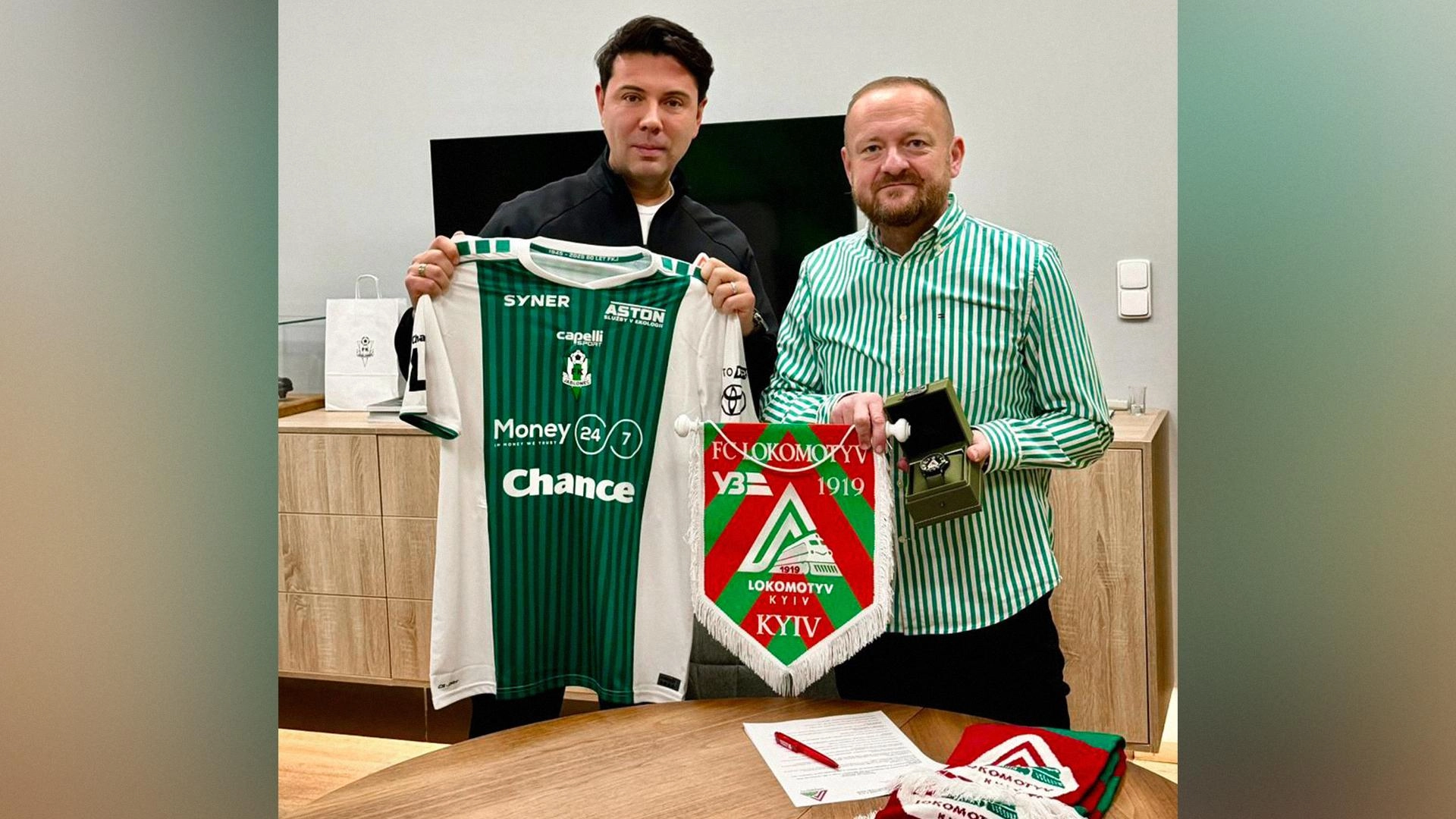
Recently, you signed an agreement with the Czech club FK Jablonec. What is the goal of this cooperation?
It is cooperation regarding players. They are interested in our trainees and would like to have the right of first contract after us. We also plan joint training camps, friendly tournaments, and training for the coaching staff. This will be a serious convergence. Even our colors are similar.
Oleksandr Yegorov with FC Jablonec President Jakub Střeštík. (Photo via FC Lokomotyv’s press service)
What is your unique selling proposition as a brand? What does Lokomotyv offer that others do not?
Our children are the most disciplined and the smartest. We pay a lot of attention to comprehensive development and have launched a major project to support talented youth called “Iron Shift.”
The main thing is the family atmosphere. Lokomotyv is one big family where parents, children, and the administration work together so that children can be happy despite these difficult times, including those who have faced extreme hardships.
Your slogan is: “Who are we? Loko!” To me, it immediately brought to mind the Spanish word “loco,” meaning “crazy” or “insane.” Was that intended during the rebranding?
Well, we didn’t specifically put that meaning into the slogan. But, if someone has that association, let it be. Let everyone know: We are crazy, stubborn, and unbreakable! And our rhino shows this perfectly.
Finally, if you were a journalist yourself, what question would you ask yourself?
OY: I would ask: “What is your biggest dream?” And the answer would be unequivocal: It is Lokomotiv’s promotion to the First League and the complete reconstruction of our home arena. We have had enough of the Second League; we need development.
I dream of a modern center with a history museum, a fan shop (which, by the way, is already opening at the South Station), and an academy. When I see the full stands of our new stadium for 5,000 spectators, I will be able to say that we have truly revived the legend. And from there – only the path to the UPL [Ukrainian Premier League, the highest League of the Ukrainian Championship].
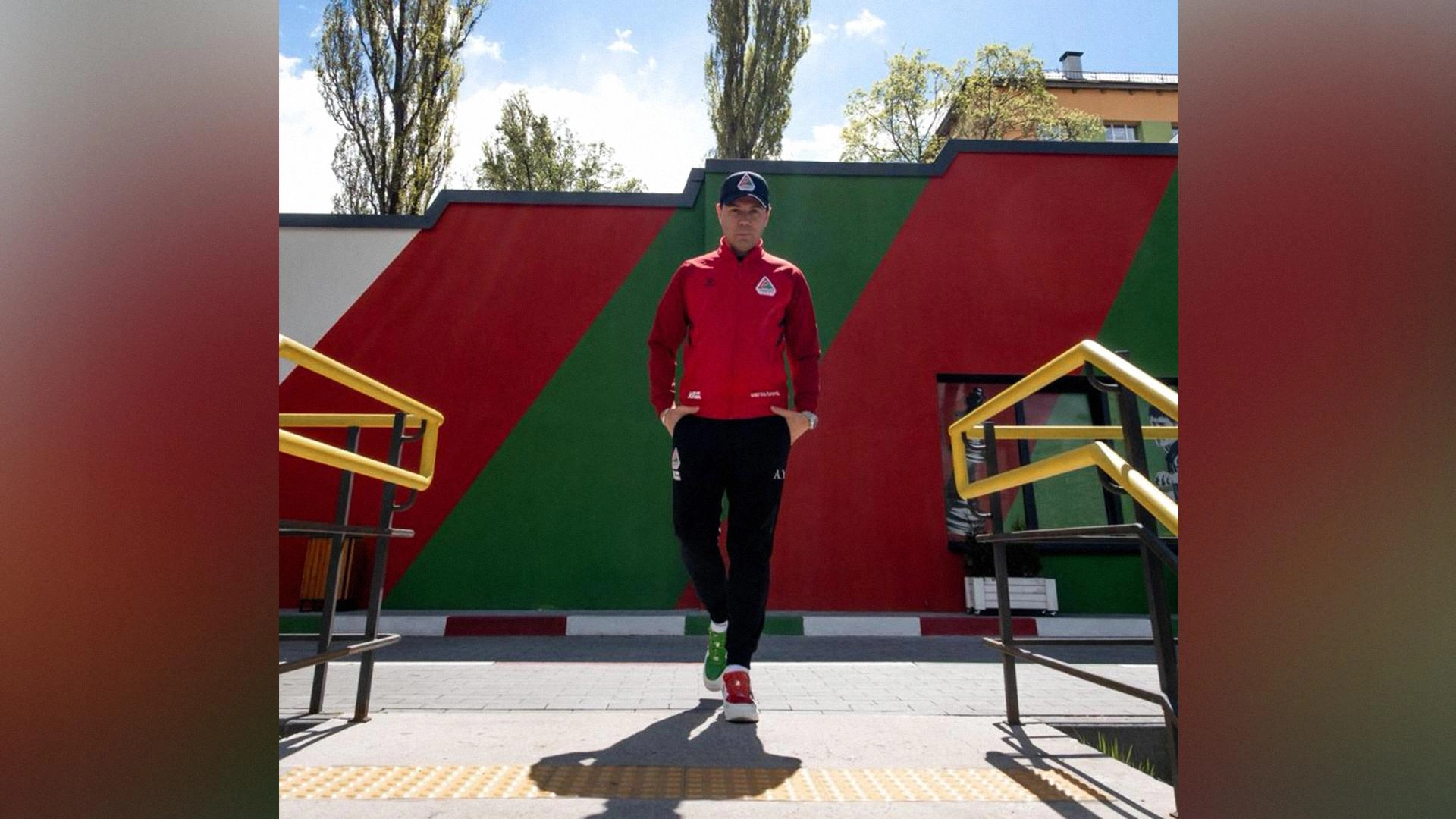
FC Lokomotyv President Oleksandr Yegorov. (Photo via FC Lokomotyv’s press service)