North Korea issues new tourism directives in Rason ahead of possible reopening
North Korea’s Rason city party committee has issued new operational directives to the heads of state-run international travel agencies and foreign currency shops in the special economic zone. The moves point to preparations for a large-scale resumption of international tourism. A source in Ras
Daily NK
75
4 دقيقة قراءة
0 مشاهدة

North Korea’s Rason city party committee has issued new operational directives to the heads of state-run international travel agencies and foreign currency shops in the special economic zone. The moves point to preparations for a large-scale resumption of international tourism.
A source in Rason told Daily NK on Tuesday that the city party committee recently convened an emergency meeting with the managers of state-run international travel agencies and foreign currency shops, ordering them to review their guidance systems and foreign currency earning readiness in line with the new instructions.
According to the source, the directives cover adjustments to foreign tourist itineraries and advance inspections of tourist routes, assessments of tour guides’ practical commentary skills, the exemption of key tour guides from rural mobilization campaigns, and tighter oversight of guides accompanying international visitors.
The directives appear designed to prevent gaps in tourist services during the annual rural mobilization period, while also minimizing contact between international visitors and the general North Korean population and tightening control over tour guides who interact closely with tourists.
North Korean authorities have actively sought to promote tourism as a sanctions-compliant source of foreign currency earnings. At the same time, they remain acutely wary of ideological contamination that could result from North Koreans coming into contact with foreign visitors or outside information.
Rason’s troubled tourism track record
Rason’s tourism sector has had a troubled recent history. The city, located in the northeastern tip of North Korea near the borders with China and Russia, was opened to Western group tourists in February of last year before abruptly closing again just three weeks later. Authorities gave no official reason for the suspension, but observers speculated at the time that inadequate visitor management had allowed foreigners an unfiltered view of conditions inside North Korea.
At present, only small numbers of Russian tourists enter Rason through the Vladivostok-Tumen River-Rason corridor on a restricted basis. Against that backdrop, the new operational directives have sparked speculation that authorities are laying the groundwork for a broader reopening to foreign visitors.
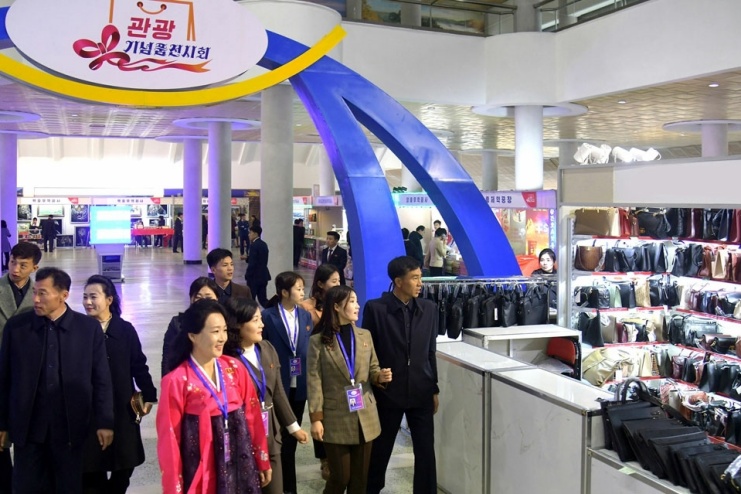
State-run international travel agencies based in Rason have reportedly made quiet overtures to North Korea-specialized travel companies, while foreign currency shops have been restocking tourist souvenirs and preparing to receive customers. Meanwhile, travel agency officials have been working to redesign tourist itineraries, an effort that is aimed both at preparing for a full tourism restart and at ensuring that foreign visitors are not exposed to the country’s rural poverty and deteriorating conditions.
“They want to minimize contact with the local population and hide what they don’t want the outside world to see,” the source said. “They need foreign tourists to earn hard currency, but they can’t accept having the real situation laid bare, and that tension is showing.”
The exemption of key tour guides from the rural mobilization campaigns is being noted as particularly unusual. Mass mobilization campaigns, in which virtually the entire population is conscripted to assist with rice planting and other agricultural tasks, are a fixture of the North Korean calendar and rarely admit exceptions.
“It is uncommon to exempt tourism guides from mobilization during the rice planting season, when everyone is supposed to take part,” the source said. “But those exempted will face pressure to deliver results in foreign currency earnings, or risk being subjected to ideological criticism.”
A Note to Readers


