Seyed Eissa Hashemi is the son of Masoumeh Ebtekar, the infamous spokeswoman for the Islamist militants who overran the US Embassy in Tehran during the 1979 hostage crisis.
Three Iranian nationals with alleged ties to the Islamic Regime of Iran who have been living in the US were arrested on Saturday after their lawful permanent resident (LPR) statuses were revoked, the US State Department announced.
Seyed Eissa Hashemi, his wife Maryam Tahmasebi, and their son were arrested after Secretary of State Marco Rubio terminated their LPR statuses. All three are now in the custody of US Immigration and Customs Enforcement (ICE) and will be removed from the US, the department said.
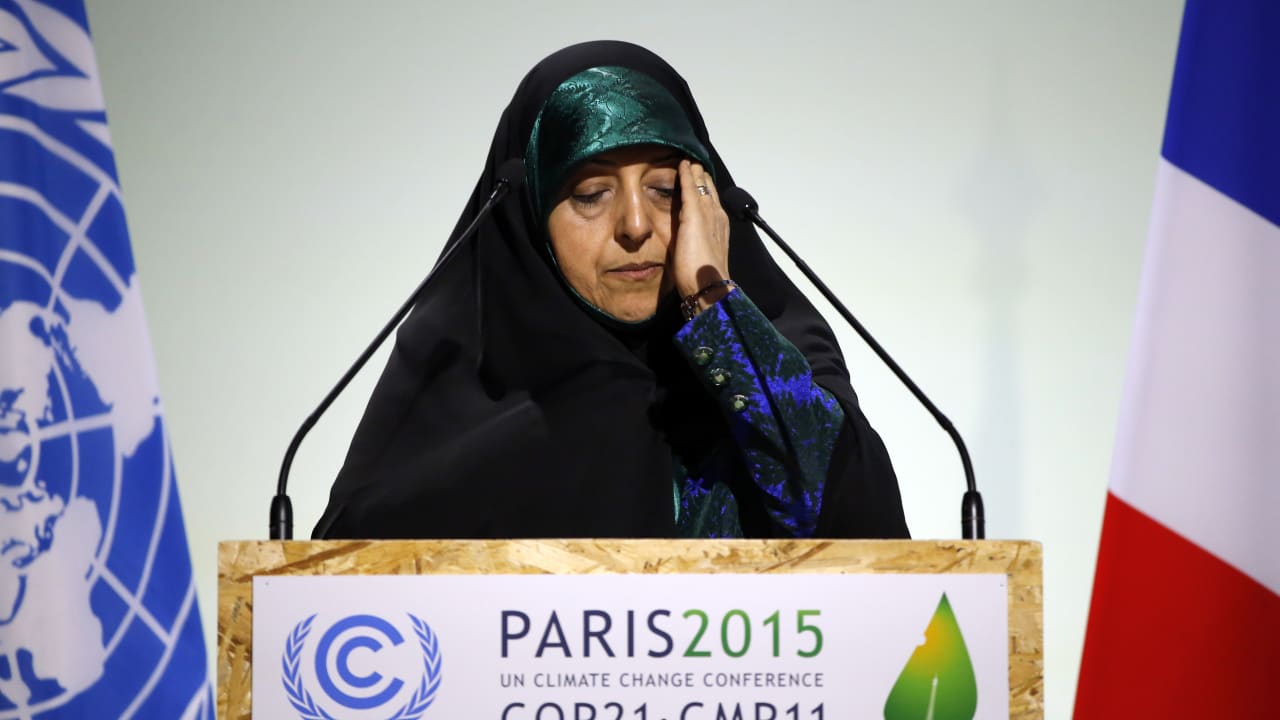
Hashemi is the son of Masoumeh Ebtekar, the infamous spokeswoman for the Islamist militants who overtook the US Embassy in Tehran during the Iranian Revolution of 1979 and took 52 Americans hostage.
Ebtekar, often known in Western media as “Screaming Mary,” played a key role in drawing up the propaganda that falsely portrayed the American hostages as being treated humanely while enduring severe physical and psychological abuse.
Ebtekar’s role as the media face of the kidnappers involved setting up misleading interviews with hostages and forcing them to lie about the conditions of their treatment to portray it in a positive light. In reality, the hostages faced mock executions, solitary confinement, and starvation on a regular basis. Following the hostage crisis that lasted for over a year, Ebtekar held prominent roles in Iran’s revolutionary government, including serving as vice president until 2021.
Hashemi, Tahmasebi, and their son entered the US on F-1 student visas in 2014. In 2016, during the Obama Administration, they were granted green cards through the Diversity Immigrant Visa Program, just months after a high-profile incident in which the Iranian Revolutionary Guard Corps (IRGC) seized two US Navy vessels and captured 10 American sailors.
Broader strategy seeks to prevent people with ties to anti-US regimes from living in the country
The termination of their LPR status follows a broader effort by the US government to target individuals linked to Iran's regime amid the ongoing war between the US, Israel, and Iran.
Last week, Secretary Rubio moved to revoke the legal status of Hamideh Afshar Soleimani, niece of the late IRGC Major General Qasem Soleimani, and her daughter. Both are now in ICE custody. The US has also terminated the legal status of Fatemeh Ardeshir-Larijani, the daughter of former Iranian Supreme National Security Council Secretary Ali Larijani, and her husband, Seyed Kalantar Motamedi. Both individuals have been barred from future entry into the US.
The US Department of State has reaffirmed its commitment to preventing individuals with ties to anti-American terrorist regimes from residing in the US. “The Trump administration will never allow America to become a home for foreign nationals tied to anti-American terrorist regimes,” read a statement issued by the department.
This latest move is part of a broader strategy to limit the influence of foreign nationals connected to regimes hostile to the US. The US Department of Homeland Security and ICE continue to collaborate in efforts to maintain national security, as US authorities pursue the removal of individuals with affiliations to Iran’s revolutionary regime and other groups considered threats to American interests, the department said.
While the 1979 hostage crisis ended decades ago, Human rights and advocacy groups say Tehran still holds several US citizens hostage, often in notorious prisons like Evin, to use as leverage in diplomatic disputes.