The TWZ Newsletter
Weekly insights and analysis on the latest developments in military technology, strategy, and foreign policy.
The ex-Philippine Navy warship was sent to the bottom during high-profile Luzon Strait drills and amid rising Indo-Pacific tensions. The post Missiles Clobber Target Ship In Highly Strategic Luzon Strait appeared first on The War Zone.

The TWZ Newsletter
Weekly insights and analysis on the latest developments in military technology, strategy, and foreign policy.
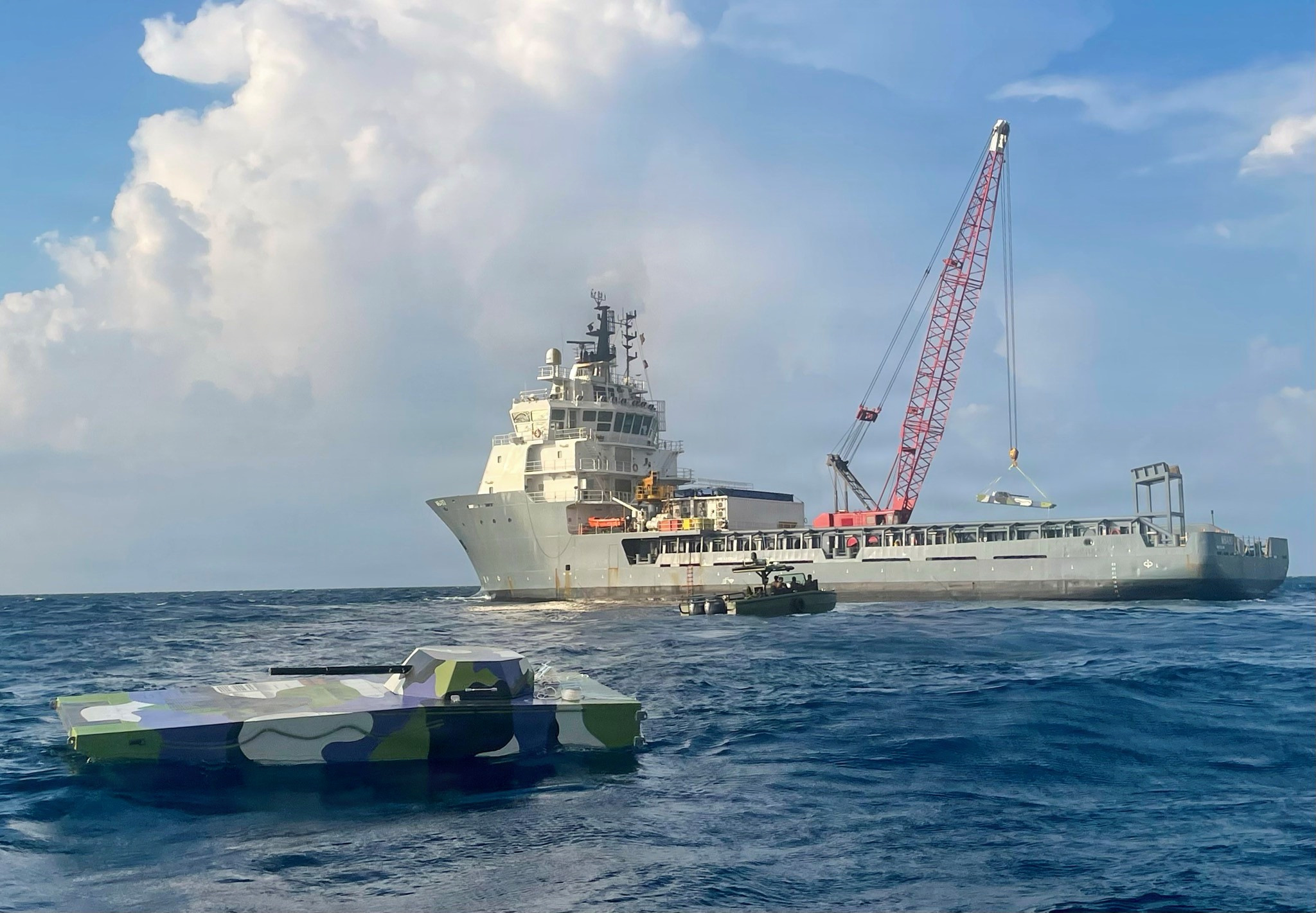
A former Philippine Navy warship was sent to the bottom today by the combined effects of maritime strike drills launched by Japanese, Philippine, and U.S. forces in the Luzon Strait, one of the world’s most strategic and tense bodies of water. The maneuvers, which reportedly involved a variety of anti-ship missiles and rocket artillery, were part of the broader Balikatan exercise, which is especially important in the context of rising tensions in the Indo-Pacific.
多国間共同訓練 バリカタン 26 (Balikatan 2026) において、88式地対艦誘導弾の射撃を行う、陸上自衛隊 第1特科団 第1地対艦ミサイル連隊。88式地対艦誘導弾の直撃を受けた標的艦はその後沈没した。 pic.twitter.com/V1Y4OCb4rU
— The Military Archives of Japan (@Archives_Japan) May 6, 2026Located roughly 50 miles offshore, the target vessel for a live-fire sinking exercise (SINKEX) campaign was the decommissioned Philippine Navy Rizal class patrol corvette, the former BRP Quezon. The ship was originally completed for the U.S. Navy as an Auk class minesweeper during World War II, serving as the USS Vigilance before being transferred to the Philippines and serving in a new role in the late 1960s. The BRP Quezon, which had a standard displacement of 890 tons, was decommissioned in 2021.
The maritime strike (MARSTRIKE) drills were conducted on the island of Luzon, which sits at the northern end of the Philippines, and is the country’s largest and most populous island. Specifically, the live-fire drills took place around the Paoay Sand Dunes, in the coastal region of Ilocos Norte.
The drills began around 10:00 a.m. local time with a U.S. Army M30/31 Guided Multiple-Launch Rocket System (GMLRS) fired as a “probing round,” with the location of the target vessel being confirmed around 10:15 a.m.
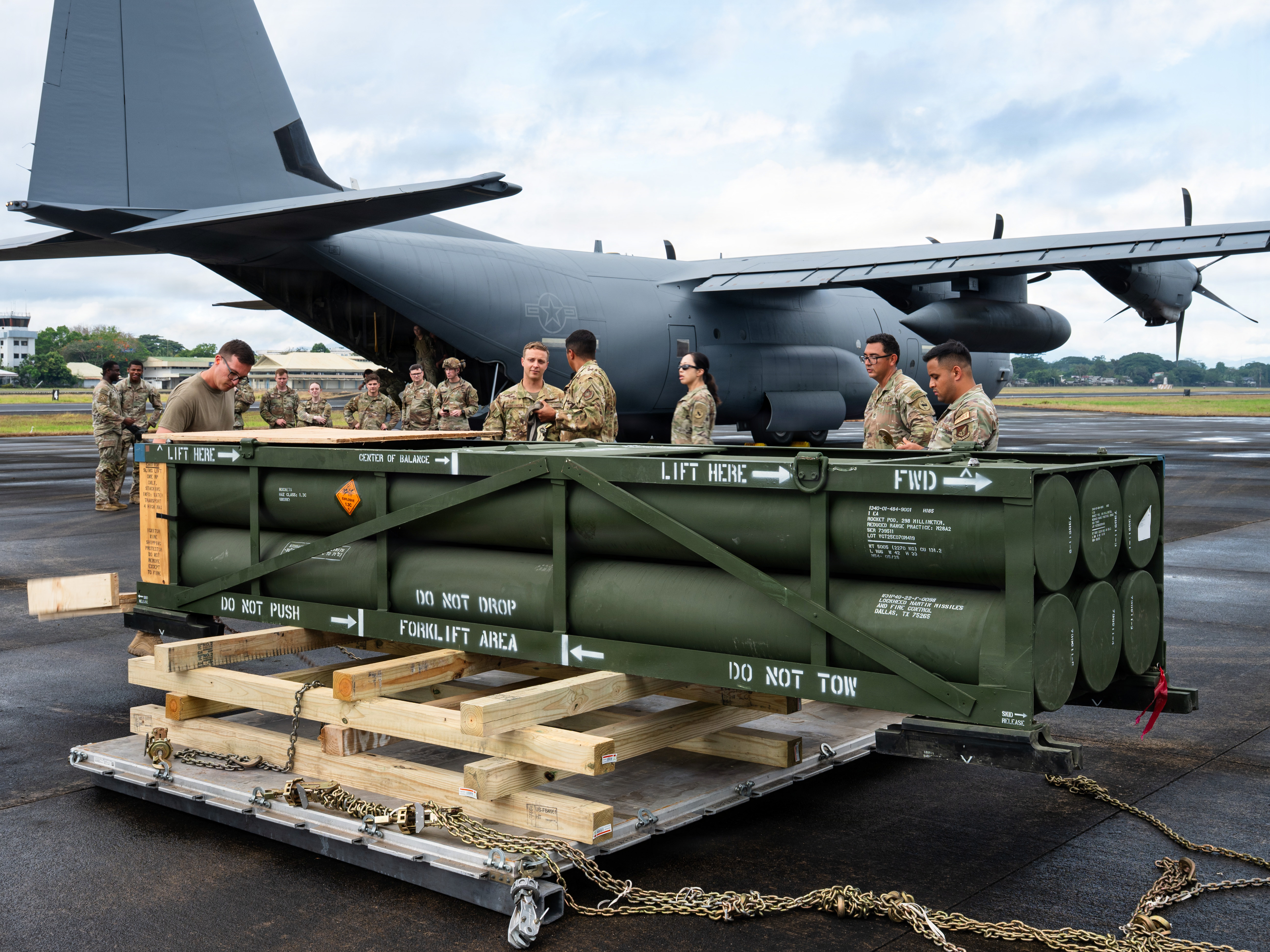
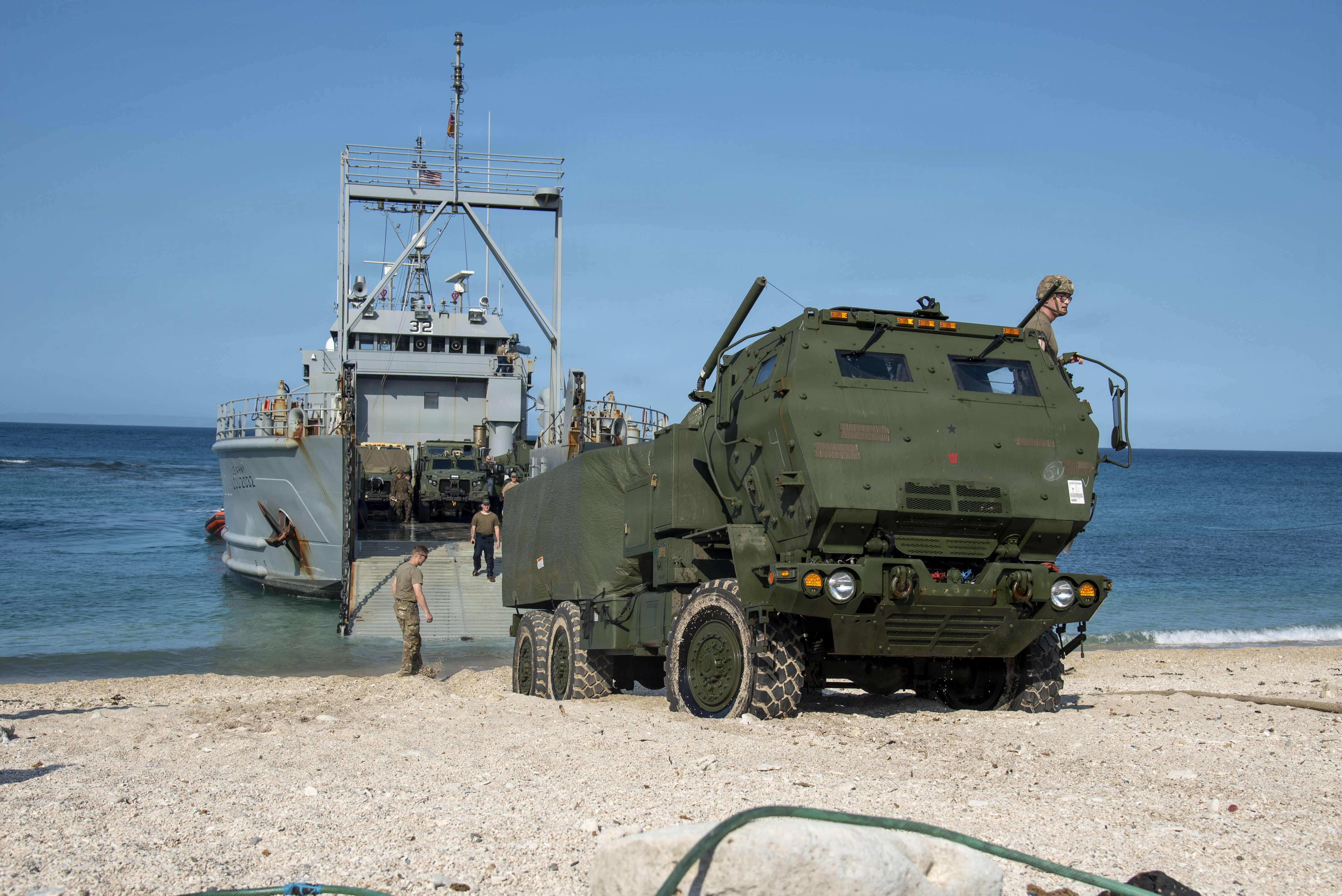
The GMLRS artillery rocket is a highly precise, rapid-strike weapon that can attack targets to a distance of around 50 miles, which would put it right at the limit of its range. It is fired from the M142 High Mobility Artillery Rocket System (HIMARS) that can launch six guided or unguided 227mm artillery rockets or a single Army Tactical Missile System (ATACMS) missile without reloading. GMLRS is not capable of engaging moving targets, so it has limited application in the traditional anti-ship mission set.
In a combined strike, anti-ship missiles were reportedly then launched from a U.S. Marine Corps Navy-Marine Expeditionary Ship Interdiction System (NMESIS) and from a Philippine Navy C-Star system.
Of these, NMESIS employs an uncrewed variant of the 4×4 Joint Light Tactical Vehicle (JLTV), also known as the Remotely Operated Ground Unit Expeditionary-Fires (ROGUE-Fires), on which is mounted a launcher with two ready-to-fire Naval Strike Missiles (NSM). These have a range of around 130 miles and have low-observable features, making them harder for enemy air defenses to detect and engage.
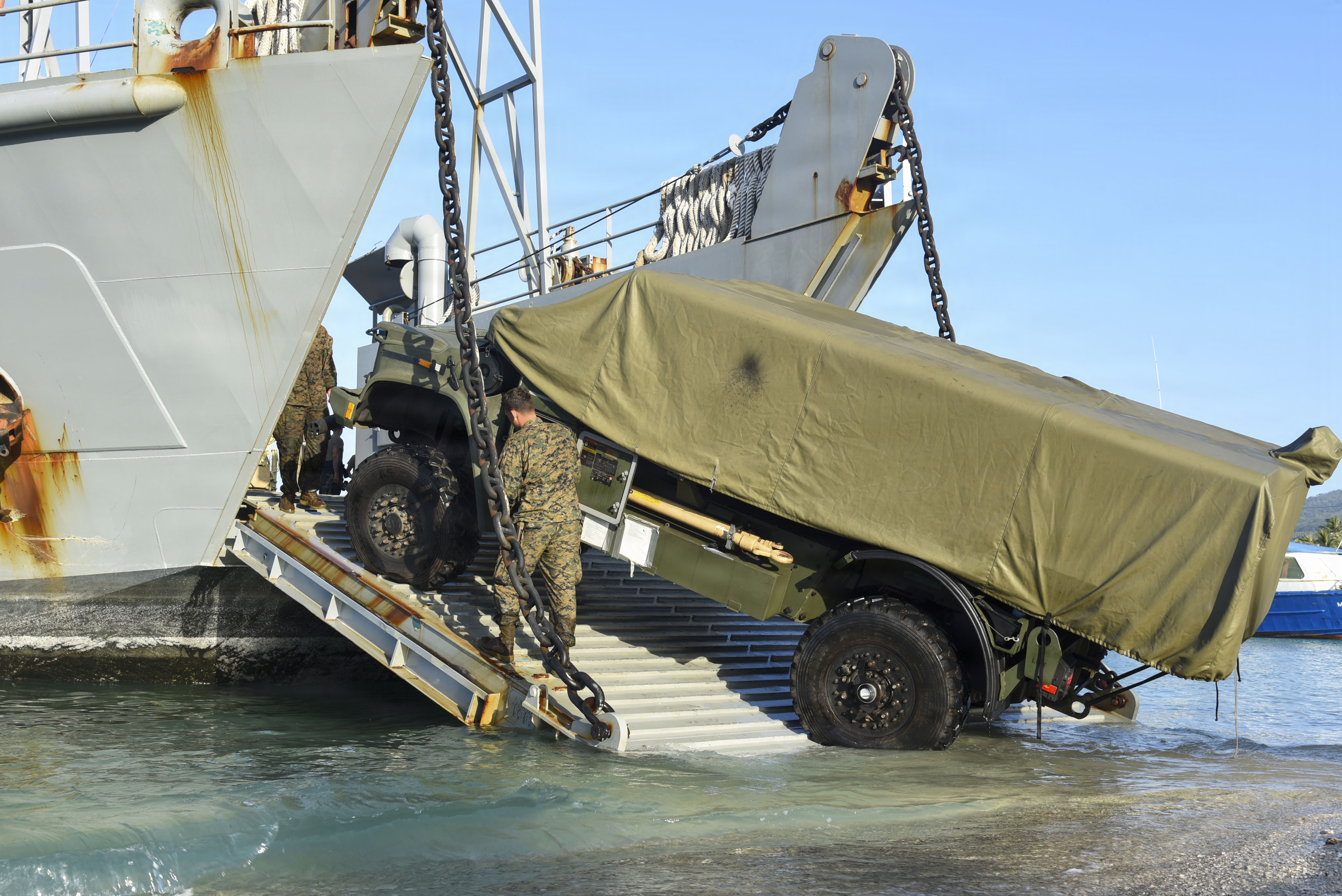
NMESIS is meant to be rapidly deployable and capable of highly dispersed operations in austere areas. As an uncrewed vehicle-launcher combo, small teams of Marines monitor multiple launchers dispersed around an area and move them regularly to keep them from being targeted by the enemy. The system was first deployed in a Balikatan exercise last year, as you can read about here.
While Philippine media reports that the NMESIS, operated by the Hawaii-based 3rd Marine Littoral Regiment, fired a missile during today’s drill, this is refuted by a report from Stars and Stripes. The 3rd MLR is notable in itself, being expressly designed to fight within an enemy’s own littorals, with all the challenges that brings.
Meanwhile, the C-Star is the Philippine Navy’s primary anti-ship missile. Produced by South Korea’s LIG Nex1, a version of this missile is used by the Republic of Korea Navy as the Haeseong. The Philippines uses the C-Star to arm its two Miguel Malvar class and two Jose Rizal class frigates, which are also made in South Korea. Similar to the U.S.-made Harpoon, the C-Star is a turbojet-powered, sea-skimming missile with a range of around 90 miles.
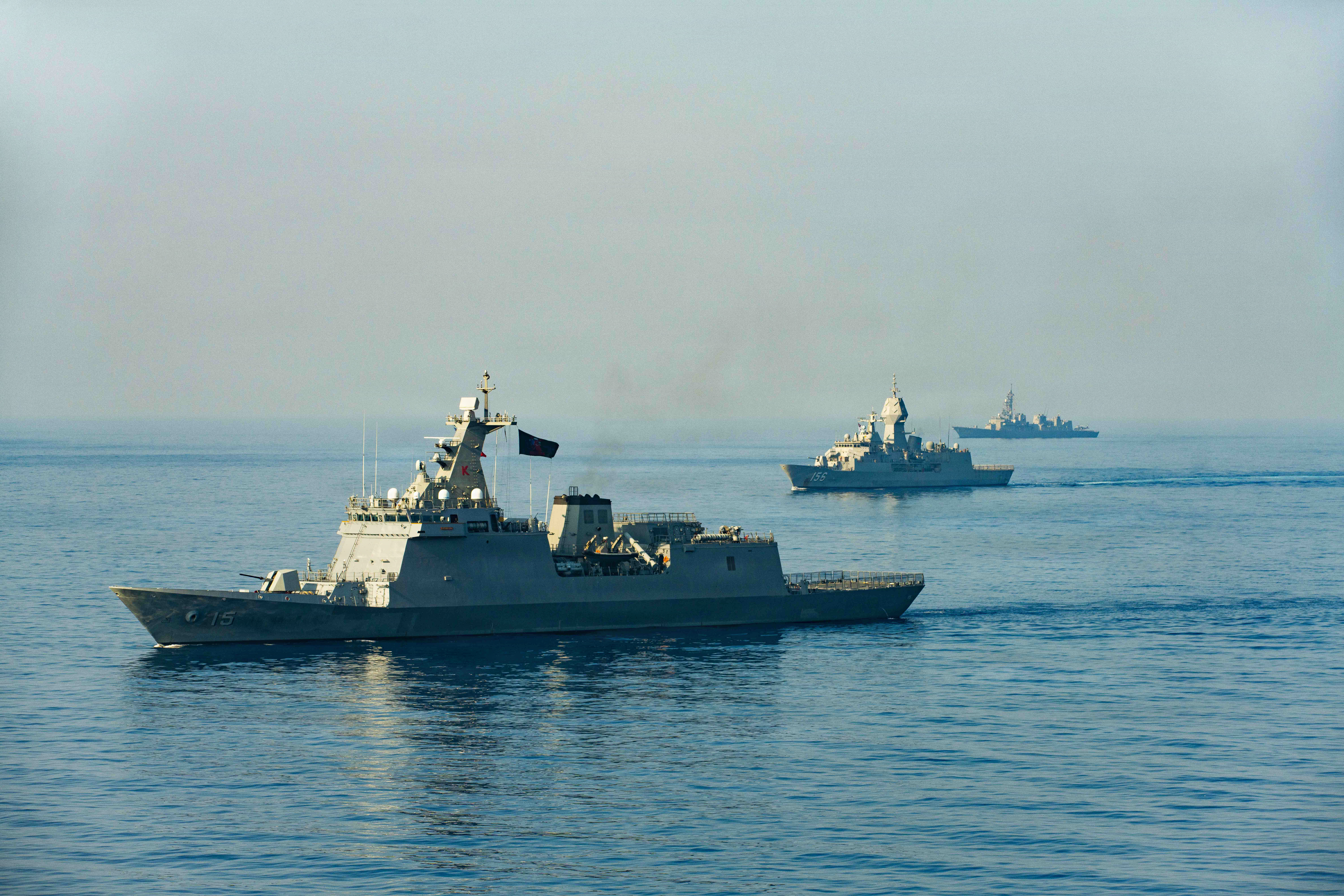
In the drill, the C-Star was likely fired from the Philippine Navy frigates BRP Miguel Malvar and Antonio Luna, both of which are known to be taking part in Balikatan.
These were followed by two rounds fired from a Japanese land-based Type 88 anti-ship missile system, fired for the first time during a Balikatan exercise, and for the first time anywhere outside Japan. The Japanese missiles reportedly struck the hull of the target ship around 10:30 a.m.
Developed by Mitsubishi Heavy Industries in the 1980s, the Type 88 (also known as the SSM-1) is the primary coastal anti-ship missile system of the Japan Self-Defense Forces, with a range of around 100 miles, although more capable and further-reaching weapons are now in development, as you can read about here.
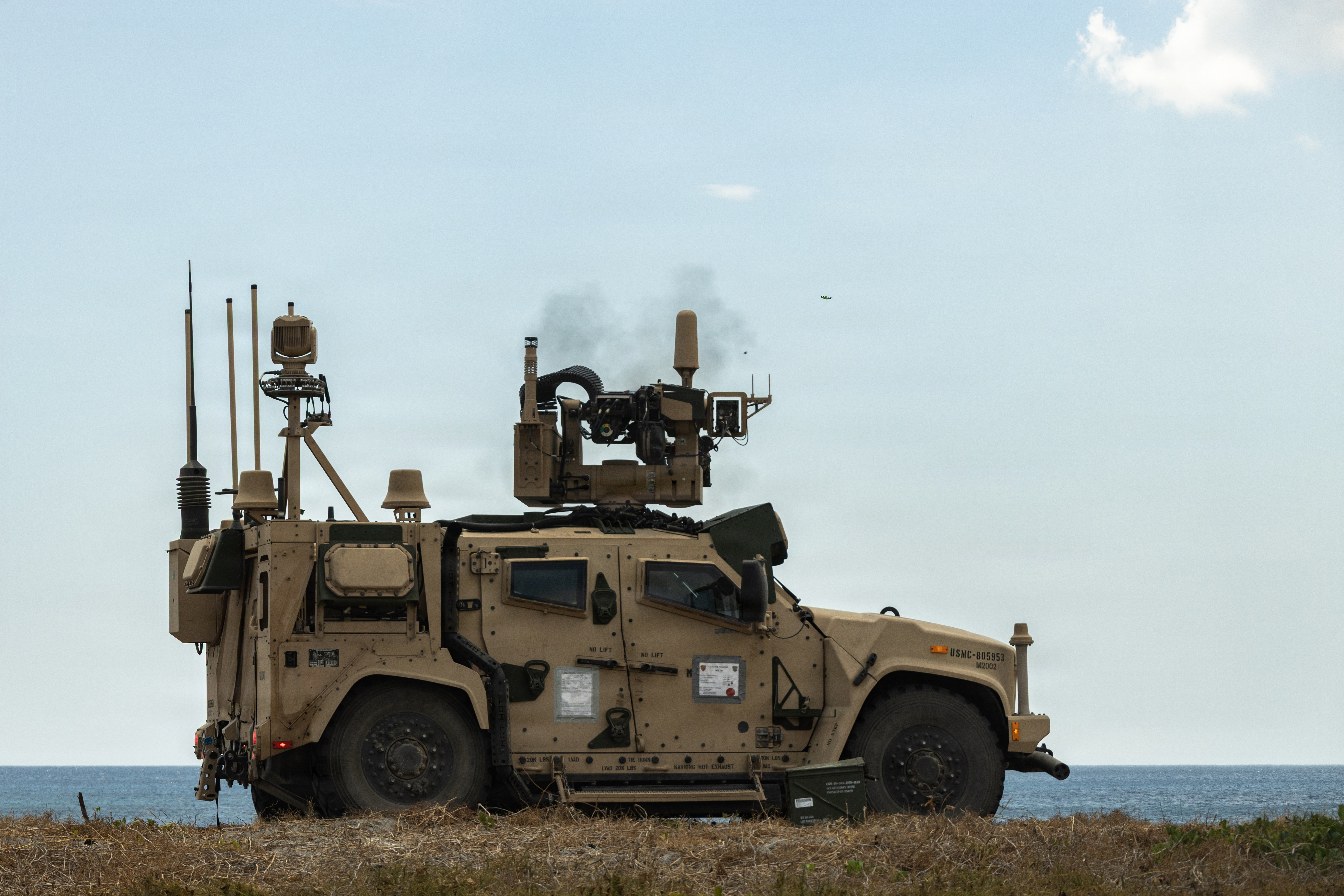
Interestingly, in a video released of the live-fire event in Ilocos Norte, close protection was being provided to the truck-mounted Type 88 launcher by a Marine Air Defense Integrated System (MADIS), also from the 3rd Marine Littoral Regiment. MADIS utilizes the JTLV and distributes different sensors and effectors between individual JLTVs, as you can read more about here. In this kind of scenario, it would be tasked with protecting the coastal missile battery against kamikaze drones and other aerial threats at short ranges.
The vessel sank rapidly, meaning that the Philippine Air Force wasn’t able to deliver more munitions onto the target. FA-50 light combat aircraft and A-29 Super Tucano turboprop close support aircraft had both been prepared to strike the same ship, but were stood down.
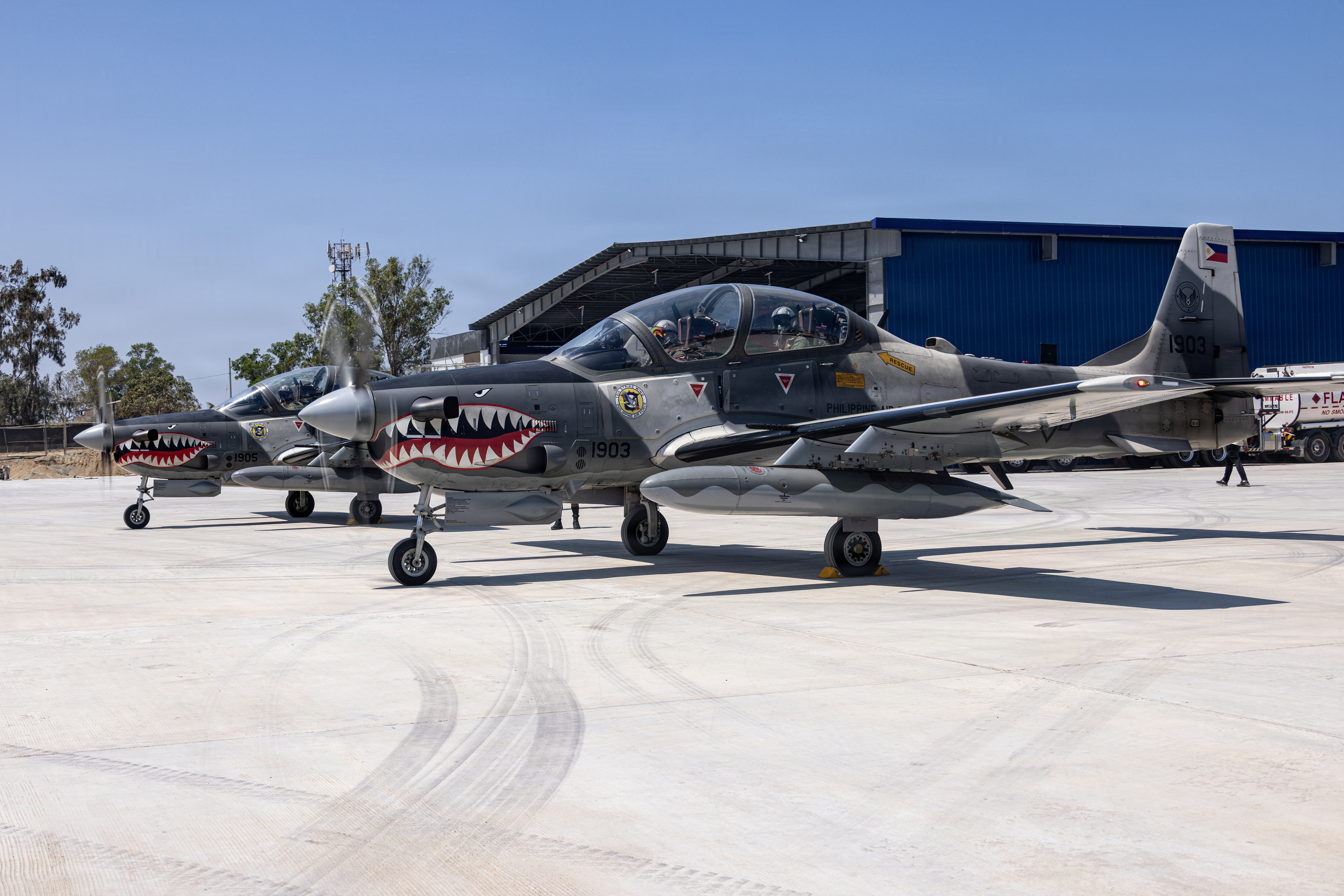
Other air assets taking part included a U.S. Navy P-8 Poseidon maritime patrol aircraft and an MQ-9 drone.
With the ship sunk or sinking, a coup de grace was provided by a U.S. HIMARS, which fired onto the same coordinates.
Also involved in Balikatan is the Royal Canadian Navy frigate HMCS Charlottetown, although it appears that it didn’t take part in the live-fire event.
According to a Philippine military spokesperson, another round of live-fire drills will take place tomorrow as part of Balikatan, utilizing a stand-by target vessel. This will also allow Philippine Air Force aircraft to take part.
The live-fire drills, conducted under the Balikatan exercise, signaled a notable expansion of Japan’s military role in the region as Tokyo strengthens security partnerships with its allies amid growing tensions with Beijing.
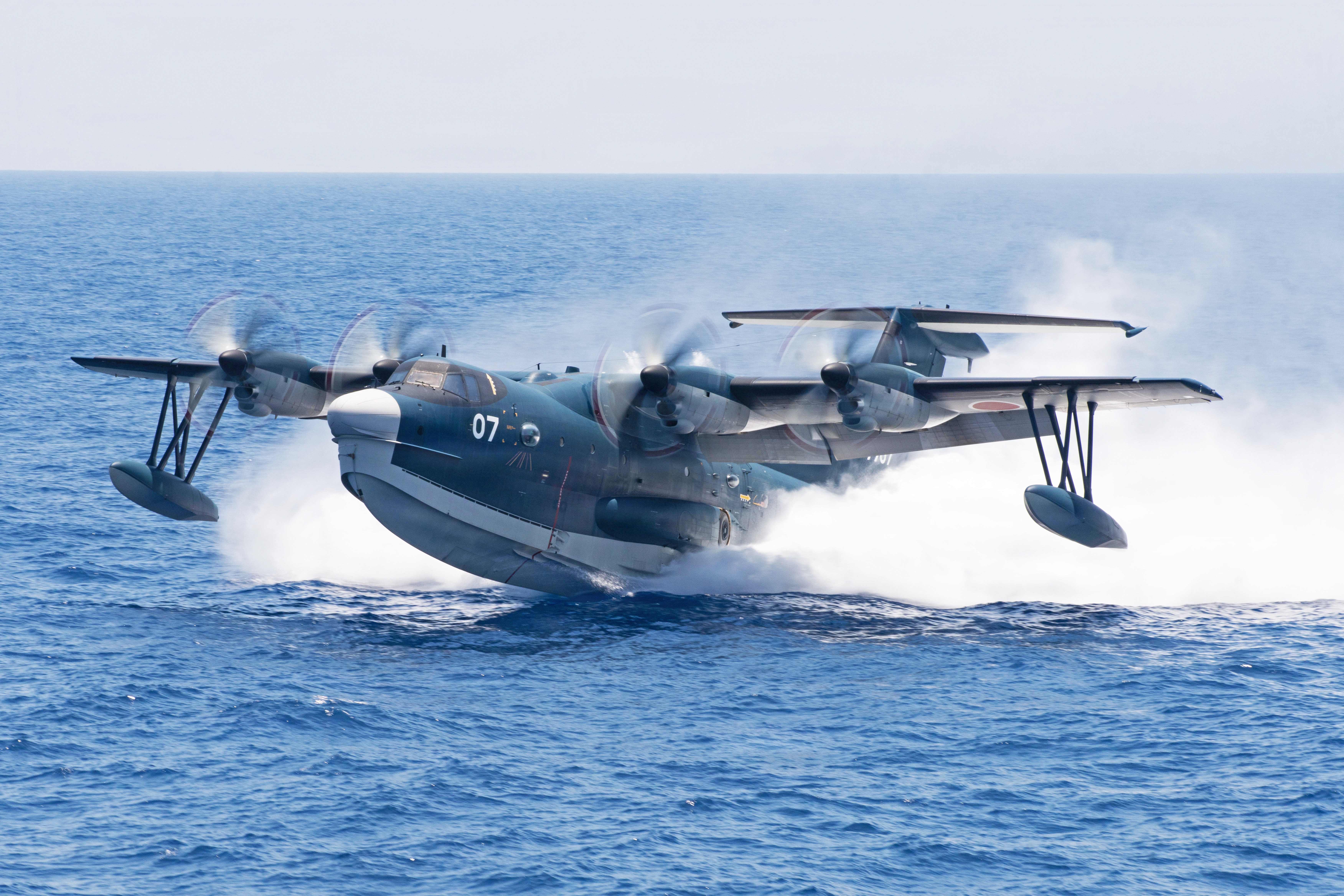
Overall, the live-fire exercise is highly significant due to its proximity to the Chinese mainland and the long range of some of the missiles that have been employed.
The Luzon Strait, into which the various missiles and rockets were fired, sits between Taiwan and the Philippines, spanning about 220 miles at its narrowest point. It serves as a vital shipping route and a highly strategic military corridor, particularly for China’s rapidly expanding naval forces. From this passage, assets stationed in the South China Sea can move into the Philippine Sea and the wider Pacific, and back again. This includes China’s growing fleet of nuclear-powered submarines, some of which underpin its second-strike nuclear deterrent.
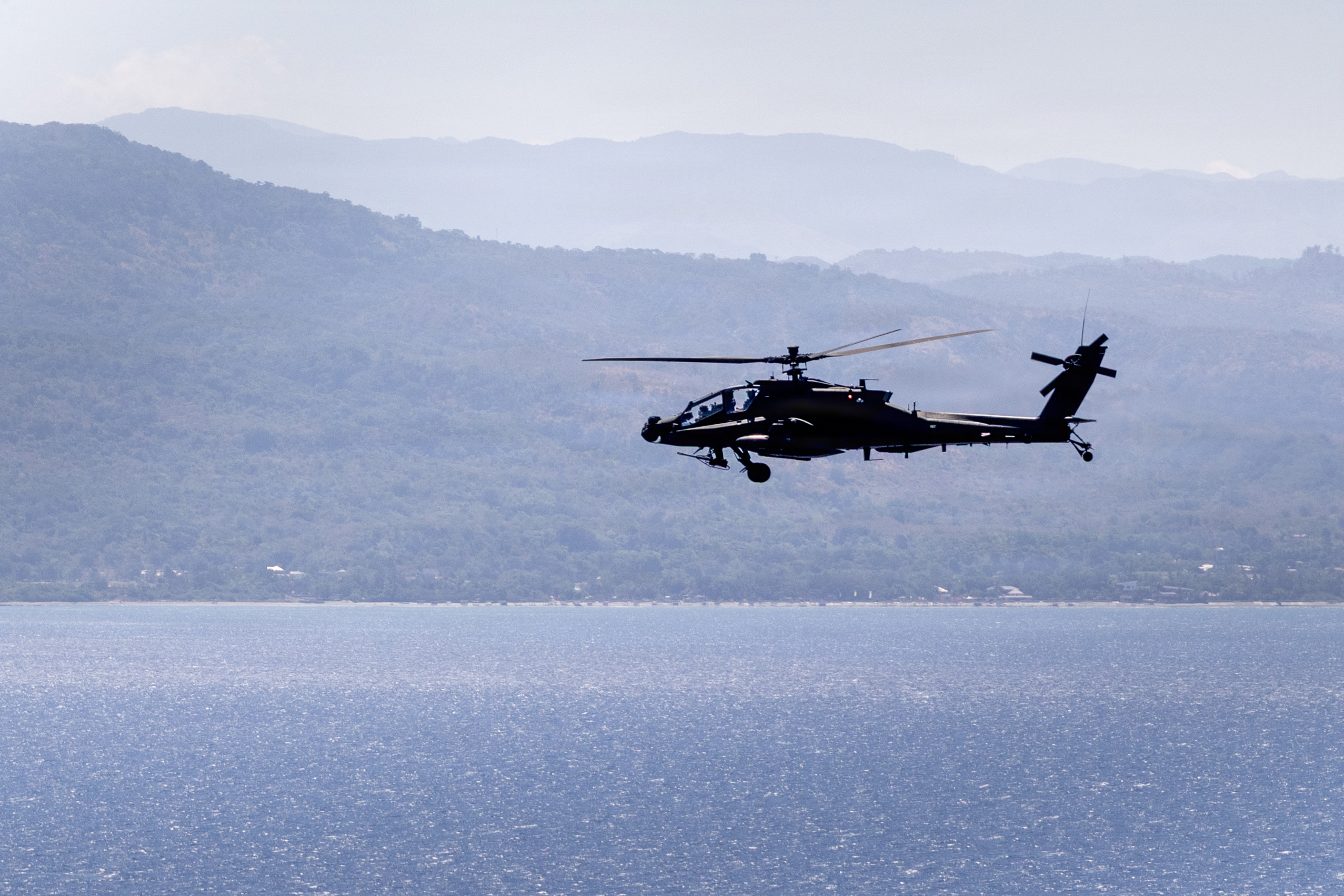
The strait is also a crucial gateway for the U.S. Navy entering the South China Sea and would likely be a central battleground in any major conflict over Taiwan. Because of its importance, the area is closely monitored for activity both above and below the surface. In the event of war, it would quickly turn into a dense anti-ship missile engagement zone (SMEZ). The live-fire campaign today gave just a small taster of that kind of contingency.
Earlier this week, the U.S. Army test-fired a Tomahawk cruise missile from a Typhon launcher in the central Philippines, successfully hitting a target around 370 miles away in Nueva Ecija.
On this occasion, the Tomahawk missile was supporting ground troops in a night land maneuver exercise led by the 25th Infantry Division in Fort Magsaysay, part of the Balikatan exercise.
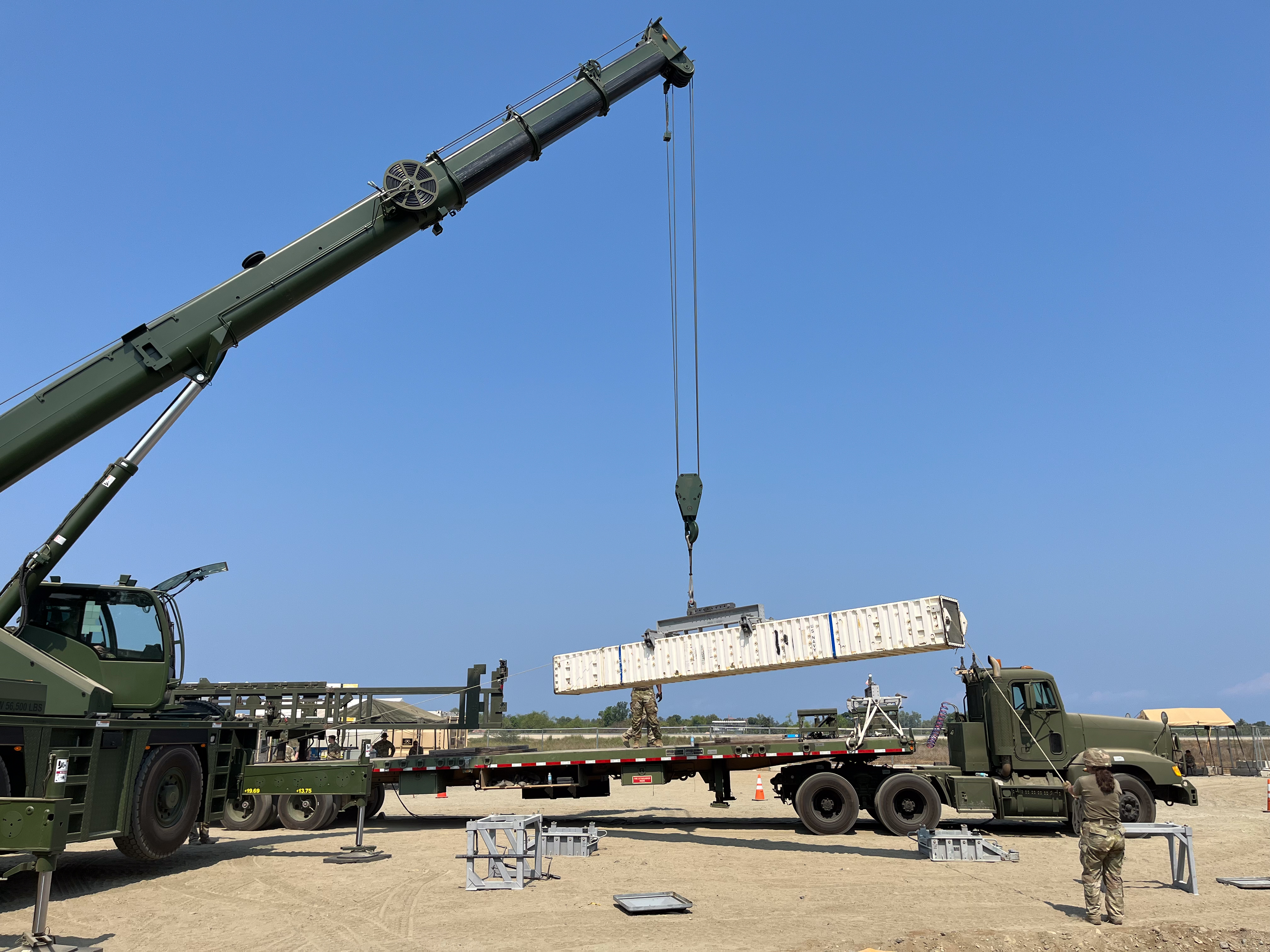
The Typhon ground-based missile system can also fire SM-6 multi-purpose missiles, which are used in this application in a quasi-ballistic missile land-attack mode. As for the Tomahawk cruise missile, this provided land attack and anti-ship capabilities.
As we have discussed before, Typhon’s arrival in the Philippines in 2025 sent a clear signal to Beijing and throughout the region. It is a glimpse of what’s to come as the service works through plans to permanently base these systems in China’s backyard.
Compared to the longer-range Typhon, which is deployed further from the Luzon Strait, for the Balikatan exercise, the shorter-range NMESIS and Type 88 anti-ship missiles are pushed much closer to the zone in which their likely wartime targets would be found. As we have explored in the past, anti-ship missiles of this kind, and especially NMESIS, can also be deployed deeper into the strait, making use of smaller Philippine islands, like the Batanes island chain, although that ratchets up their exposure to counterstrikes considerably.
LOOK: The Japan Self-Defense Forces (JSDF) on Wednesday fired their Type 88 surface-to-ship missile during the maritime strike, part of Balikatan Exercise 2026.
The Armed Forces of the Philippines confirmed that the missiles launched hit the target—decommissioned Philippine Navy… pic.twitter.com/7QkzlB4qvW
For both these kinds of missiles, their survival would rely upon the dispersal of launchers and other vehicles, as well as regularly moving them around to help prevent them from being targeted by the enemy. Of course, with the uncrewed NMESIS, this is designed from the ground up to not put personnel in harm’s way. All of this kind of doctrine is central to the Marines’ Expeditionary Advanced Base Operations (EABO) strategy, which is now a core tenet of how it would fight in the Pacific.
Already, China has voiced its displeasure at the deployment of the U.S. Army’s Typhon system to the Philippines. What is now becoming a regular appearance of NMESIS, backed up by other highly mobile strike systems, including allied anti-ship missiles, within reach of the Luzon Strait, will undoubtedly trigger similar concerns in Beijing. However, the live-fire sinking exercise today underscores how critical this waterway is to the U.S. military and its allies in the region, just as it is to China. Having more varied and more mobile anti-shipping assets in the northern Philippines complicates targeting for China, while extending the capabilities of the anti-access strategy of the U.S. military and its allies in the Luzon Strait, should a conflict break out.
Contact the author: thomas@thewarzone.com

The Russian troops launched a drone strike on the Novobavarskyi district of Kharkiv, causing a fire to break out.

Russian Gerbera UAVs are dropping FPV drones carrying warheads deep inside Ukrainian territory – more than 30 km from the border.

Explosions and a fire have been reported at the Perm linear production and dispatch station in the Russian city of Perm, located more than 1,500 km from the border with Ukraine.

The death toll from the May 4 strike on Merefa in the Kharkiv region has increased to eight after a seriously wounded man died in the hospital.