North Korea pushes boil-water order as spring disease season arrives
North Korean authorities are intensifying sanitation controls and disease-prevention propaganda to curb the spread of waterborne illnesses as temperatures rise in May 2026, but North Korean people say the campaign amounts to orders they cannot realistically follow. A Daily NK source in North Hamgyon
Daily NK
75
4 min read
0 views

North Korean authorities are intensifying sanitation controls and disease-prevention propaganda to curb the spread of waterborne illnesses as temperatures rise in May 2026, but North Korean people say the campaign amounts to orders they cannot realistically follow.
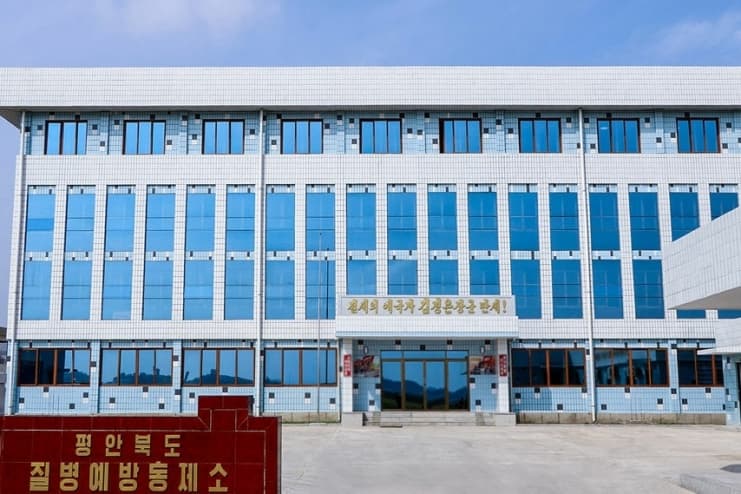
A Daily NK source in North Hamgyong province said on Friday that the Hoeryong City Disease Prevention and Control Center had ramped up sanitation oversight across the border region at the start of the month, acting on directives from the provincial health bureau. The Disease Prevention and Control Center is a local public health body responsible for epidemic surveillance and sanitation enforcement. “Sanitation propaganda and inspections are being conducted frequently in neighborhood watch units and military units alike,” the source said.
Neighborhood watch units, the basic administrative cells through which the North Korean state monitors and mobilizes the population at the household level, have been designated a key vehicle for the current campaign.
The source said authorities appear to have judged that public vigilance was slipping following the March-April Spring Sanitation Month campaign, and that rising temperatures along the Tumen River had heightened the risk of typhoid and cholera outbreaks. On May 2, the Hoeryong City Disease Prevention and Control Center launched a mass “boil your water” propaganda drive through the city’s neighborhood watch units. Markets and street vendors have since faced restrictions and enforcement actions targeting unboiled-water products such as ice, cold drinks, and cold noodles.
Orders collide with fuel shortages and crumbling infrastructure
In practice, however, the boil-water directive is going largely unheeded because the conditions required to follow it do not exist for many North Korean people, the source said. Firewood shortages leave many households without the means to boil water, so they draw directly from wells or rivers. Market vendors are continuing to sell cold food items, evading inspections as best they can.
North Korean people are also voicing frustration that the state is pressing them to boil water while doing nothing to repair the underlying infrastructure problems. Tap water service is unreliable or absent in many areas, forcing people to draw water from the Tumen River directly.
“The problem is that tap water isn’t flowing, so people are hauling water from the Tumen River,” the source said. “Without practical measures like disinfectant distribution or water purification upgrades, the spring epidemic problem will keep repeating itself every year.”
The source added that many North Korean people feel the authorities already understand the situation. “People are managing on their own. The complaint is that nobody understands why they keep being called together and dispersed for the same round of propaganda and inspections,” the source said.
Caught between the health authorities’ demands and the community’s frustration, neighborhood watch unit leaders and their designated sanitation officers are bearing the brunt. The Hoeryong City Disease Prevention and Control Center has been pressing neighborhood watch units to conduct household-level sanitation inspections and educational sessions focused on typhoid and cholera prevention, adding to the workload of already strained local officials.
A Note to Readers


