The TWZ Newsletter
Weekly insights and analysis on the latest developments in military technology, strategy, and foreign policy.
The conflict in the Middle East is now also driving up demand for and increasing scarcity of various kinds of air-defense effectors. The post Ukrainian F-16s Had Only A Handful Of Sidewinder Missiles Available: Report appeared first on The War Zone.

The TWZ Newsletter
Weekly insights and analysis on the latest developments in military technology, strategy, and foreign policy.
For more than three weeks, Ukraine was left with only “a handful” of U.S.-made AIM-9 Sidewinder air-to-air missiles for its F-16 fleet, after the supply of the weapons dried up. This is the conclusion of a Reuters report, citing three sources, all of whom are said to have direct knowledge of the situation. It also comes as Kyiv is increasingly in competition with the U.S. military and its Gulf allies as they come under continued pressure from Iranian drones and missiles in the Middle East.
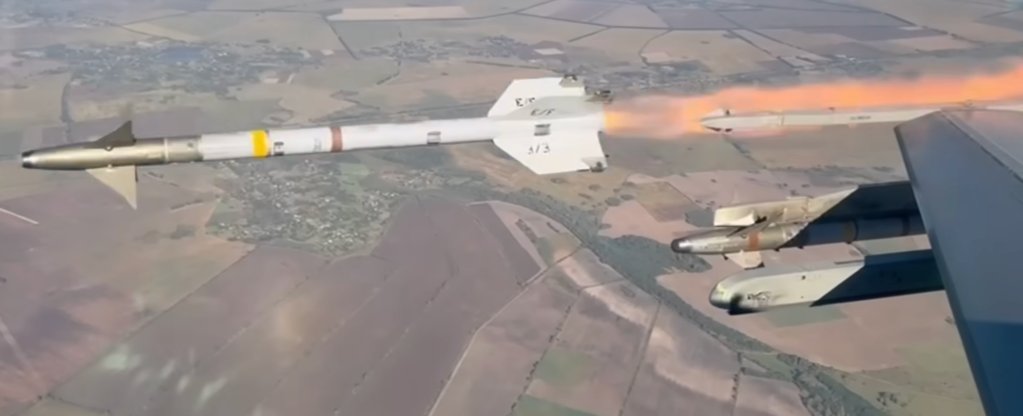
The shortage of infrared-guided air-to-air missiles occurred between late November and mid-December of last year, the three sources said. This was a critical time, just before Russia began its winter campaign of bombardment against Ukrainian cities and infrastructure.
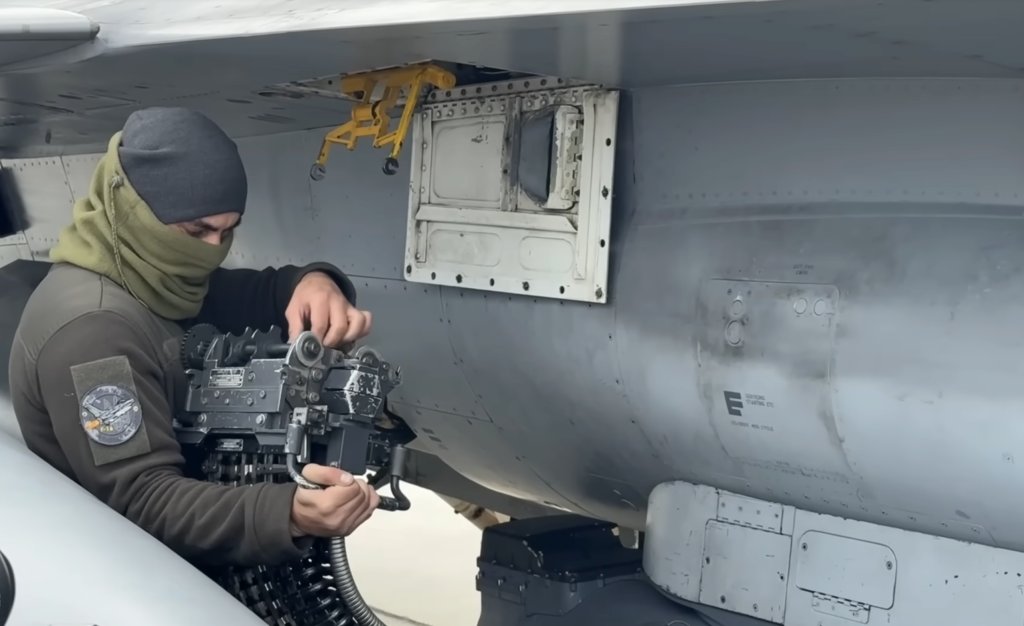
According to one of the sources, during the period when AIM-9s were in short supply, F-16 pilots were forced to fly daytime sorties and instead try to shoot down drones with their internal 20mm M61 Vulcan cannon. This is hardly ideal, since the Russian drone attacks normally come at night, but gunning down targets in the hours of darkness is judged too dangerous.
🚨 BREAKING
🇺🇦 Video reportedly shows a Ukrainian Air Force F-16AM using its M61A1 Vulcan rotary cannon to shoot down a Russian Shahed-136 attack drone over Ukraine.
If confirmed, this would mark one of the first publicly seen gun kills by a Ukrainian F-16 against a Shahed… pic.twitter.com/ULIuDHcVyY
As we have discussed many times before, taking out slow-moving drones via another fixed-wing aircraft with guns can be very challenging and downright dangerous, especially for fast jets. There is also the risk of the grenade-like cannon rounds impacting the ground below over a relatively wide area, potentially killing innocent people. Doing it at night is a whole other level of danger.
Meanwhile, the situation was reportedly so desperate that pilots were flying F-16s loaded with missiles that had failed to launch on earlier missions, after these weapons had undergone another round of maintenance. This achieved mixed results, a source said.
So far, Ukrainian F-16s have been noted flying with older AIM-9L/M Sidewinders as well as the more modern AIM-9X Sidewinder infrared-guided air-to-air missiles.
Compared with the AIM-9L/M, the AIM-9X offers a more potent short-range air-to-air missile capability that can be used in conjunction with the F-16’s Joint Helmet Mounted Cueing System (JHMCS) for high off-boresight (HOBS) engagements. Even without JHMCS, the AIM-9X is a very valuable weapon that is particularly relevant for defending against drones and cruise missiles.
It’s worth noting, too, that Ukrainian F-16s use the radar-guided AIM-120 Advanced Medium-Range Air-to-Air Missile (AMRAAM). These can also be employed against drones and cruise missiles, but are more expensive weapons than the Sidewinders. Each AMRAAM costs around one million dollars, meaning they are not prioritized for use against drones.
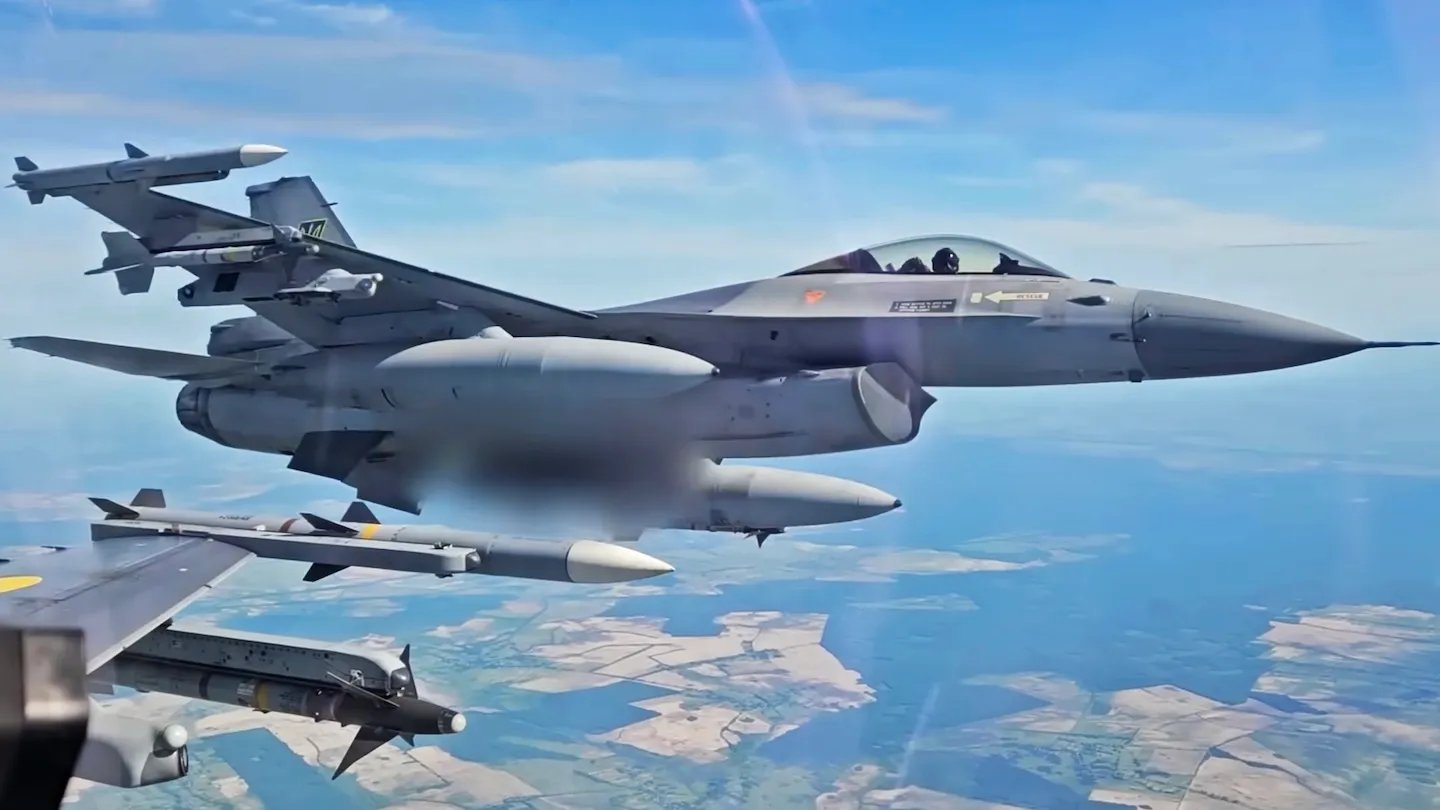
According to the three sources, the Sidewinder shortfall was plugged in December when additional missiles were received from undisclosed partners. These reportedly arrived just in time to help defend against one of the largest Russian attacks of the winter.
A fourth source, also anonymous, told Reuters that Canada and Germany had supplied Kyiv with Sidewinders in recent months. Canada has confirmed it’s now delivering AIM-9M-8 missiles from Canadian Armed Forces stocks. “This new donation will complement the past donation of hundreds of Canadian AIM missiles and related components that are being used by Ukraine for its air defense,” Canada’s Department of National Defense said.
Interestingly, the timing of the apparent missile shortage also coincides with the appearance of another air-to-air weapon for the Ukrainian F-16.
In early December, TWZ reported on the appearance of laser-guided 70mm Advanced Precision Kill Weapon System II (APKWS II) rockets on Ukrainian F-16s. This was not an unexpected development, since these rockets would provide an extremely valuable, lower-cost option for engaging long-range kamikaze drones and subsonic cruise missiles. TWZ has been very closely tracking the evolution of the APKWS II in the air-to-air role, a capability U.S. Air Force F-16s began using in combat last year, as we were first to report.
What is believed to be the first known footage showing an F-16 fighter jet operated by the Ukrainian Air Force intercepting a Russian Shahed/Geran-type long-range OWA-UAV with the APKWS II low-cost, laser-guided anti-aircraft rockets.
Such rockets are carried in LAU-131 rocket… pic.twitter.com/JTsCsgQ7NP
Without a durable supply of Sidewinders, the APKWS II would have been an even more useful weapon for the Ukrainian Air Force, although there’s nothing to suggest, at this point, that the laser-guided rockets were hurried to Ukraine to make up for the AIM-9 shortfall.
It’s also not clear to what degree the reported Sidewinder shortage was connected with the new system by which the United States supplies Ukraine with weapons.
President Donald Trump introduced the Prioritized Ukraine Requirements List (PURL) system, replacing the direct military aid sent under the Biden administration.
Under PURL, weapons are sold by the United States to NATO allies, which then deliver them to Ukraine.
One of the sources also mentioned a shortage of another U.S.-made missile type, the RIM-7 Sea Sparrow. These missiles have been adapted for use with modified Soviet-era air defense systems.
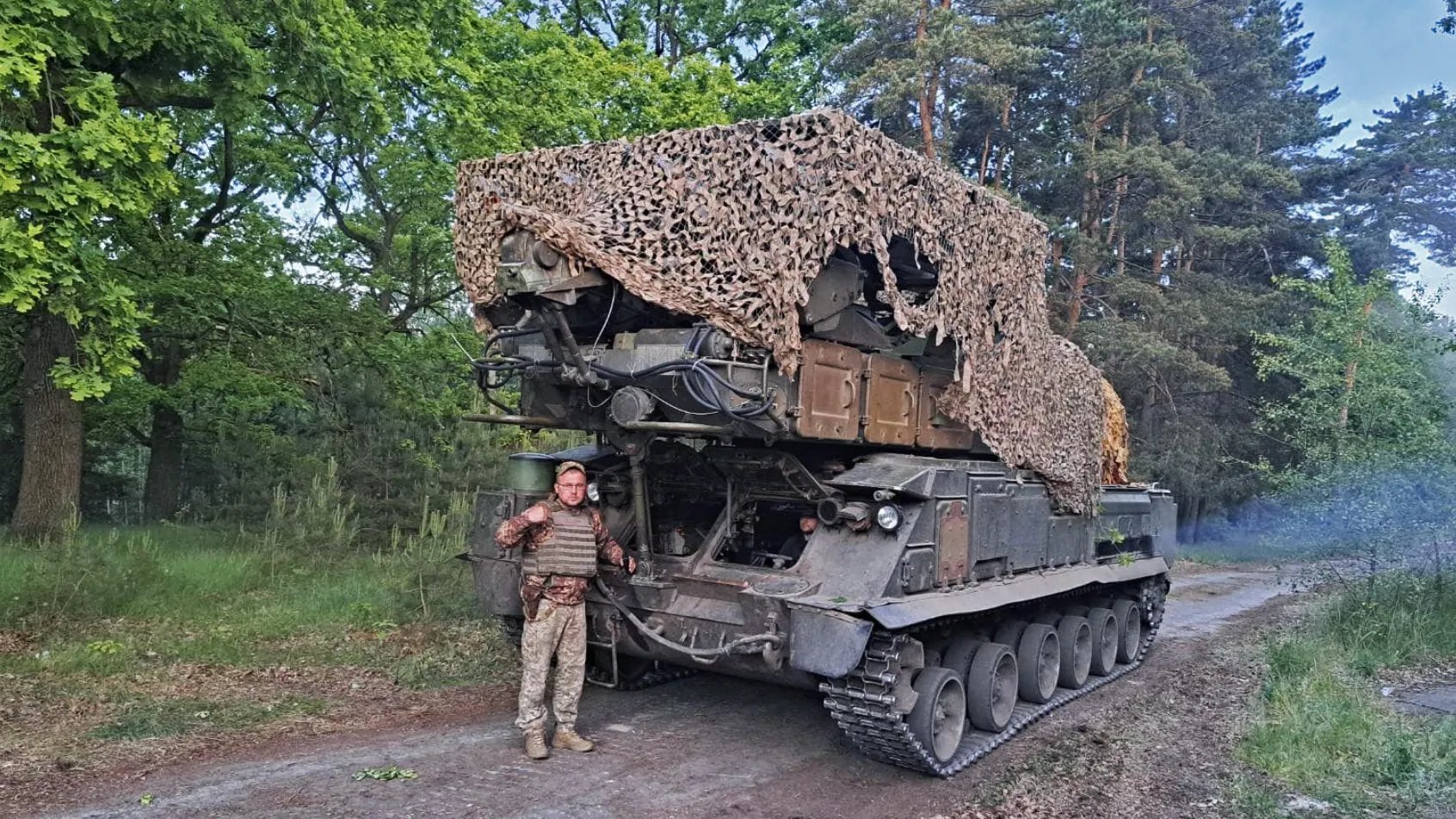
In the case of the AIM-9L/M and RIM-7, one likely factor in the shortages is the simple fact that these are older weapons, production of which has now ceased, meaning that there is only a finite number available. Surplus stocks have likely been whittled down to a point where remaining users are more cautious about giving them up. At the same time, the individual rounds are aging and also expiring.
Regardless of weapons supplies, the Ukrainian Air Force says it has made good use of its F-16s in the fight against Russian drones and cruise missiles.
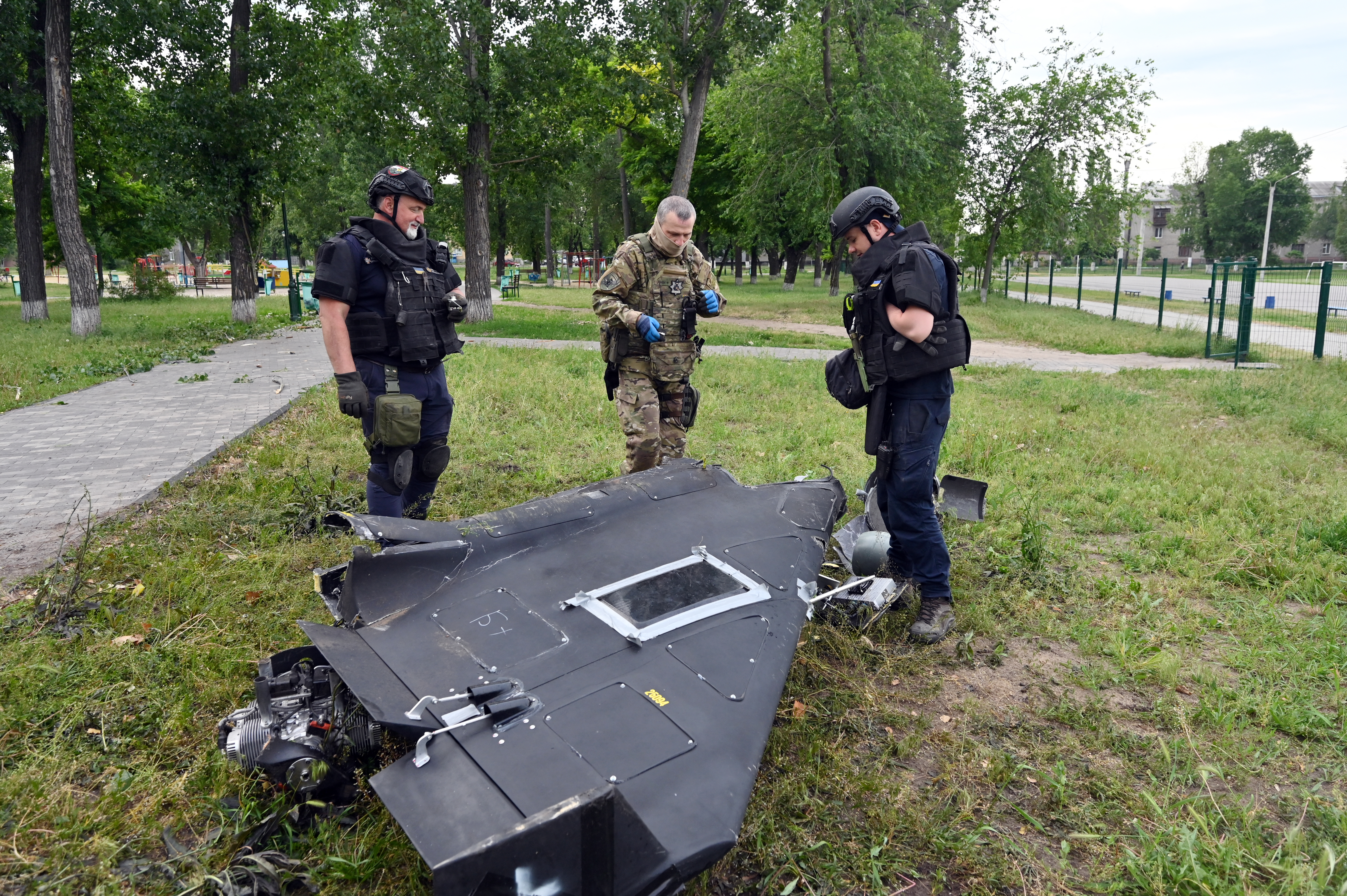
As of the beginning of this year, the Ukrainian Air Force said its F-16s had destroyed “more than a thousand” aerial targets, including Shahed-type long-range one-way attack drones.
The Ukrainian Air Force flew its first F-16 combat sorties against aerial targets in August of 2024.
According to one Ukrainian F-16 pilot, on one occasion, one of his squadrons destroyed six cruise missiles and seven attack drones in a single sortie. This is a remarkable tally, by any measure, and would have required extremely precise use of the gun, even if all available missiles were successfully expended.
With Russia continuing to bombard Ukraine, any potential holdup in the delivery of critical air-defense effectors is a significant problem. Since the start of Russia’s full-scale invasion, Ukraine has been desperately seeking additional air defense assets, particularly those of Western manufacture.
Currently, there is no end in sight for the conflict in Ukraine, which means the demand for air-defense effectors, including Sidewinders, will continue.
But now, with an expanding war in the Middle East centered on Iran, which is hitting back with its own drone and missile attacks, the competition for effectors also looks set to intensify.
This is also being felt by Ukraine as it seeks to secure critical missiles for its Patriot air defense systems.
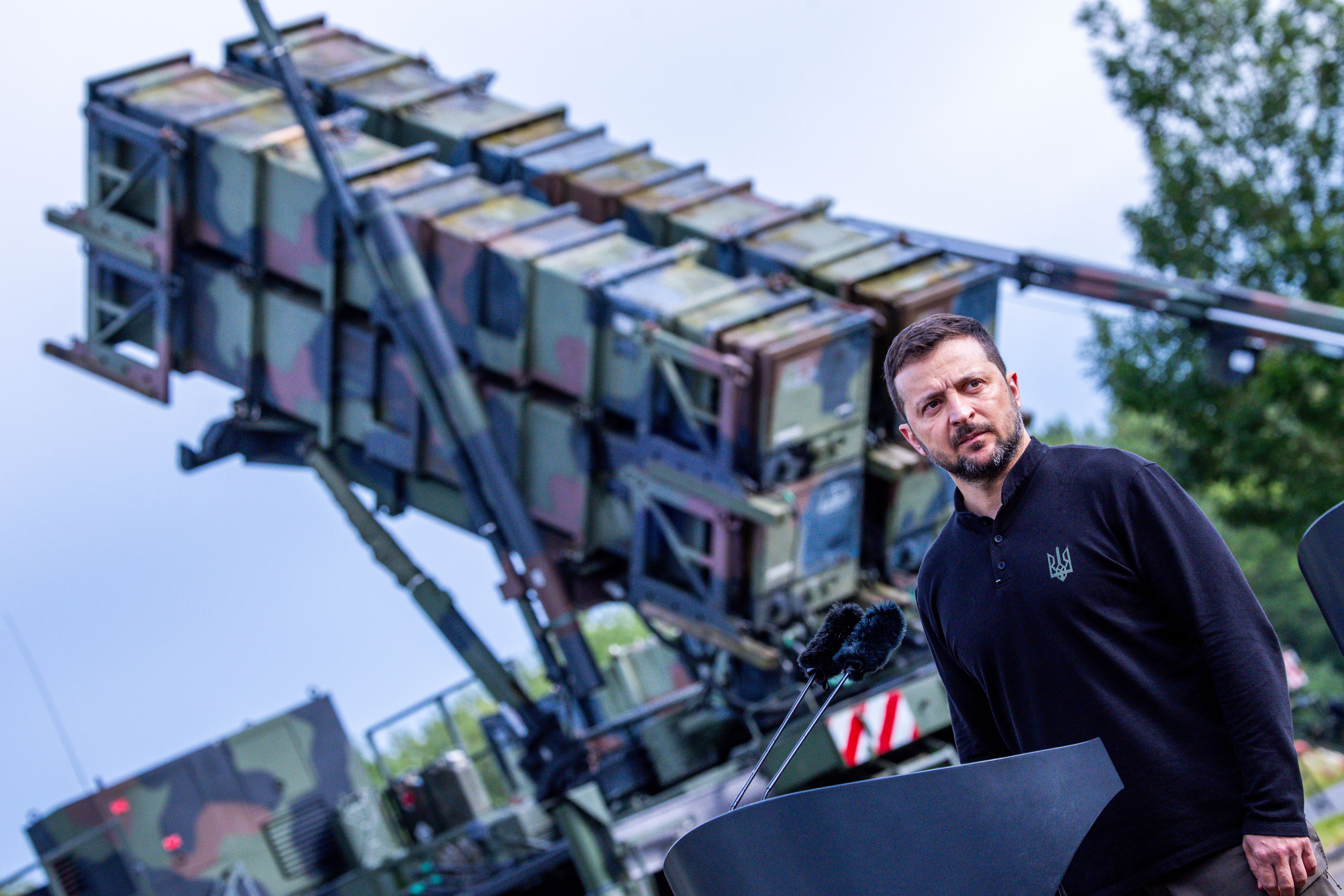
Even before the conflict in Iran, bottlenecks in the production of the U.S.-made Patriot meant that Ukraine’s stockpiles were drained and its European allies were on waiting lists for future deliveries. The Ukrainian shortfalls have made it easier for Russia to find gaps in Ukraine’s air defenses, something that has been felt especially heavily by Ukrainian cities and energy infrastructure.
According to some analysts, Gulf states possess only days of interceptors if Iran maintains a sustained level of drone and missile attacks. Yesterday, Gen. Dan Caine, the chairman of the Joint Chiefs of Staff, said that Iran had fired more than 500 ballistic missiles and 2,000 drones since the start of the campaign. He said that the U.S. has sufficient munitions for the Iran operation.
While Ukraine may have plugged its Sidewinder gap for now, the apparent shortage late last year underscores the vulnerability of the country’s air defenses and its continued reliability on Western allies. With many of these allies now looking at the potential demands of a sustained conflict in the Middle East, growing pressure on air-defense effectors could well see Russia emerge as one of the big beneficiaries.
Contact the author: thomas@thewarzone.com

In the temporarily occupied Crimea, a large power substation was likely hit during a nighttime UAV attack, with a fire reported on its territory.

Russian troops attacked the Central district of Kherson overnight on March 6, damaging buildings.

Over the past day, Russian troops attacked the regional center and 10 other settlements in the Kharkiv region, damaging railway infrastructure in two districts, an agricultural enterprise, and power grids.

The Russians have taken about two dozen residents of the border village of Sopych in Sumy Oblast to Russia, a local media outlet has reported.