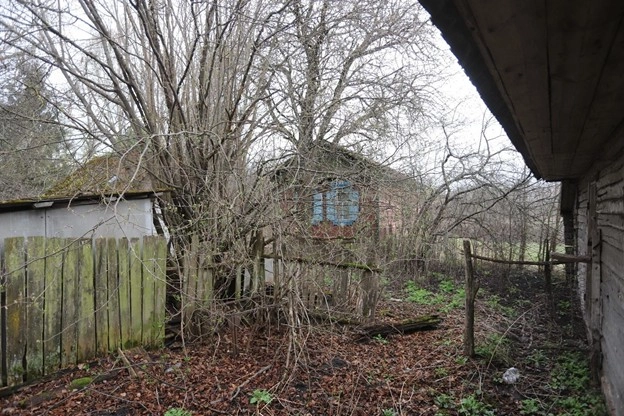
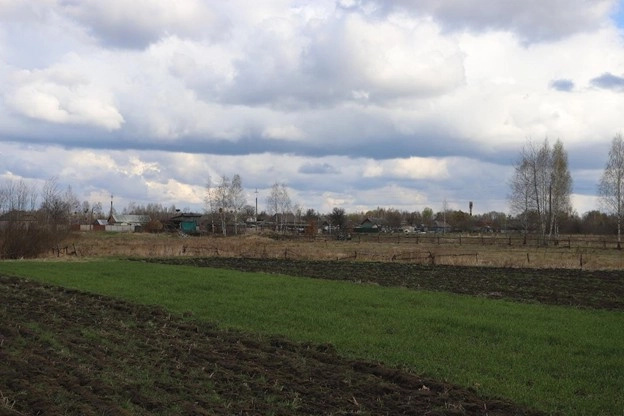
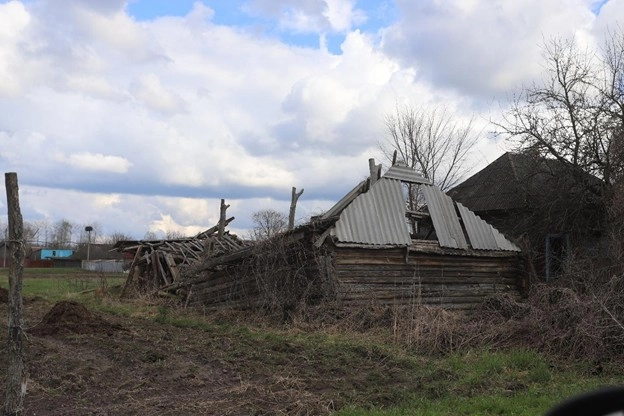
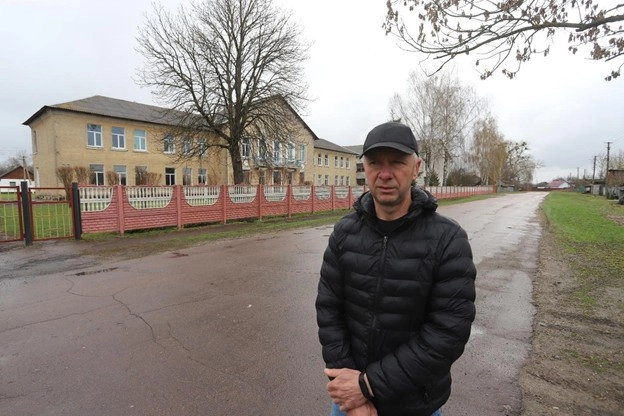
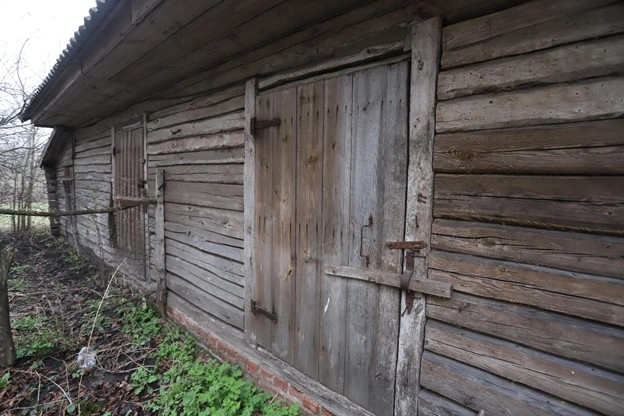
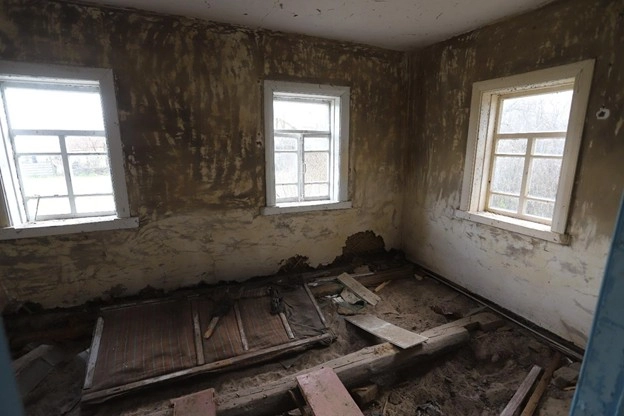
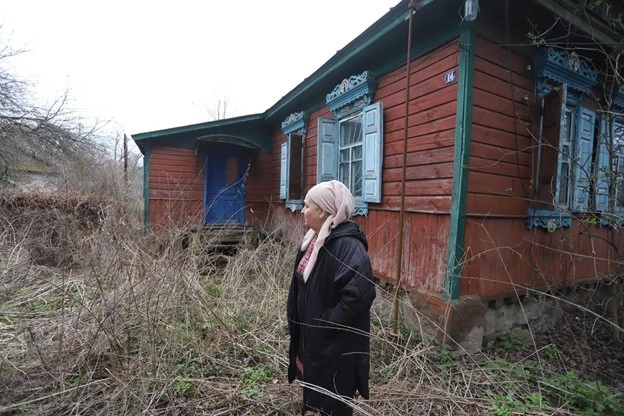
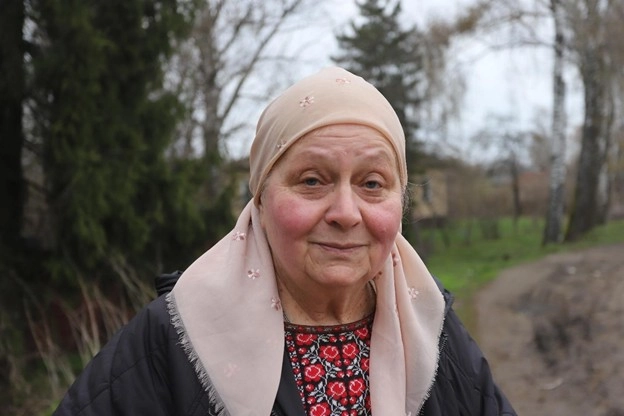
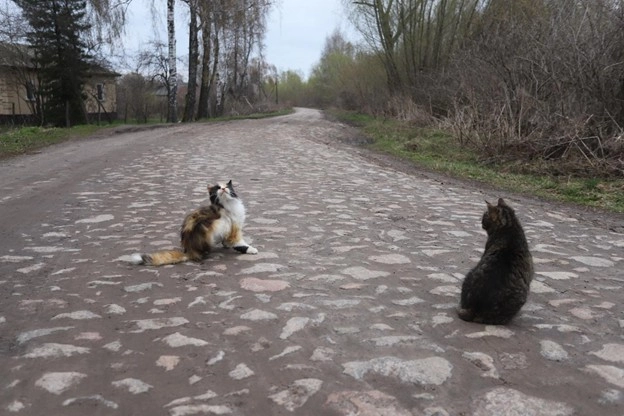
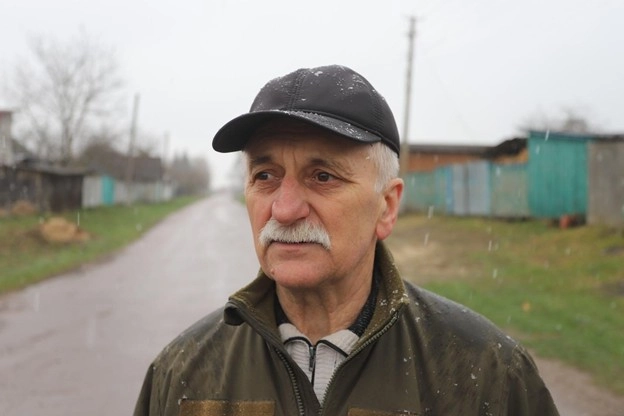
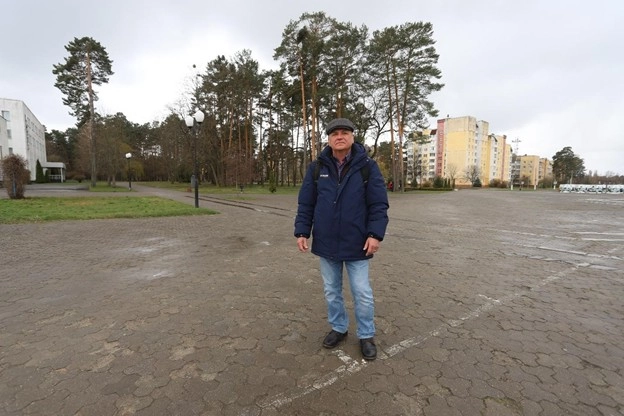
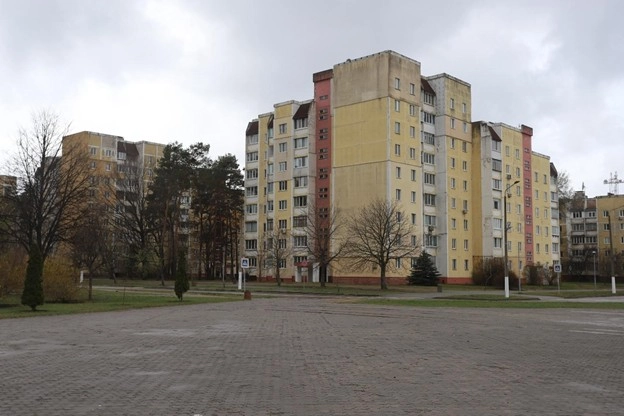
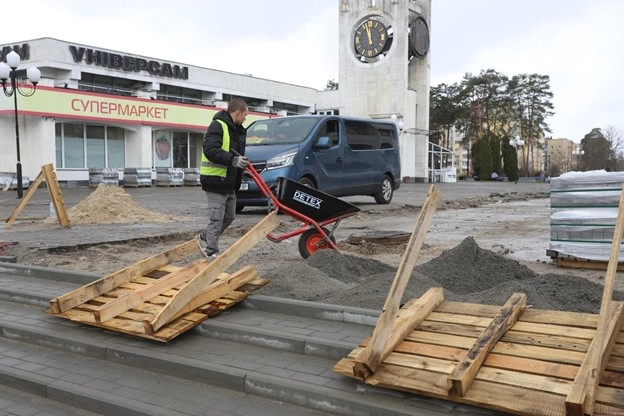
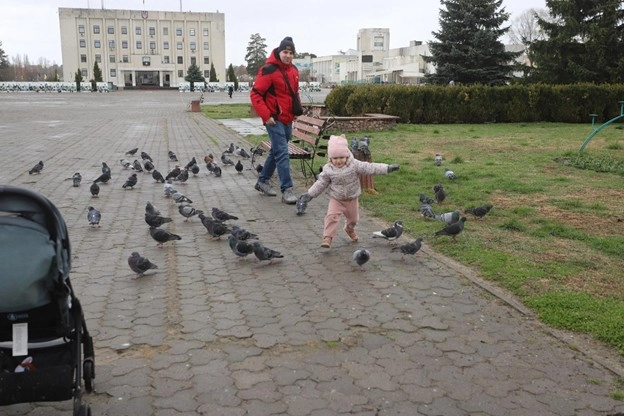
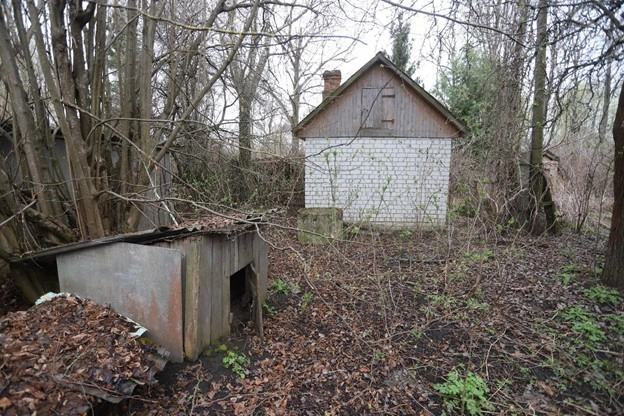
What do you see in this photo?
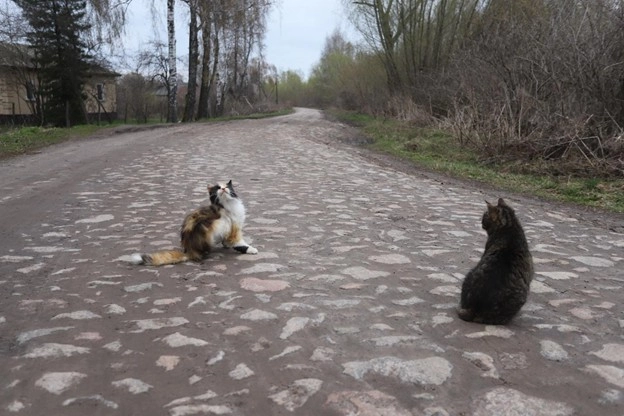
At first glance, it may seem to be made in the heart of the Chornobyl Exclusion Zone – among abandoned yards, overgrown houses.
JOIN US ON TELEGRAM
Follow our coverage of the war on the @Kyivpost_official.
Kyiv Post visited villages and towns affected by the Chornobyl nuclear disaster. Though many lay beyond the evacuated 30-km exclusion zone, life there has never fully recovered since 1986.

What do you see in this photo?
At first glance, it may seem to be made in the heart of the Chornobyl Exclusion Zone – among abandoned yards, overgrown houses.
Follow our coverage of the war on the @Kyivpost_official.
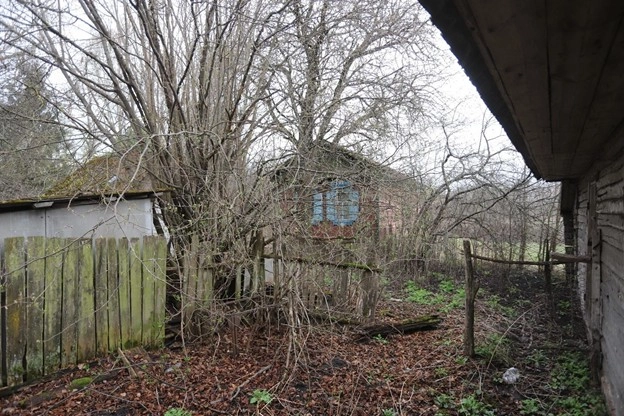
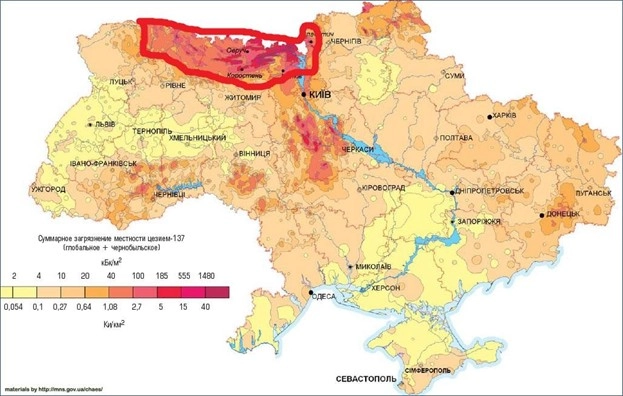
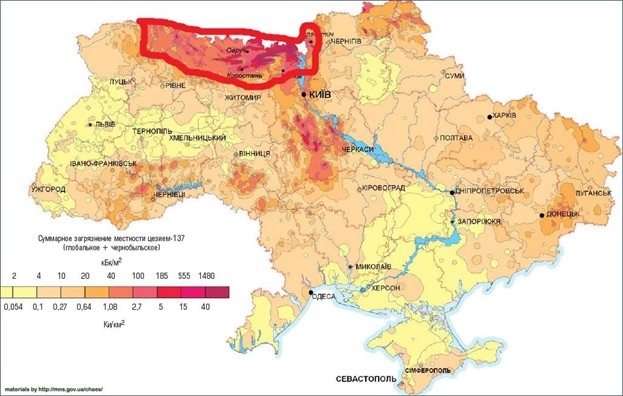
This is both true and untrue. Many know about the 30-kilometer (19-mile) exclusion zone around the Chornobyl Nuclear Power Plant (NPP) itself. But few know about the other one – the so-called third zone. Forty years after the 1986 catastrophe, it still exists.
It includes hundreds of settlements that were also affected by radiation, and their residents also suffered from the consequences of the nuclear disaster. At some point, there were plans to resettle people from there, but those plans were reconsidered. Economic life was gradually wound down, and the residents were left to face the consequences alone.
This vast territory includes areas near the 30-kilometer exclusion zone in the Kyiv, Zhytomyr, Rivne and Chernihiv regions.
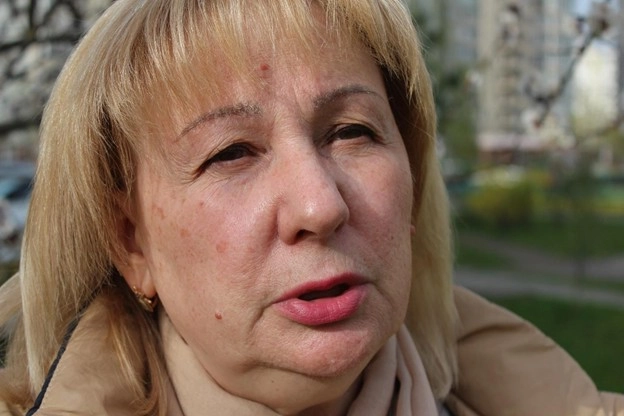
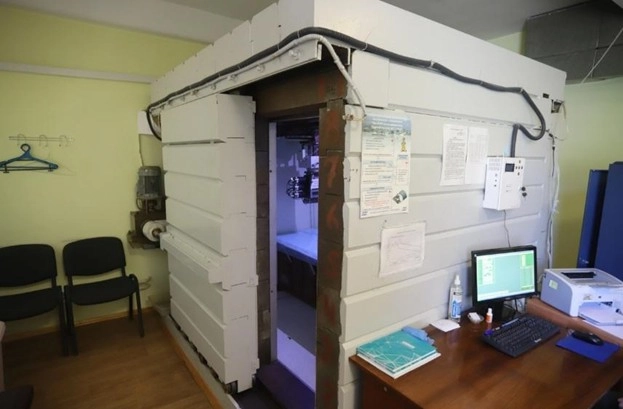
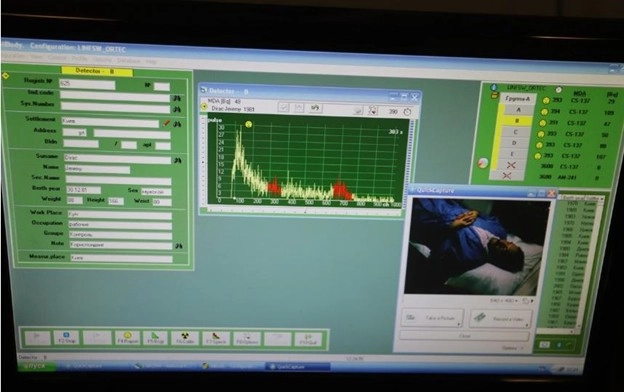
Scientists study the level of radioactive contamination there and monitor the condition of local residents. Doctor Valentyna Vasylenko is one of them.
“Over the years, a database of approximately 1.5 million measurements has been accumulated… I have visited all 12 regions of Ukraine, in radioactive territories,” Vasylenko told Kyiv Post.
“Currently, we have 841 settlements in the third zone… The population in these settlements decreases from one visit to the next. Life continues there, but the population is declining,” she added.
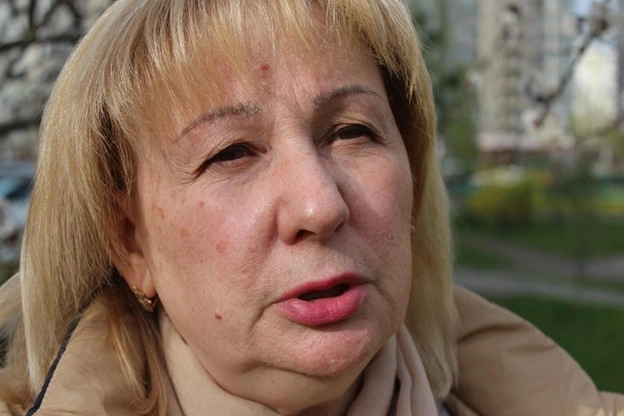
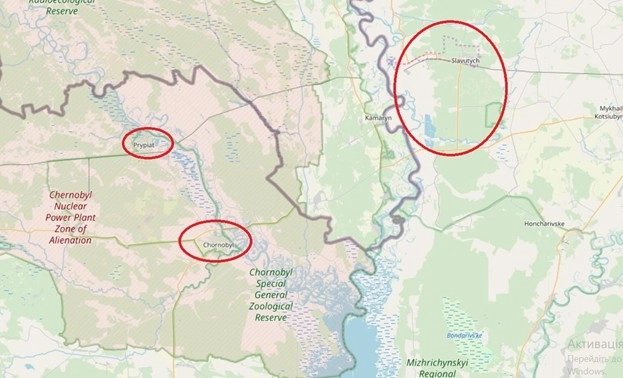
Kyiv Post visited the other bank of the Dnipro River, directly opposite the exclusion zone.
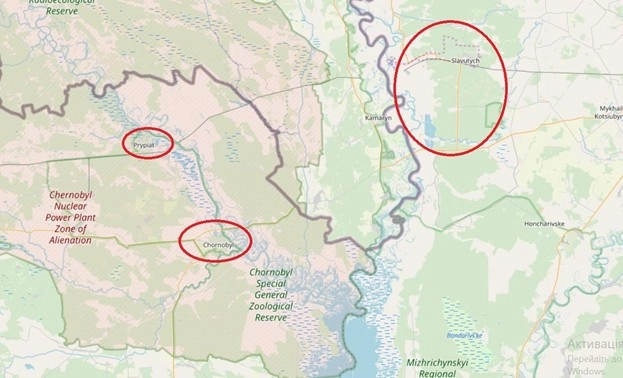
In the Chernihiv region, there are villages where not only those who had relatives in Pripyat and Chornobyl live, but also the resettled population from affected territories, workers at the Chornobyl NPP, and liquidators of the incident.
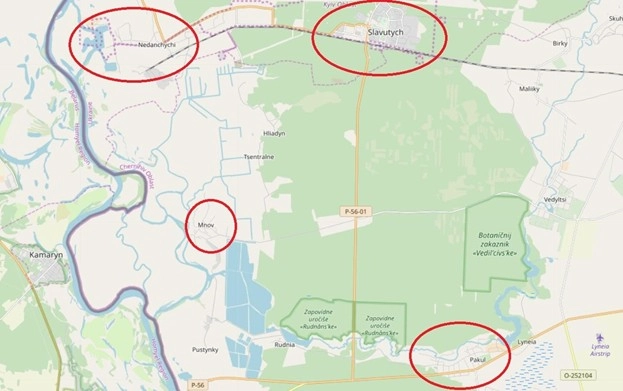
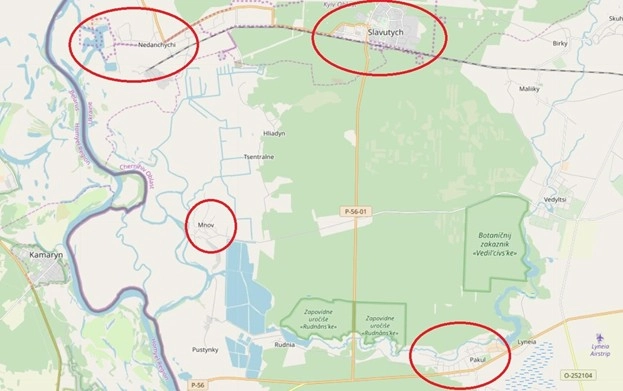
Here lies the village of Nedanchychi, located right on the border with Belarus; from here to the Belarusian border is just one kilometer (0.6 miles), where the official exclusion zone lies.
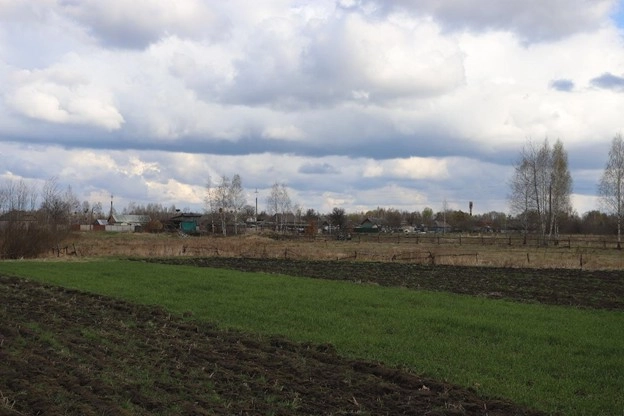
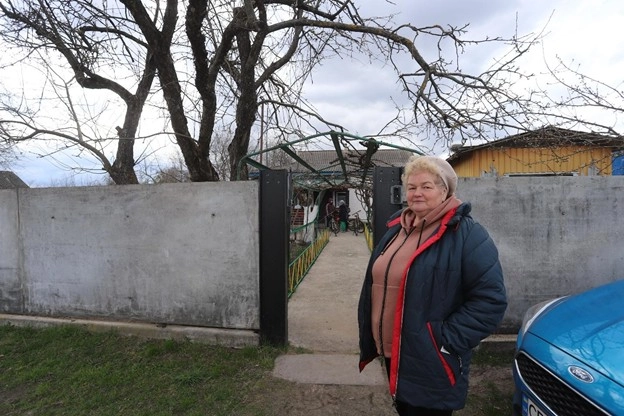
The places here are incredibly beautiful; life here was once like a fairy tale, former district council deputy Tetiana Hrybovska said.
“We had a very large village, we had a railway junction, at that time, in 1986, we had good connections with Chernihiv and Pripyat, a train to Moscow ran without transfers,” Hrybovska said. “There were many people in the village, and the Kotsiubynskyi state farm operated. People kept livestock and cultivated a lot of land.”
When the nuclear disaster happened, many locals were oblivious to it, she said.
“In the first days after the accident, we noticed nothing and knew nothing. It happened from Friday to Saturday, or from Thursday to Friday… On Saturday, people from Pripyat started arriving en masse. There were many young people, young families,” Hrybovska said.
“My brother arrived and said, ‘Have you heard about the accident?’ ‘Yes,’ we said. We heard. He quickly left Pripyat, taking nothing with him except a large, beautiful retro radio receiver,” she added.
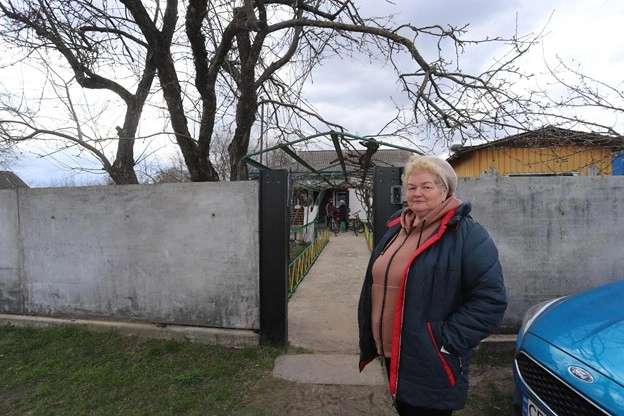
The village, she said, was supposed to be resettled. And at first, residents did leave. But soon they returned – despite the potential danger.
“We were informed somewhere in June-July that our village was to be resettled. All documents were prepared, and instructions were given to the woman who worked in the village council – it is true, they told her to lower the radiation indicators,” Tetiana said.
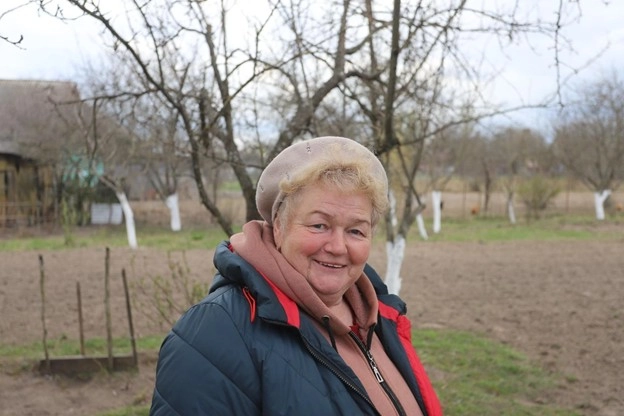
Over time, it became clear that the radiation contamination was lower than expected. To this day, the village remains in the third zone – a zone of voluntary resettlement. No one wanted to leave their native land, but everyone still feels the consequences through oncological and cardiovascular diseases. Many people died, and a lot of houses were abandoned and destroyed.
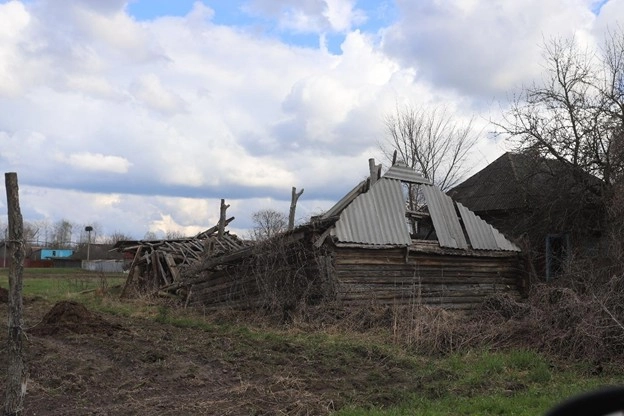
“About a thousand people live here. But only 70 remain who remember, who were adults or at least children in 1986. Others have passed away; we have many young people, many young families, but recently many of those who remember 1986 are dying,” said Hrybovska.
Almost all locals complain about their health. The neighboring village of Mniov, located right on the bank of the Dnipro River, once had 2,000 residents.
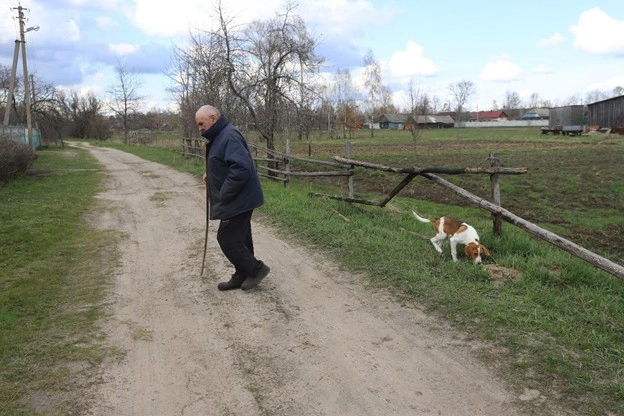
Now it is three times fewer. Former school principal Olha Hetta says the demographic catastrophe has become a sentence for these settlements.
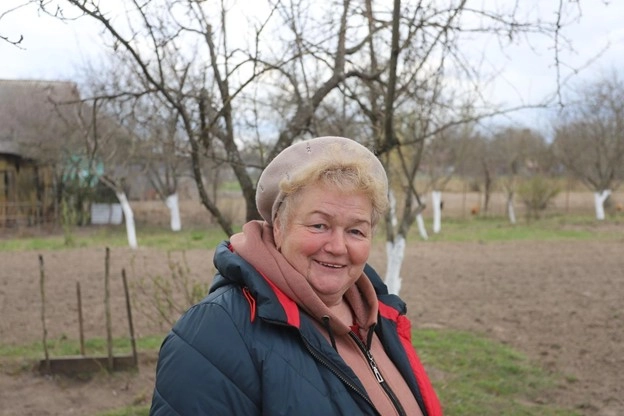
“The third zone – nothing was prohibited. Parents who were already elderly tried to take their children away, because many children were registered at the Kyiv Radiological Center. There are people here whose thyroid glands were removed because they did not function,” Hetta told Kyiv Post.
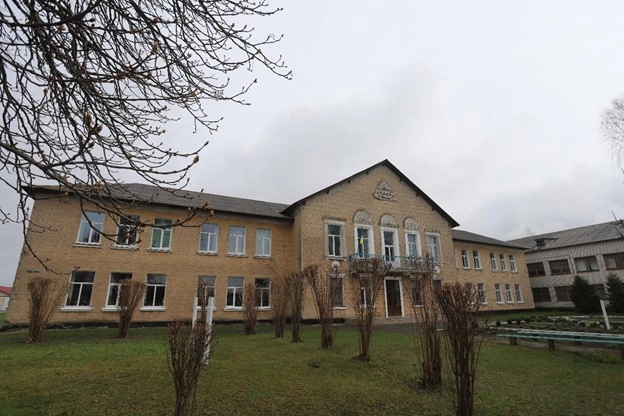
“Many people are on hormones, and how many have died! Now, together with summer residents and newcomers, we have about 700 people, but back then we had 2,000. When the school was built in 1982, and I became its principal, we had more than 600 students; now there are 23 or 24,” she continued.
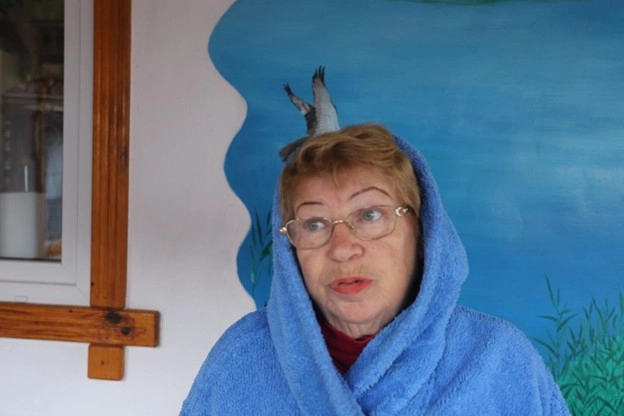
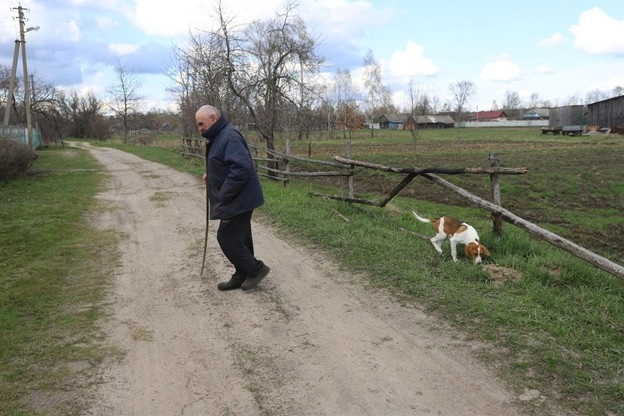
“People have problems with their legs. We think this is due to radionuclides – cesium and strontium settled in the bones. And their legs hurt. And people’s gait has changed – they walk with sticks, hunched over. You cannot recognize the village as it once was,” Hetta added.
And even the schools that are still operating are struggling to survive. The largest school in the area, in the neighboring village of Pakul, currently has several dozen students, while there used to be several hundred.
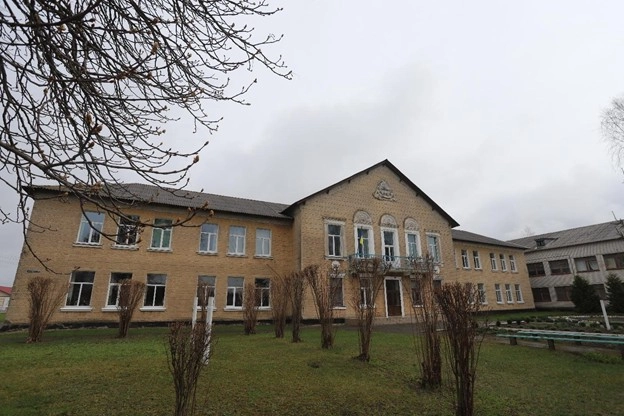
“Total number of children now is 55. In our Pakul administrative district. We transport children from hamlets, like Lyneia and Rudnia. I have been here since 1996, and back then, there were more than 170 children, and every year the birth rate declines,” said Oleh Datsiuk, director of Pakul secondary school.
“The school from the village of Dniprovske might merge with us – there are 30 children there, maybe we will last a couple of years. The decline is very significant! Mortality is high, and the birth rate is extremely low. Mortality… many people die from cancer. Young people mostly leave; those who remain have few jobs,” he added.
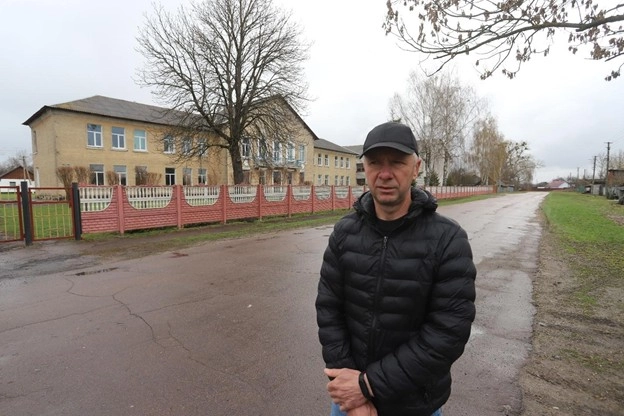
And this is the second problem – because these settlements ended up in the “third zone,” residents were supposed to relocate voluntarily. But economic activity there was gradually curtailed. The territory is close to the exclusion zone, where radiation is present, so over time, old enterprises were closed, and new ones were not created.
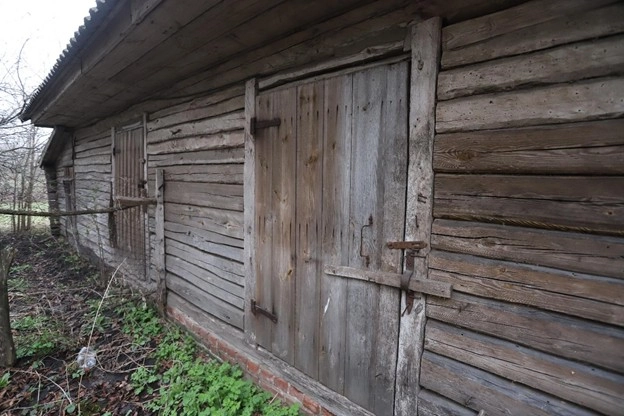
“In 1989, our state farm was transferred as a subsidiary of the Chornobyl Nuclear Power Plant, and everyone hoped that the city of Slavutych would be supplied with our products, because the city stands on our land,” Hrybovska told Kyiv Post.
“But very little time had passed, and the plant’s management said the products were not needed. At the same time, eggs and milk were being brought from Crimea… Now there is real poverty,” she continued.
“I believe we have no support from the state. One and a half kilometers away is Belarus. We cannot organize anything here, because there is a border nearby, and beyond that, forests stretch toward Chernihiv,” she added.
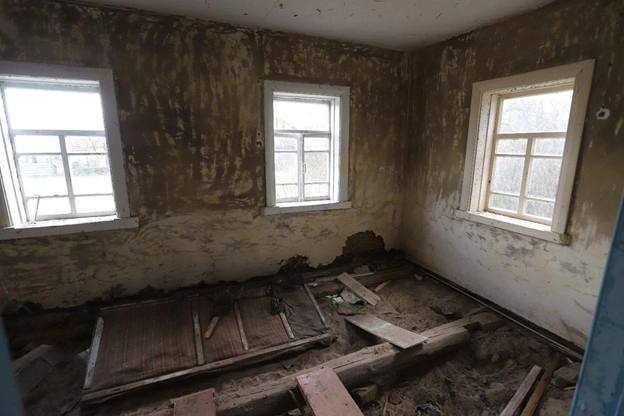
The economic and demographic catastrophe also had a ripple effect, affecting villages in more distant areas that were not in the third zone and did not register radioactive contamination. For example, the village of Velyka Vis, located far from the exclusion zone and Chornobyl, is also emptying out.
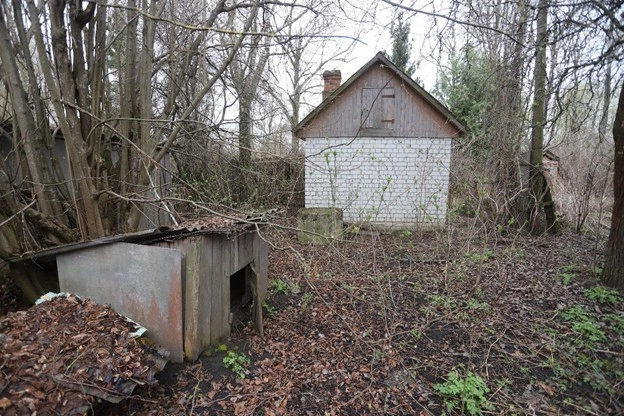
Yuliia Yarosh is one of its last residents. We are talking in the yard of her neighbors, who passed away a long time ago. Now, this is what their house looks like.
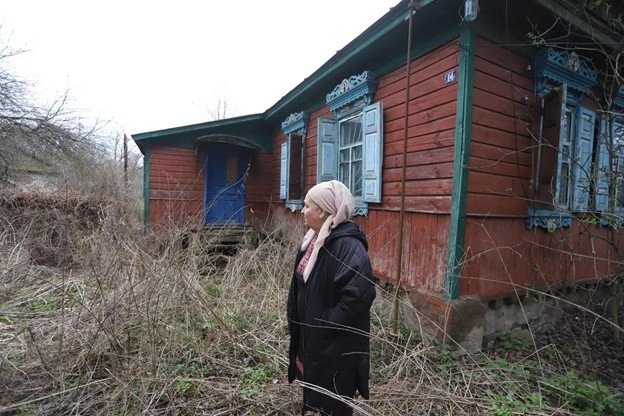
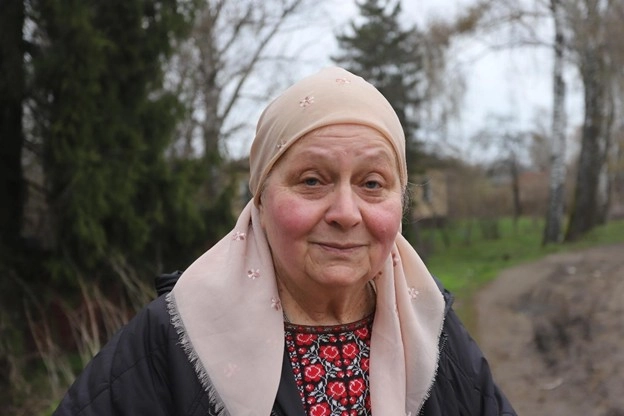
“It used to be a very large village; if earlier there were 1,000 people, now about a hundred remain. People have long been leaving. There is no shop, no post office, no medical point, and buses do not run. People leave. They do not want to stay,” Yarosh said.
For this village, the Chornobyl plant, located nearly a hundred kilometers away, became a real sentence. Not directly, but indirectly.
“At that time, there was massive resettlement, even relatives often did not accept those from the zone, because they were afraid of being ‘infected.’ People did not leave directly from the village much, but they moved to cities,” Yarosh said.
“One neighbor died because of another… He had been fishing near the Chornobyl NPP and received a large dose of radiation. He did not know it, you cannot see it immediately, and he irradiated another neighbor, who also died,” she added.
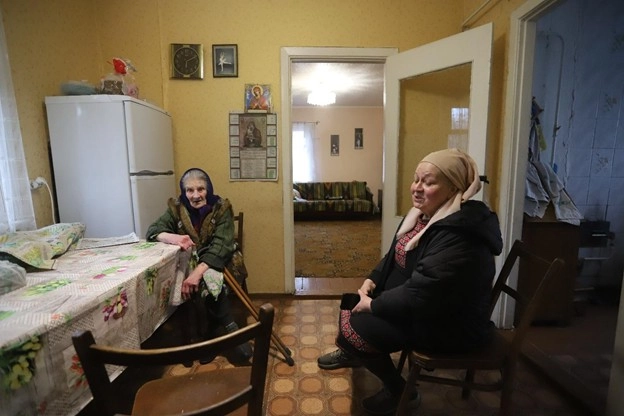
Only pensioners remain in the village now. Yuliia often visits one such neighbor, Tetiana. She remembers April 26, 1986 – the day of the accident – almost hour by hour, even though 40 years have passed.
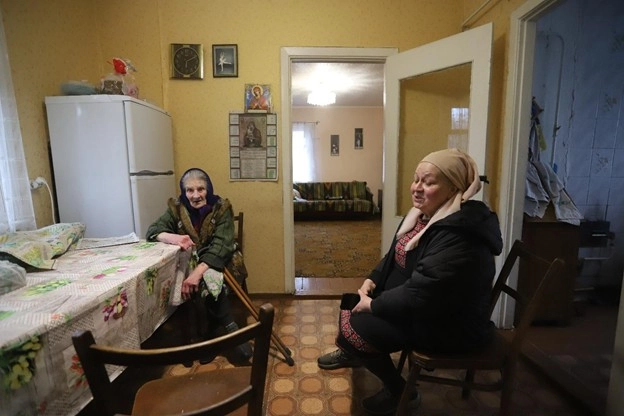
“When Chornobyl exploded, everyone was working in the field, and there was terrible dust. It was during the day. We were weeding beets,” Tetiana Litosh said.
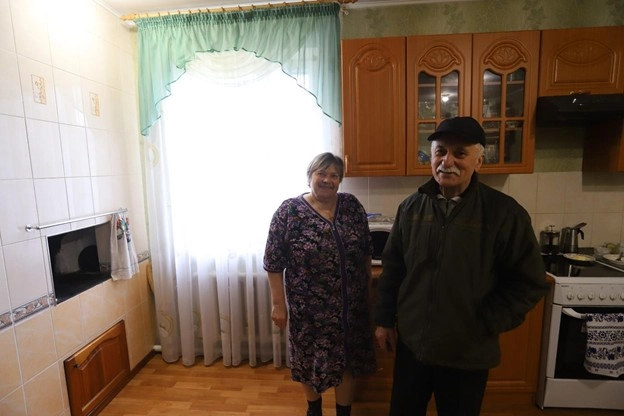
However, the third zone is not only about problems. It is also about stories of survival, courage, and resilience. Volodymyr Yakubets, a resident of the village of Pakul, maintains his home, family, and farm despite the crisis around him.
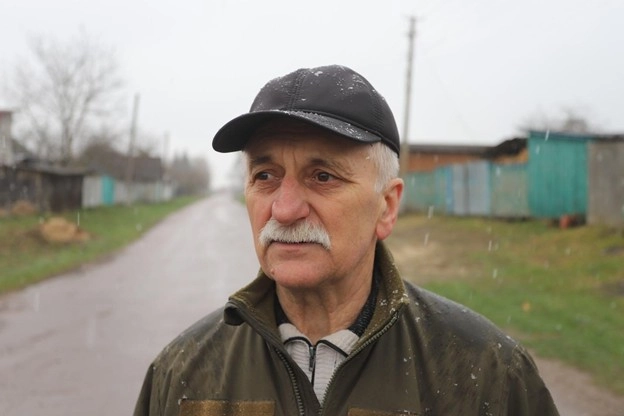
“I was born in 1957 and have lived in Pakul ever since… I finished school, a cultural-education college, worked here, and when the tragedy happened in 1986, and the city of Slavutych began to be built, my wife and I went to work there.” Yakubets said.
“We worked with Armenians, building the Yerevan quarter. Wonderful people, lots of barbecues, it was great. When construction ended, a mill was built in Pakul, where I worked for a long time, and I stayed here in retirement,” he added.
Everything appeared to be normal in 1986 – until it wasn’t.
“It was a quiet life, in spring. No one felt anything. We did not hear about the accident right away. Maybe on the third day, like everyone else… but it was presented as just an accident, as if nothing serious. Then people began to feel it in their health… people started getting sick a lot,” Yakubets continued.
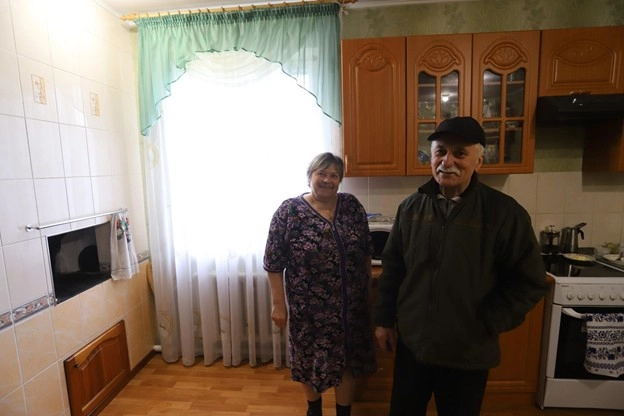
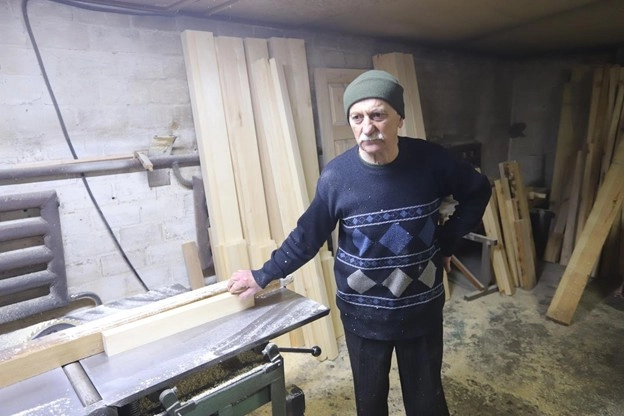
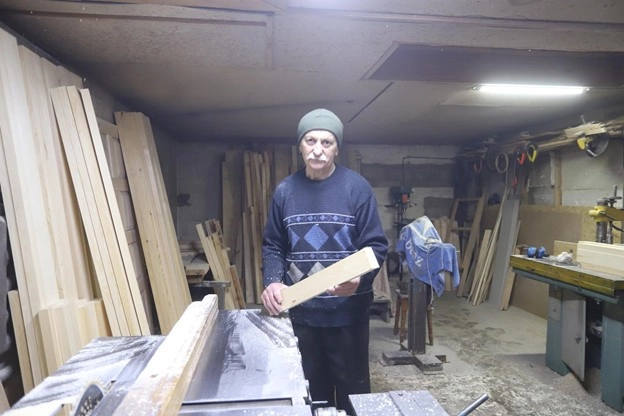
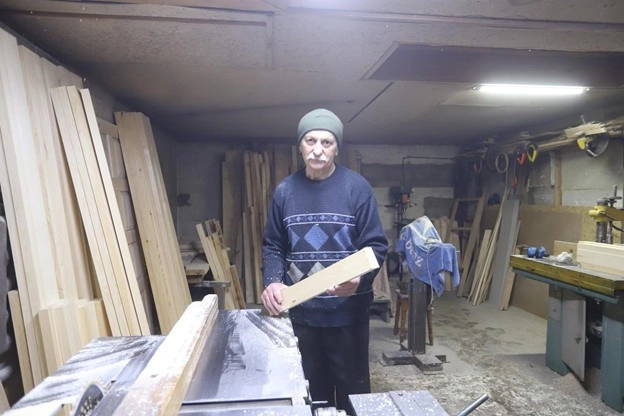
Despite his fears and difficulties, he did not leave his native village, and the nearby forests inspired his hobby – woodworking. He helps fellow villagers and supports those who have lost hope.
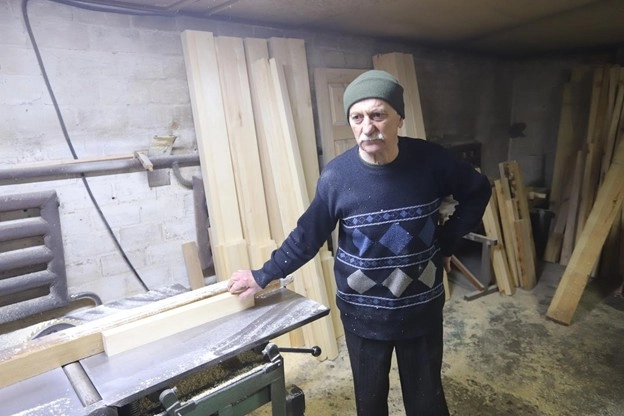
“When Slavutych started being built, and afterward, I continued working there, and now I work for myself, I made my own machines, helped some people a bit, made all the doors and windows for myself as well,” Yakubets said.
In addition, the nearby city of Slavutych has become a source of support for many locals. It is the youngest city in Ukraine – many people from Pripyat were relocated here, and nearly 2,000 of its residents still work at the Chornobyl nuclear plant.
Serhiy Krasikov, who worked at the plant for almost 40 years, is one of them.
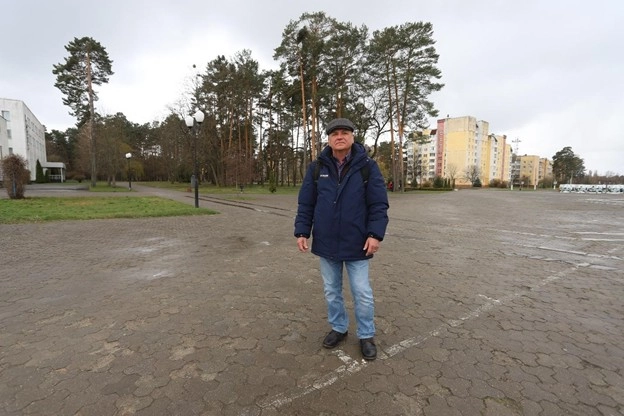
“I have been in Slavutych since 1989, when I transferred from a contracting organization to the management of the Chornobyl NPP. I received an apartment, got married, and in 1992, my son was born here, and in 2000, my daughter was born,” Krasikov said. “My son has been defending Ukraine since 2022, now in his fifth year.”
Krasikov said he moved to another department in 2003.
“I transferred to the plant’s turbine workshop in 1989 as a pump operator. I worked at the third power unit until 2003. When Unit 3 was shut down in 2000… I was used to the hum of the power unit, the turbines… it was exhilarating, I went to work with pleasure, but in 2000, when there was this, excuse me, dead silence, it pressed on me, so in 2003 I moved to the department of construction of the New Safe Confinement, where I still work,” Krasikov said.
The city was built in a short time in the late 1980s, with each district designed based on individual projects.
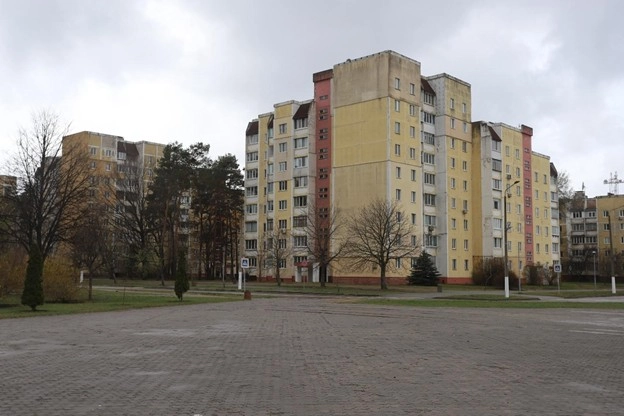
The city’s residents are generally young and have a decent income, and even during the war, construction continues, as do street improvements toward inclusivity – projects of the city council in partnership with the UN.
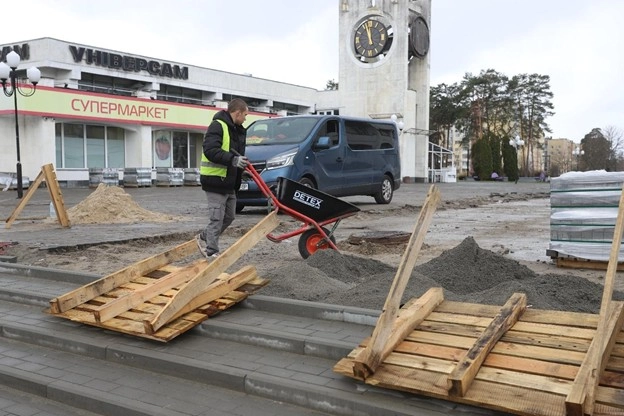
“When a nuclear power plant is built, there must be a satellite city nearby where the plant’s workers live. That is how Slavutych was built. It is the youngest city; all Soviet republics built it, each its own district – Polissia, Tallinn, Tbilisi, Baku, Chernihiv… Everyone who comes to visit colleagues or friends is proud… of the beauty of the buildings and streets,” Krasikov said.
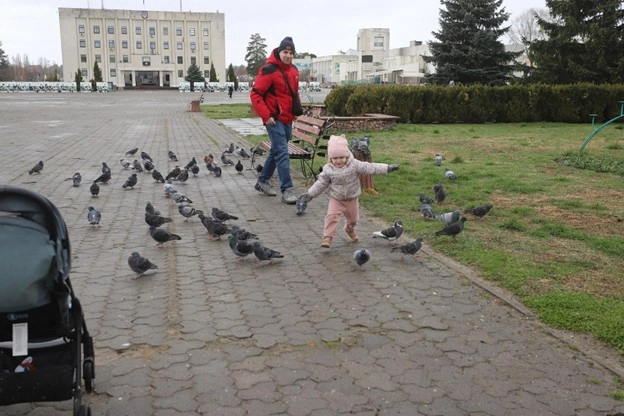
“There is no public minibus service in Slavutych, but taxis are available. The city can be crossed in 15 minutes; it is very compact. It used to have 25,000 residents, and due to the full-scale invasion, about 60% remain,” Krasikov added.
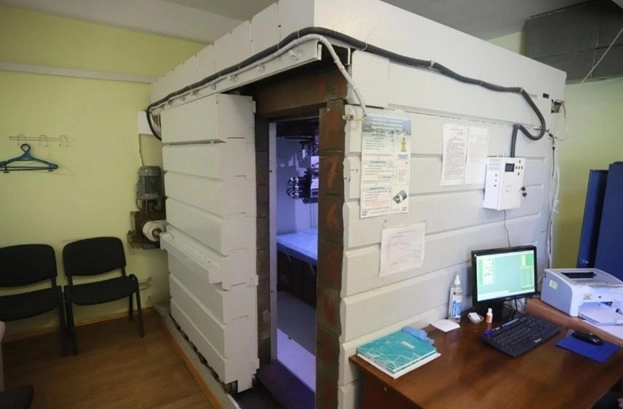
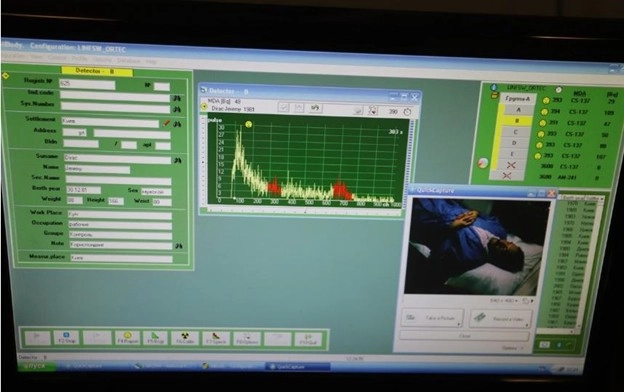
What is the future of the zone? Scientists constantly measure radionuclides in soil, leaves, water, and human bodies – in Kyiv, an entire dedicated research center is devoted to this.
Gradually, the level of radiation in this area is decreasing – according to Valentyna Vasylenko, this opens the possibility for reducing the zone and gradually reviving economic activity in these territories.
“Not many settlements may remain in the third zone; according to the results of the 2011-12 certification, only about 100 settlements could remain in this third zone – the others already have a better situation… Today, the zone is being reassessed again,” Vasylenko said.
And locals themselves said there are many opportunities for developing their settlements. Clean air, silence, remoteness from civilization, ecotourism, craft agriculture. The potential is definitely there.
“People buy houses that stand without owners, and pensioners live here. Many come from Chernihiv. There are apiaries, and grapes are grown. There is much that newcomers bring to us,” Yarosh said.
“[It would be possible] to renovate houses, settle large families there, even 10 such families would already be good, with 5-6 children each, even 10 children, and a medical point, a school, and a shop would open,” she added.
“If there were the will, everything could be done!”
You can find recap of this story here.

Iran has presented the U.S. with a new proposal to restore shipping in the Strait of Hormuz and end the war, while suggesting that negotiations on its nuclear program be postponed to a later stage.
U.S. President Donald Trump is holding "good conversations" with both Ukrainian President Volodymyr Zelenskyy and Russian leader Vladimir Putin in an effort to settle the ongoing war, the American leader said during a Fox News broadcast on April 26.

Russian forces struck Odesa with a massive drone attack overnight on April 27, the head of the city’s military administration, Serhiy Lysak, said.