The TWZ Newsletter
Weekly insights and analysis on the latest developments in military technology, strategy, and foreign policy.
The latest evolution of Ukraine’s rugged An-28 Cash turboprop counter-drone platform combines interceptor drones and Minigun armament. The post Ukraine’s Drone-Hunting An-28 Turboprop Is Now Launching Interceptor Drones appeared first on The War Zone.

The TWZ Newsletter
Weekly insights and analysis on the latest developments in military technology, strategy, and foreign policy.
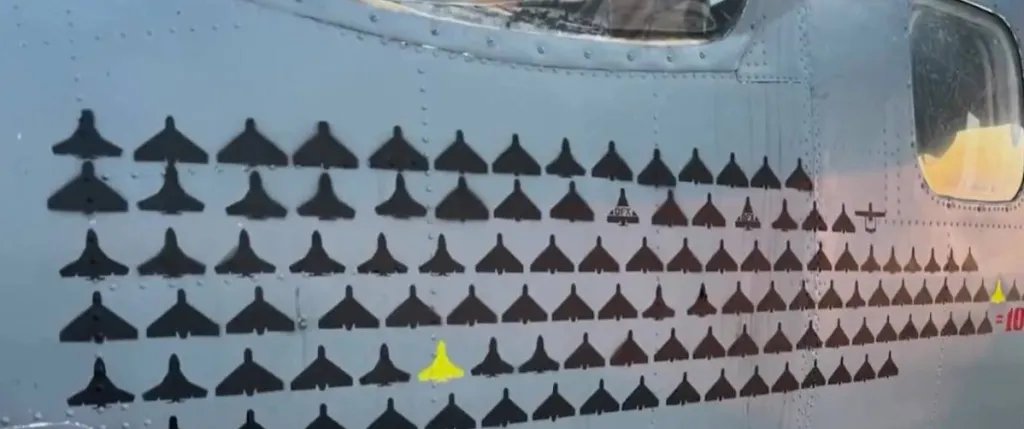
Ukraine’s Shahed-killing Antonov An-28 Cash twin-turboprop utility aircraft are now air-launching interceptor drones to provide another means of defeating their targets. This is among the latest developments in Ukraine’s battle against Russian long-range one-way attack drones, one that has seen each side introduce new technologies and countermeasures in what has become one of the fastest-moving aspects of the conflict.
⚡️The legendary civilian Ukrainian An-28, modified into a “Shahed hunter” with over 150 confirmed kills, has now been adapted to launch interceptor drones in flight. pic.twitter.com/aAv3by9gLA
— Special Kherson Cat 🐈🇺🇦 (@bayraktar_1love) April 23, 2026The video of the An-28 armed with interceptor drones was apparently first published by Ukrainian pilot and volunteer Tymur Fatkullin, who has previously documented other extemporized aviation initiatives, including using the six-barrel Gatling-type M134 Minigun to blast Russian drones out of the air.
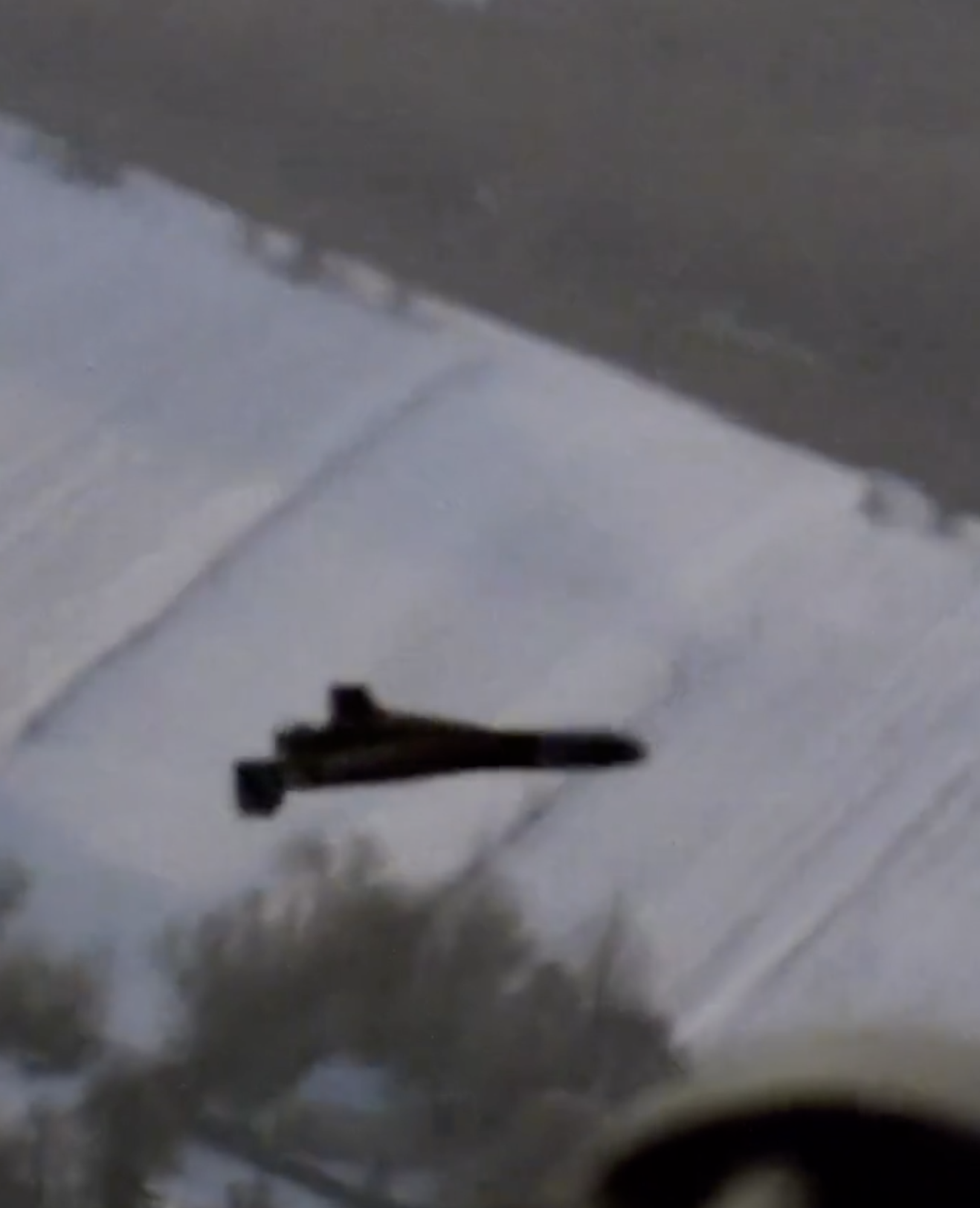
In this new iteration, the An-28 has underwing hardpoints mounting two types of Ukrainian-made interceptor drones, the SkyFall P1-Sun and the Merops AS-3 Surveyor. Earlier this month, we wrote about how the Merops drones have been effectively used by the U.S. military to counter Iranian Shahed attacks in the Middle East.
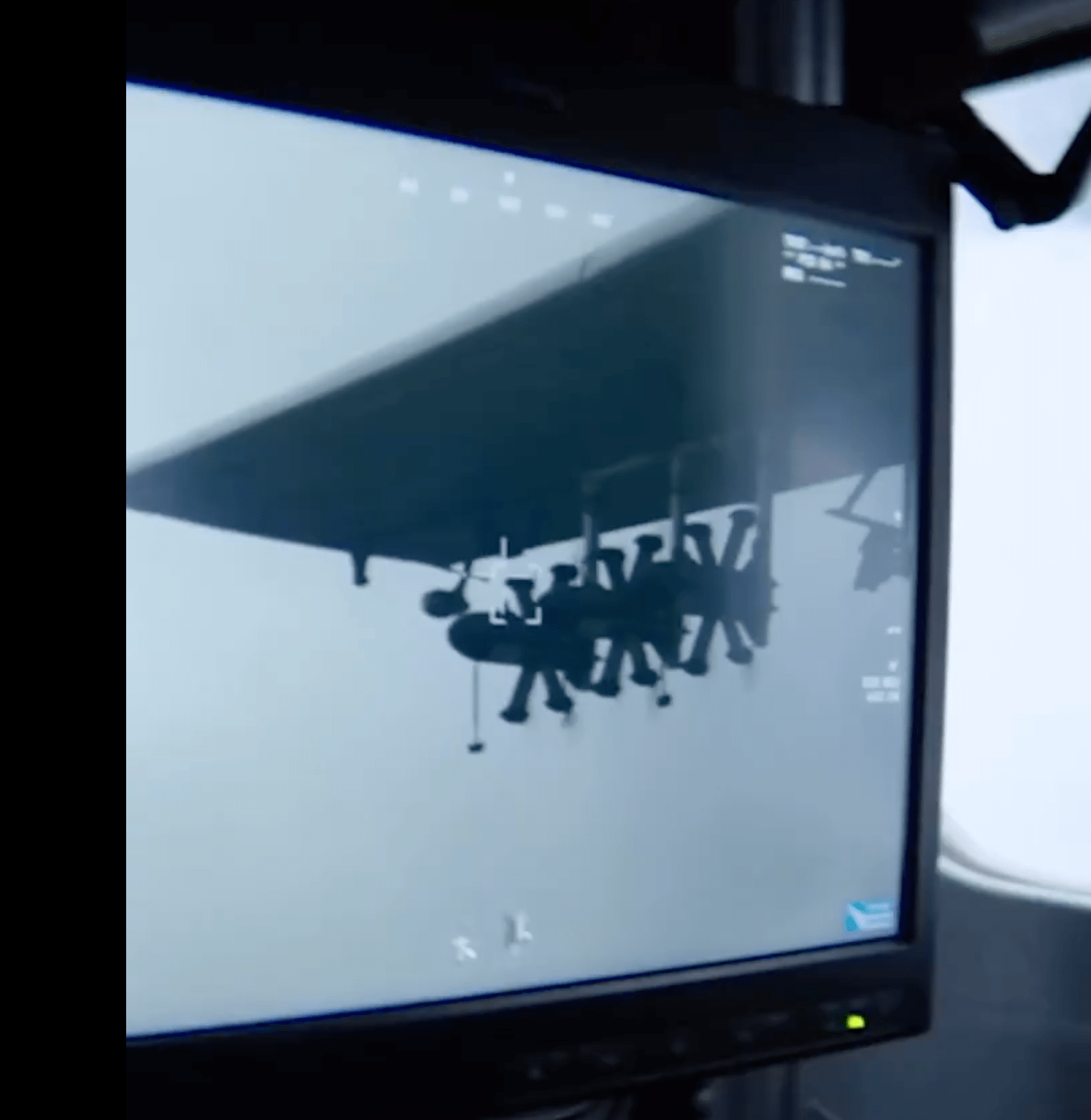
Alongside the video, Fatkullin provided the following account:
“Aircraft-launched P1-Sun interceptor against hostile Shaheds. This method has already proven effective in real combat conditions. We have also tested several other interceptor drones during training flights. You could call it a cheap air-to-air missile.”
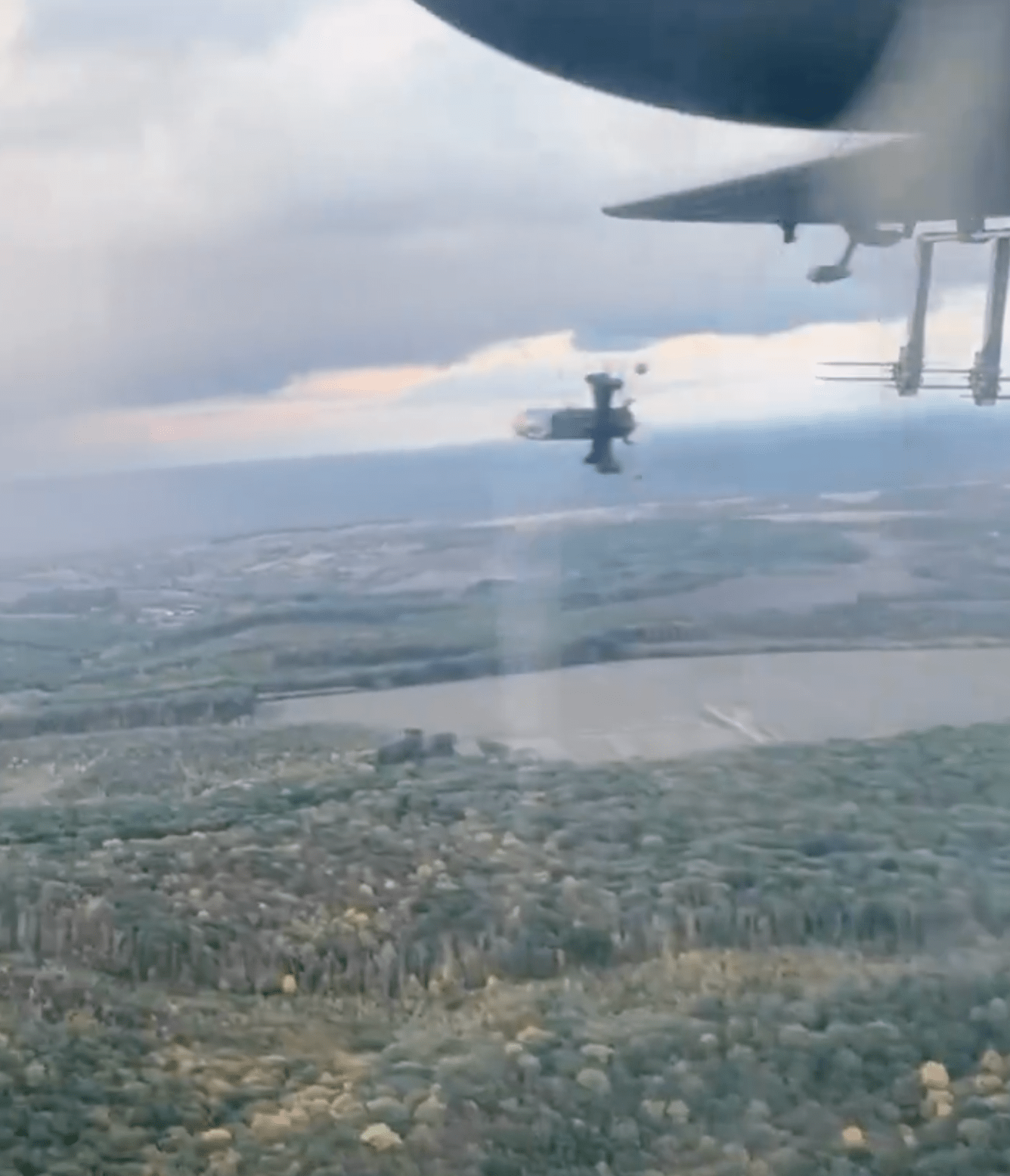
Fatkullin also added that, at this point, the An-28 has additionally brought down 222 Russian drones using gun armament.
A passenger An-28 aircraft armed with miniguns is shooting down Russian drones over Ukraine, French TF1 got an inside. The crew consists of civilian volunteers who have already destroyed nearly 150 drones during air defense missions. #Ukraine pic.twitter.com/x1E921TPT2
— NOELREPORTS 🇪🇺 🇺🇦 (@NOELreports) February 5, 2026As we have previously reported, Ukraine has been successfully using several locally produced drones to counter Russian Shaheds for some time now.
Both the P1-Sun and the AS-3 Surveyor are small, relatively inexpensive drones built specifically to zip through the skies and intercept long-range one-way attack drones.
In the case of the P1-Sun, this uses a modular, 3D-printed airframe, can operate at altitudes up to 16,400 feet (5,000 meters), and reach speeds of up to 280 miles per hour (450 km/h). This is sufficient to intercept jet-powered drones such as the Russian Geran-3, under some circumstances.
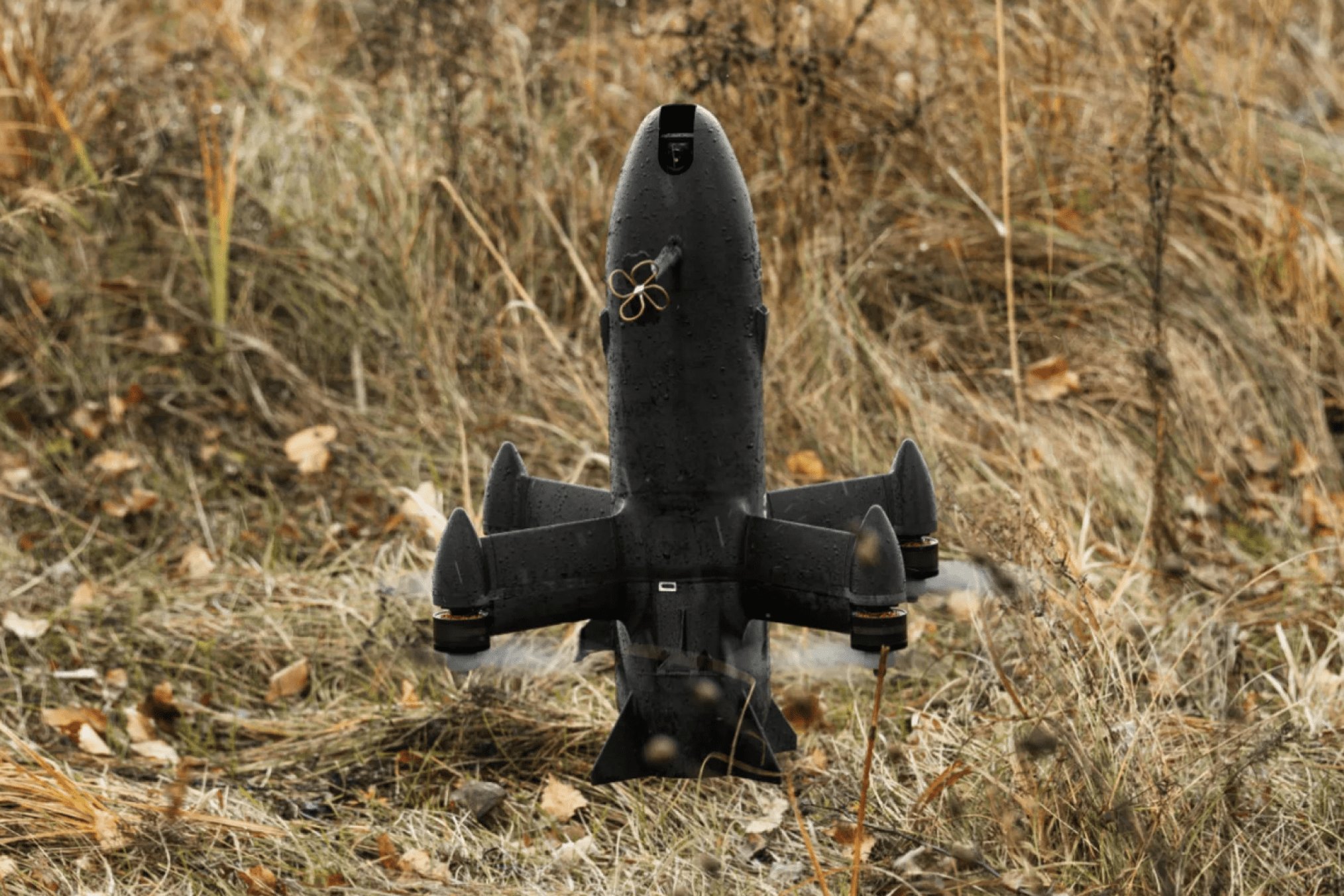
Meanwhile, the AS-3 Surveyor is a somewhat more expensive and more capable option, intended for use against higher-end threats. These interceptors can operate autonomously or be remotely piloted and are equipped with onboard sensors for target tracking. The interceptor carries an explosive warhead and destroys targets either through a direct collision or a proximity detonation.
A video shows the AS-3 Surveyor during a live-fire demonstration in Poland in November 2025:
According to the U.S. Army, a single example of the Merops-made drone costs around $15,000, with the potential to reduce this to between $3,000 and $5,000 if production is scaled up. This compares with the estimated cost of between $30,000 and $50,000 for a Shahed. Provided the interceptor drones are effective, the economic case is a very compelling one.
Having interceptor drones launched from aircraft provides a number of advantages. The An-28 is able to bring the interceptor drone closer to the target and to use its own sensors to help locate these. As we have reported in the past, the An-28 crew initially relies on air traffic controllers to guide them to the area where drones are known to be flying. One of the crew is a ‘camera operator,’ monitoring a feed from an infrared camera. Members of the crew are also provided with night-vision goggles (NVGs) for spotting the mainly nocturnal drones.
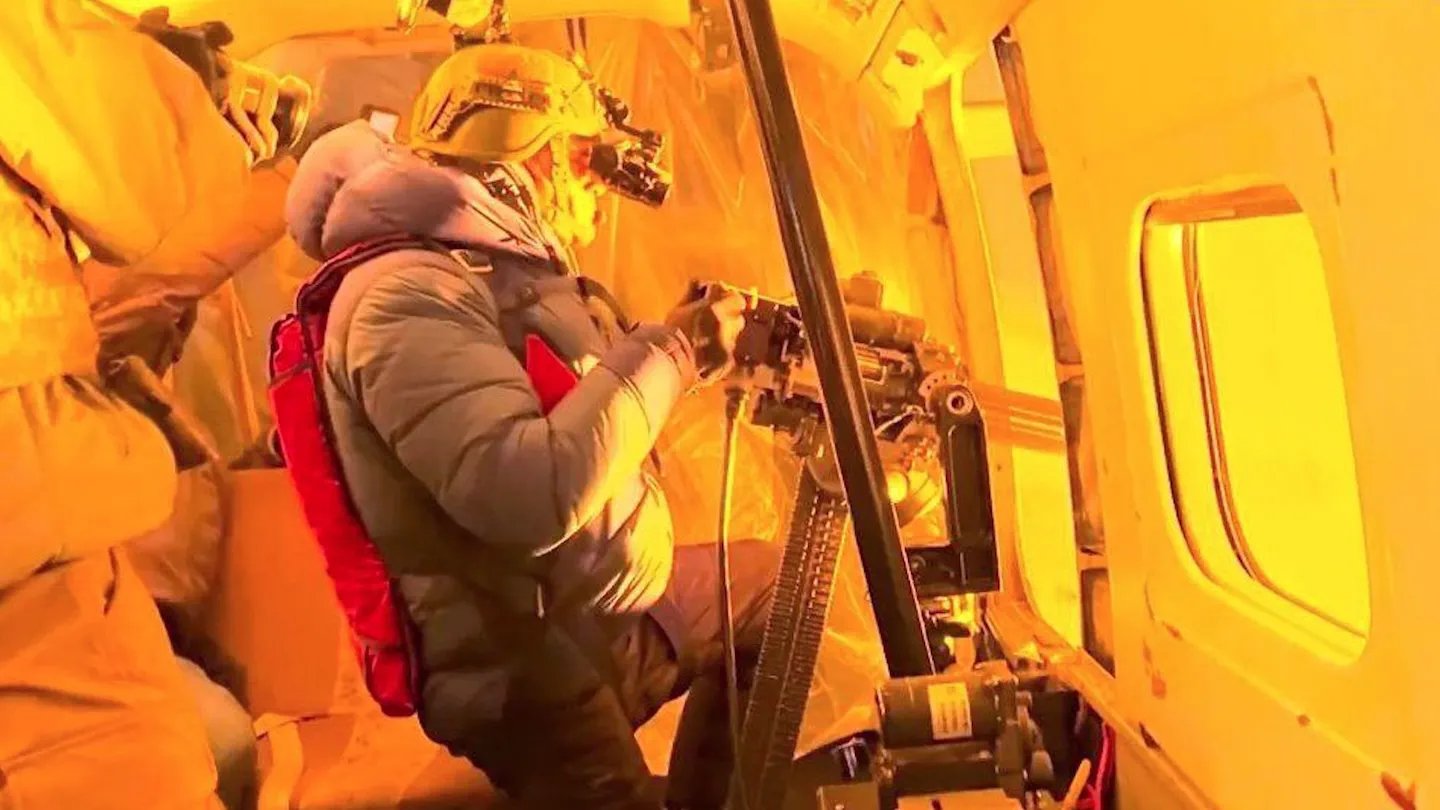
The turboprop also offers significant loiter time for standing anti-drone patrols, which can be set up as a screen where they are most advantageous. At the same time, having the drone launched from the air reduces the response time. Launching from height gives the interceptor drone additional altitude and range.
There is also the benefit of having a choice of weapons (different types of drones, guns, and potentially also rockets) to respond to various drone threats.
Furthermore, the An-28’s short takeoff and landing (STOL) capability makes it ideal for operating in and out of shorter and more austere airstrips, of the kind that Ukraine makes extensive use of in the conflict with Russia.
This threat is only set to grow. Russia, as we have previously noted, now manufactures Shahed/Geran drones at the rate of 2,000 per month and has announced plans to nearly triple that.
Already, interceptor drones have established themselves as a much more cost-effective option compared to surface-to-air missile interceptors like the Patriot system, and even cheaper, less advanced missiles when it comes to countering Shahed-type drones. Although these drones lack the payload and range of high-end munitions, they can be deployed in large numbers, allowing them to cover broad areas. This, in turn, helps preserve the limited supply of more sophisticated interceptors and reverses the unfavorable cost dynamic between targets and defensive systems. Even so, such solutions are most effective when integrated into a layered defense, particularly for protecting high-value sites and critical infrastructure.
The small size of interceptor drones also makes them suitable for arming lighter aircraft, crewed and uncrewed. Ukraine already makes use of ‘mothership’ drones, while helicopters and even gun-armed Yakovlev Yak-52 prop trainers, also used to hunt drones, could potentially carry them under their wings. Already, light aircraft and helicopters are said to be responsible for downing between 10 and 12 percent of all drones claimed by Ukrainian air defenses of all kinds.
It isn’t hard to see how this concept could be rapidly evolved and executed even more effectively and efficiently with better technology. For instance, having MQ-9 Reapers loaded with these drones and equipped with air-to-air radar would allow for a long-range, long-endurance picket aircraft of sorts. In the context of the war in the Middle East, parking these between the Arabian Peninsula and Iran, over the Persian Gulf and Gulf of Oman, could go a long way to stopping incoming Shahed-136 and other one-way attack drones at a tiny fraction of the cost of surface-to-air missiles.
Arming crewed aircraft with interceptor drones is the latest expression of Ukraine’s fast-developing counter-drone arsenal. If it proves successful, we will likely see its wider adoption. After all, anything that helps change the calculus for Ukraine in the drone war is likely to be enthusiastically adopted.
Contact the author: thomas@thewarzone.com

The Ukrainian leader’s historic visit to Baku marks a significant pivot in regional diplomacy, focusing on drone technology cooperation and investments from SOCAR.

Russian troops shelled the Donetsk region seven times over the past 24 hours, damaging 12 private homes and high-rise residential buildings, as well as a power line, a gas station, and a bus station.

The French president warned that the current historical moment is unique as Washington, Moscow, and Beijing align against European interests, necessitating a more unified and self-reliant continent.

Critical infrastructure facilities, as well as warehouse and production premises, have been damaged in the Bila Tserkva district in Kyiv Oblast as a result of a Russian attack.