In a Wall Street Journal op-ed, UAE ambassador to the US, Yousef Al Otaiba, wrote that the current war requires a decisive outcome that addresses the full scope of the Islamic Republic’s threat.
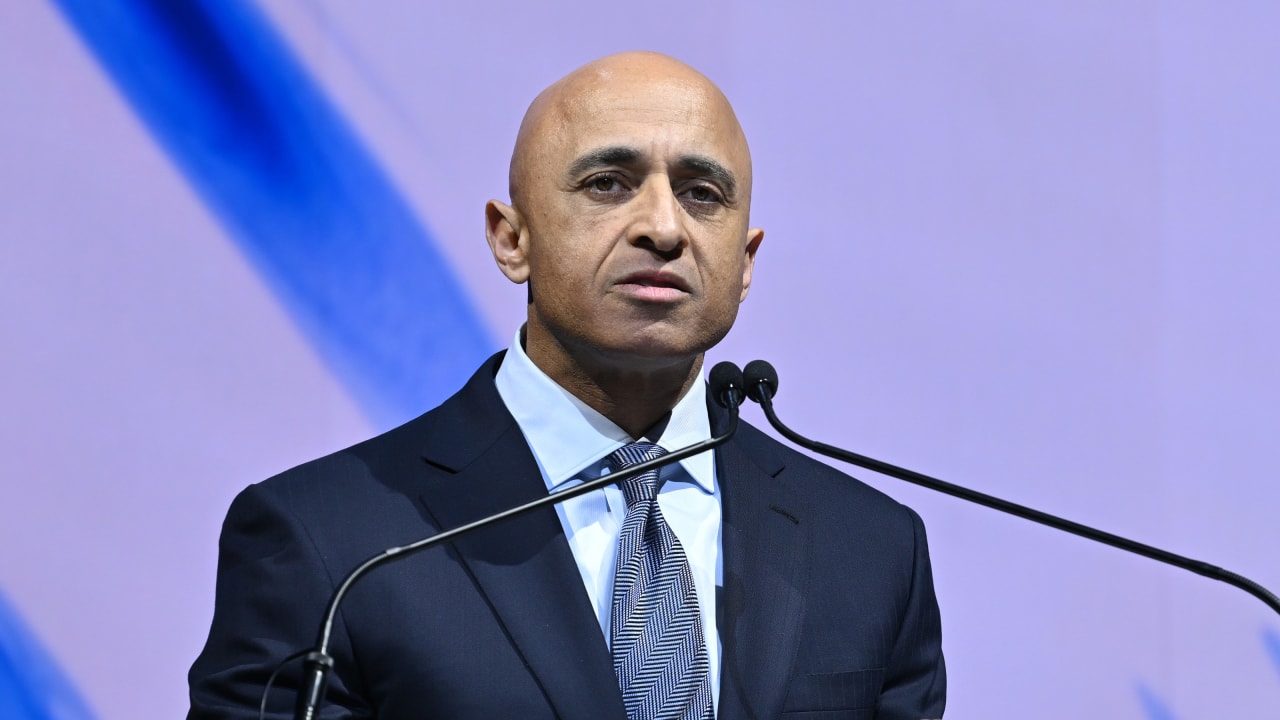
The United Arab Emirates’ ambassador to the United States, Yousef Al Otaiba, argued in a Wall Street Journal op-ed published Wednesday that the war with Iran should end in a way that removes Tehran’s long-term threat to the region, a message that came as Gulf states stepped up public warnings over Iranian attacks on civilian and energy infrastructure.
In the op-ed, titled "The UAE Stands Up to Iran," Al Otaiba wrote that the current war required a conclusive outcome that addressed the full scope of the Islamic Republic’s threat. The piece appeared on the WSJ’s opinion pages on Wednesday afternoon.
Al Otaiba’s article landed amid rising signs that key Gulf states are taking a harder public line against Tehran after weeks of regional escalation tied to the US-Israel war with Iran.
UAE, Kuwait accuse Iran of destabilizing international order
Reuters reported Wednesday that Gulf Arab states told the United Nations Human Rights Council that Iranian missile and drone attacks posed an “existential threat,” and that representatives from Kuwait and the UAE accused Iran of seeking to destabilize the international order through terror and expansionism.
That sharper rhetoric has also surfaced in reporting from the WSJ’s live coverage, which said Saudi Arabia and the UAE were deeply concerned by efforts to end the conflict before Iran had been substantially weakened.

According to that report, both Gulf states feared that a premature halt could leave Tehran with significant regional leverage, especially after attacks on energy infrastructure and amid continued threats to shipping through the Strait of Hormuz.
The WSJ’s reporting also said the Trump administration had presented Iran with a 15-point proposal to end the war, including demands related to Iran’s nuclear program, ballistic missiles, proxy activity, and freedom of navigation in the Strait of Hormuz. Iran rejected that framework and publicly insisted on its own conditions, including reparations and recognition of its claims over the strategic waterway.
Al Otaiba’s intervention is notable because the UAE has often balanced public caution with quiet security coordination across the region.
His decision to make the case openly in a major US newspaper suggests that at least some Gulf leaders want Washington and its allies to avoid a settlement that leaves Iran’s military and regional power structure largely intact. That is an inference based on the timing and framing of the op-ed, alongside concurrent Gulf diplomatic messaging.
The wider regional picture remains volatile. The Associated Press reported Wednesday that Iran had rejected a US-backed ceasefire proposal and continued to press demands tied to sovereignty, reparations, and the Strait of Hormuz, while the US moved additional forces into the region.
Reuters separately reported that the war has already displaced large populations and disrupted humanitarian logistics, including through the UAE, which serves as a major regional aid hub.

