
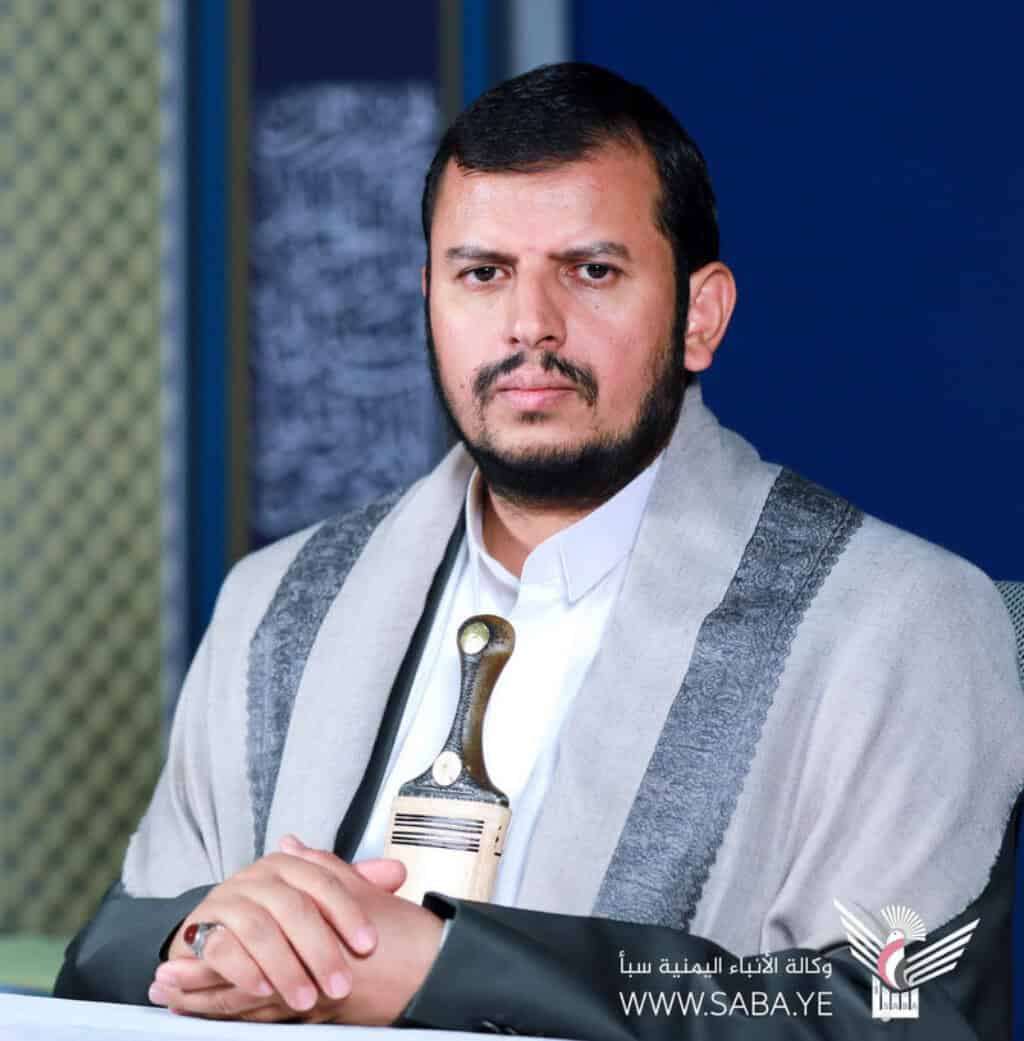
In recent speeches, Abdulmalik al Houthi, the leader of the eponymous Yemeni terror group, reiterated his group’s support for its regional partners in the Iran-led “Axis of Resistance” and held out the possibility of a future escalation. The Houthis entered the US-Israeli conflict with Iran by launching a handful of drones and missiles at Israel between March 28 and April 2. However, the Yemeni group has not conducted any attacks since and has not violated the ceasefire that went into place on April 7.
“We also affirm our readiness to confront [the United States and Israel]—with God’s help and trust—in any escalation or any developments within the current situation. We are in full coordination with our mujahideen brothers in the (Axis of Jihad, Resistance, and Jerusalem) regarding what is happening in Lebanon and Palestine, and regarding the unjust and aggressive American measures, and whatever is necessary in response,” Houthi said in a June 5 speech. He also expressed support for Iran, but, as in past speeches, focused more on emphasizing solidarity with Lebanese and Palestinians in confrontations with Israel.
Houthi did not specify what steps the group may take should it deem escalation warranted. However, Iran’s Islamic Revolutionary Guard Corps-Qods Force (IRGC-QF) Commander Esmail Qaani recently threatened to close the Bab al Maneb Strait, the strategic chokepoint on the Red Sea. During the recent conflict, Iran has repeatedly said the regime could close the strait by employing the Houthis, who control most of Yemen’s Red Sea coast. However, the Houthis resisted targeting international shipping and other vessels in the Red Sea in the recent conflict.
Houthi also issued a veiled warning directed at neighboring Muslim countries. “We advise all forces and entities in our region to beware of being drawn into fighting in service of the Zionist enemy by the Americans. Because the Americans are indeed trying to bring them to this point: to engage in a comprehensive battle in service of the Zionist Jews, in service of Israel. This poses a grave danger to them, for they will be serving an enemy that targets everyone in every way,” he said. The Houthis have previously warned Arab countries against involvement in regional conflict, particularly in concert with the United States.
On May 27, Houthi also issued a statement on the death of Mohammed Odeh, the head of Hamas’s Al Qassem Brigades, who was killed in an Israeli airstrike after holding the post for only 10 days. “The martyrdom of the jihadist leader Muhammad Awda (may God be pleased with him) in this confrontation with the front of disbelief, criminality, and tyranny adds to the shining record of sacrifice, jihad, selflessness, patience, determination, and will that the mujahideen brothers in Al Qassam Brigades possess,” Houthi said.
In another statement on May 26 marking the Eid al Adha Islamic holiday, Houthi discussed the “suffering and great injustice inflicted upon the Palestinian people” as well as the need to support Hezbollah in its fight against Israel. He described Iran as an example to Muslim nations in confronting the United States and Israel.
Bridget Toomey is a research analyst at the Foundation for Defense of Democracies focusing on Iranian proxies, specifically Iraqi militias and the Houthis.
Tags: Axis of Resistance, Hamas, Hezbollah, houthis, Iran, IRGC-QF, Israel, Yemen


