How the Evidence-Based Approach Within MYRP is Reshaping Ukrainian Education During the War
Ukraine has implemented an evidence-based approach in its national education policy to mitigate learning losses caused by the war. This methodology serves as the foundation for the Multi-Year Resilience Program (MYRP), funded by the Education Cannot Wait global fund. Key partners, including the KSE
Kyiv Post
75
7 min read
0 views
The war has radically altered the Ukrainian educational landscape. Over the last four years, the system has undergone transformations where learning losses have become more than just statistics — they are a threat to the country’s future human capital. Under these circumstances, Ukraine has chosen a path of reform rooted in an evidence-based approach.
What is the Evidence-Based Approach?
The evidence-based approach is a decision-making method in which practical steps are based not on intuition or tradition, but on a scrupulous analysis of objective, verified, and up-to-date data. Analytical results form the foundation for both strategic and tactical decisions.
Its core lies in integrating the best available scientific evidence with the professional expertise of specialists. This is crucial for decision-making at all levels as it helps avoid bias and ensures high efficiency in any field.
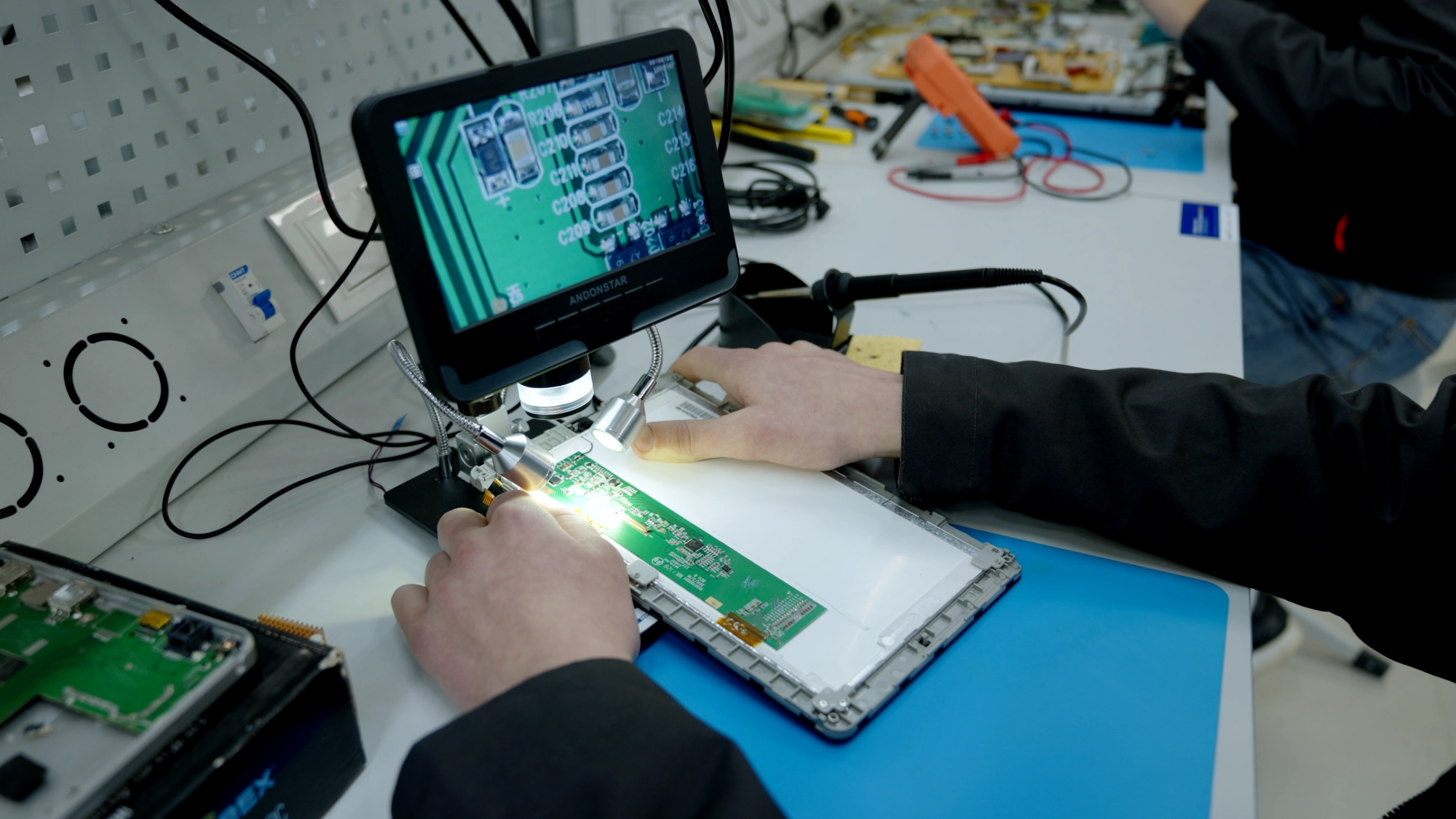
Illustrative photo/Depositphotos
The Ministry of Education and Science (MoES) chose this specific approach for transformations in its sector during the war, as modern-day Ukraine simply cannot afford to make mistakes.
This approach became the bedrock of the Multi-Year Resilience Program (MYRP) funded by the Education Cannot Wait (ECW) global fund. The program has united the efforts of the MoES, international donors, and the NGOs to turn wartime challenges into an opportunity for a fundamental leap forward.
Trump said the end of Russia’s war in Ukraine is “very close,” echoing Vladimir Putin’s claim that the conflict is nearing an end. His remarks came after a US-brokered three-day ceasefire, which did not hold entirely, expired. Russia rejected Ukraine’s proposal to extend the pause and resumed large-scale attacks, according to Ukrainian officials.
“MYRP brings together the state, international partners, and the civil sector around a shared logic: decisions must work for children here and now, while simultaneously laying the groundwork for long-term changes. The evidence-based approach allows us to synchronize these levels: humanitarian response, recovery, and the transformation of the education system,” says Maryna Damaskina, head of the MYRP program.
KSE: a driver of the methodology based on the evidence-based approach
The Kyiv School of Economics (KSE) serves as the primary analytical “engine” within MYRP. Kostiantyn Shokalo, the head of the Education in Emergency Research Center at the KSE Institute (established within the MYRP), emphasizes the importance of transitioning from intuitive management to evidence-based policy.
“We help the MoES shape decisions so they are about people and for people. The Kyiv School of Economics, in general, has a significant impact not only on the evidence-based approach but specifically on this evidence-based policy. We strive to accompany the Ministry’s decisions with analytics.
For example, regarding vocational education, we are analyzing the results of the ‘pre-pilot’ so that by 2027, when the reform is officially launched, the model will be maximally refined,” explains Shokalo.
Photo provided by the program partners
According to him, MYRP partners are confronted with a separate challenge: working with data amidst the chaos of war. “Data has always been a struggle for us. They are either incomplete or collected by different authorities and often don’t match. However, a major effort is currently underway to digitalize the State Statistics Service, and as analysts, we see the progress. This allows us, for instance, to research the state of remote learning in frontline areas not blindly, but based on real figures of student engagement,” Kostiantyn adds.
Projector Within the MYRP: Synthesizing International Experience and Ukrainian Realities
The team from the NGO “Projector Foundation” (MYRP partner) focuses on implementing the best global practices while adapting them to Ukraine’s specific needs. Oleksandra Chubrei, the team leader for the vocational education reform project, notes that their work began with an in-depth study of the successful experiences of other countries in navigating transformations.
“We researched education reform experiences in Bulgaria, Austria, Sweden, Estonia, and Denmark. Based on this synthesis of Ukrainian realities and international standards we produced over 10,000 pages of unique educational content. Our model programs were the first to adapt to the new MoES requirements specifically due to a structure verified by objective data,” emphasizes Oleksandra Chubrei.
Currently, Ukraine is paying special attention to vocational education, which is expected to become a driver for reconstruction.
“When a teacher receives not just an instruction but a complete, comprehensive ‘textbook’ with cases, simulators, and games developed on the basis of evidence, the quality of teaching and learning changes fundamentally. Our pilot project in the transport sector for vocational schools is an example of how curricula, after being researched via an evidence-based approach, begin to meet the real needs of the labor market,” Ms. Oleksandra added.
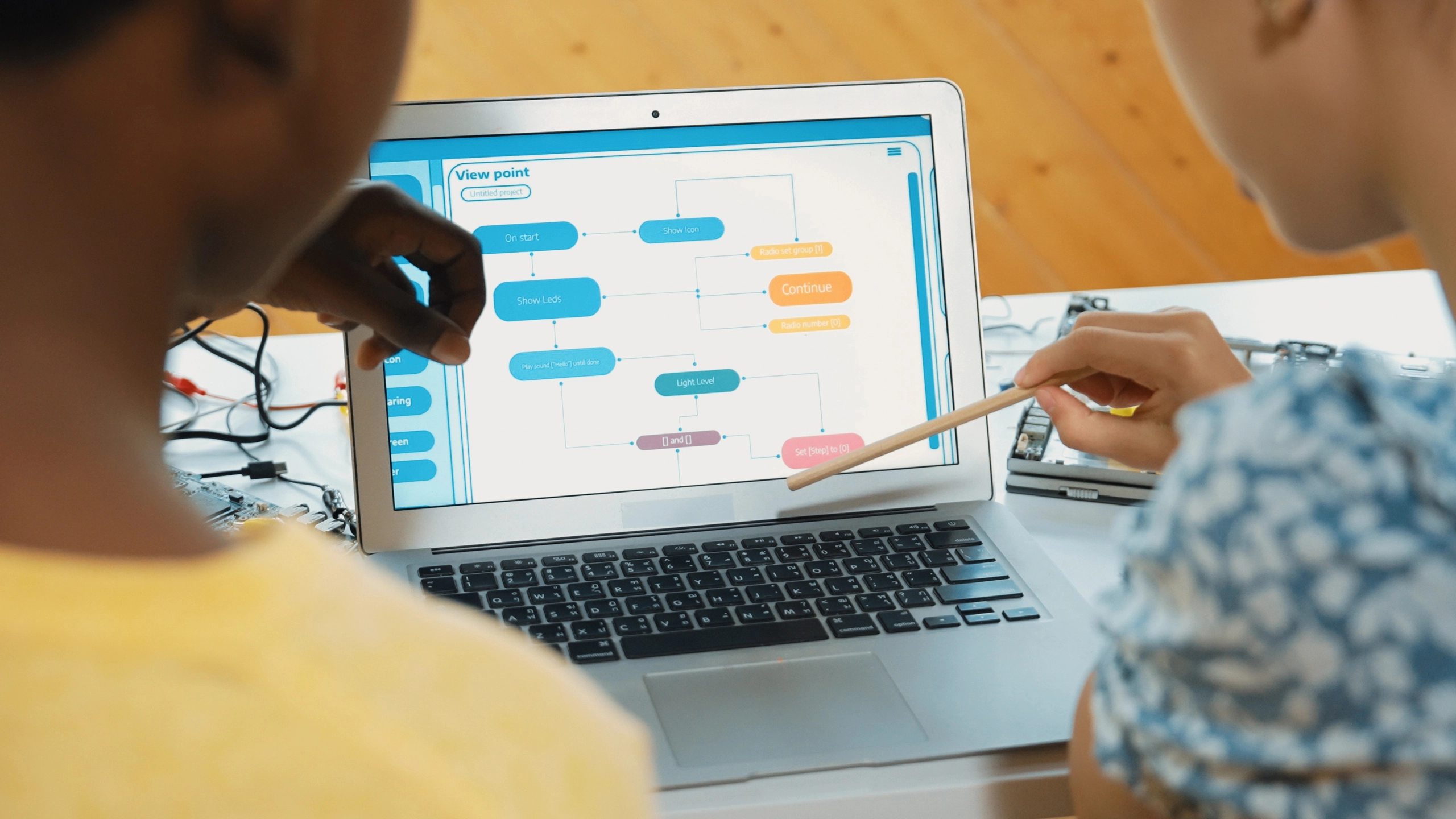
Illustrative photo/Depositphotos
Osivitoria: Maintaining the Sustainability of NUS and Teacher Support
The Osvitoria civic union, another one MYRP partner, ensures the practical implementation of reforms, acting as a bridge between government strategies and teachers’ daily work. Within MYRP, the organization focuses on ensuring that the New Ukrainian School (NUS) reform does not stall despite shelling and blackouts.
“Under war conditions, Ukrainian education exists in two states: education in emergencies and, in parallel, active development. It is important for us to support projects in both directions. Our role is to train teachers, provide them with tools and explain the stages of the NUS reform. We are also actively working on expanding international partnerships. For example, within our School of Educational Managers we have organized a module for Ukrainian school principals at the University of Cambridge,” notes Anna Sydoruk, CEO of Osvitoria.
Currently, based on Osvitoria’s experience, it can be clearly stated that the implementation of the evidence-based approach in education proceeds unevenly. “On the one hand, there are compelling examples of schools and teachers integrating new approaches into daily instruction. On the other hand, we observe hybrid practices where innovative teaching methods coexist with traditional, often more formalized approaches to assessment and the organization of the learning process,” she continues.
However, what is the most important at this stage of reforming Ukraine’s entire educational system, particularly within MYRP, is that the process of widely applying the evidence-based approach has begun. Therefore, feedback from the educators is a vital element of evidence. “International partners invest primarily in human capital. Organizations like Education Cannot Wait help fund programs for mastering modern teaching methods and psychosocial support, which is critical now,” Anna Sydoruk emphasizes.
The Ukrainian Experience is Unique and Needed by the World
Today, Ukraine is in a situation where it is not only borrowing experience but also creating its own, which has no analogs in modern history.
“For the MYRP program, the evidence-based approach is not just a work methodology but the foundation for decision-making in crisis conditions. The war forced us to act quickly, but speed cannot replace the quality of the decisions made. That is why all program interventions — from supporting NUS to developing vocational secondary education — rely on research, data analysis, and constant monitoring of results. This allows us to not only react to challenges but to systematically change Ukraine’s educational policy,” notes Maryna Damaskina.
Illustrative photo/Depositphotos
Kostiantyn Shokalo is convinced that the Ukrainian methodology will soon become a global standard for “education in emergencies.”
“Foreign colleagues are already reaching out to us for methodology. They seek access to our experience in organizing education under constant threat. So far, this is happening at the research level, but I think it’s only a matter of time before they come to us for specific solutions. In fact, we are creating answers to challenges for which the world has no recipes yet,” summarizes the head of the Education in Emergency Research Center at the KSE Institute.
The evidence-based approach within the MYRP program is not just donors’ requirement but a strategic necessity. Thanks to data and deep analytics, Ukraine is building an educational system that does not just survive but prepares a competitive generation for the future reconstruction.