
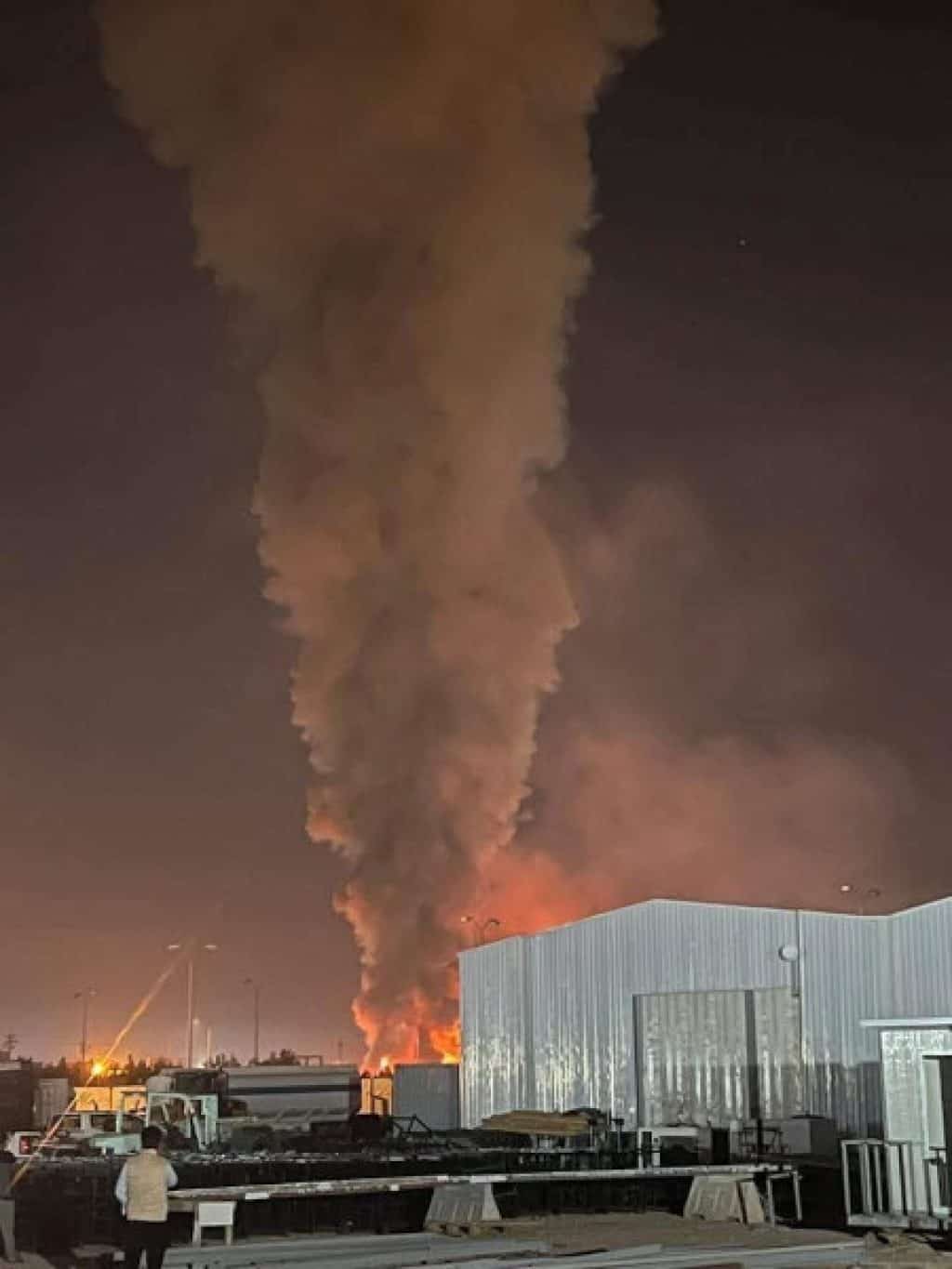
On March 6, Iran and its aligned militias continued their campaign of missile and drone attacks across the Middle East, striking civilian infrastructure, military installations, airports, and political targets across Iraq, including Iraqi Kurdistan, and the Gulf states. While many projectiles were intercepted, several strikes caused fires, infrastructure damage, and injuries.
As of March 6, Gulf governments have reported large numbers of Iranian missiles and drones targeting their territory since the start of the conflict. The United Arab Emirates reported 1,184 drones and 205 missiles launched toward its territory, with air defenses intercepting 1,110 drones and 198 missiles. Kuwait reported dealing with 394 drones and 212 missiles targeting the country. Qatar reported that 63 drones, 117 missiles, and two aircraft targeted its territory, with 47 drones, 113 missiles, and both aircraft intercepted. Bahrain announced that its air defenses have intercepted 147 drones and 84 missiles.
In southern Iraq, Iranian-backed militias targeted critical energy infrastructure around Basra. One drone struck the Rumaila oil field, one of Iraq’s largest oil-producing sites operated by British petroleum and Iraqi state oil agencies. Another drone hit the Baker Hughes Energy City complex near Zubair, while a separate drone crashed into the closed military section of Basra International Airport. Two drones were also intercepted over Basra. Further north, militants launched three missiles at Camp Taji in Baghdad Governorate, while security forces at Baghdad International Airport intercepted two missiles and two drones.
Iran, along with its proxies, also struck Iraqi Kurdistan, targeting Iranian Kurdish opposition factions. The Democratic Party of Iranian Kurdistan (PDKI) reported that its base in Koysinjaq was hit by seven missiles and several drones, while another drone targeted the party’s headquarters compound nearby. A base belonging to the Kurdistan Freedom Party (PAK), another Iranian Kurdish party, was struck by an unspecified number of projectiles, wounding four individuals. In Erbil, air defenses intercepted four drones, although debris from one fell near the Rotana Arjaan Hotel, igniting a fire.
Across the Gulf states, Iran launched a series of missile and drone attacks primarily targeting US military facilities and strategic infrastructure. Saudi Arabia reported intercepting three ballistic missiles targeting Prince Sultan Air Base, along with multiple additional projectiles across the Riyadh and Al Kharj regions, including two cruise missiles near Al Kharj and four drones near Riyadh. Saudi air defenses also intercepted another drone in the Eastern Province.
In Kuwait, an Iranian missile reportedly struck near Ali al Salem Air Base, igniting a fire close to the installation. Kuwaiti authorities also reported intercepting 12 missiles and 12 drones.
Qatar reported intercepting a drone targeting Al Udeid Air Base, the largest US military installation in the Middle East, while another drone fell in an uninhabited area of the country.
Iranian drones also struck Bahrain, hitting the Fontana residential towers in Al Juffair, where the impact ignited a fire. Bahraini air defenses separately intercepted a drone attempting to strike the Bahrain Financial Harbour Towers, a complex that houses the Israeli embassy.
In the United Arab Emirates, debris from an intercepted Iranian drone ignited a fire at the Port of Fujairah, while Emirati authorities reported that three drones fell in different parts of the country.
Ahmad Sharawi is a senior research analyst at the Foundation for Defense of Democracies focused on Iranian intervention in Arab affairs and the Levant.


