Pezeshkian and Ghalibaf believe Araghchi has been acting as little more than an assistant to Ahmad Vahidi, commander of the IRGC, informed sources told Iran International.
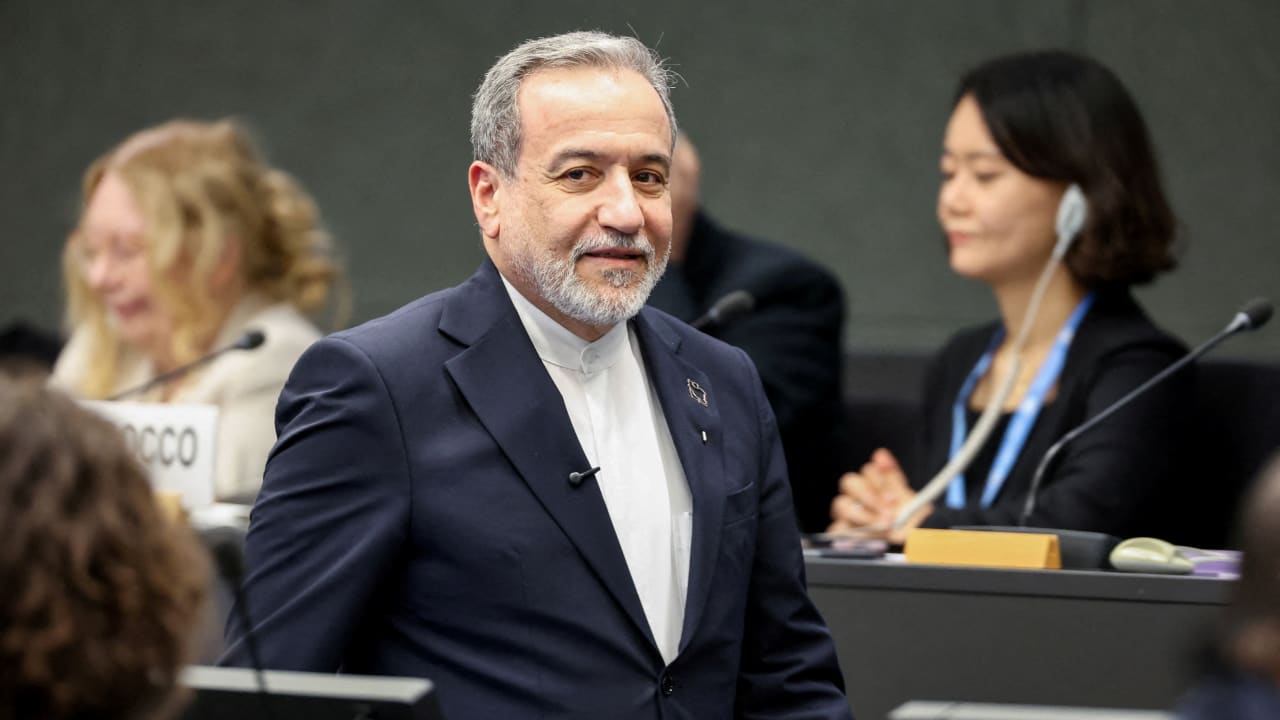
Iranian President Masoud Pezeshkian and Parliamentary Speaker Mohammad Bagher Ghalibaf have reportedly been dissatisfied with the way Foreign Minister Abbas Araghchi has conducted diplomacy and negotiations and are calling for his dismissal, London-based anti-regime outlet Iran International reported on Thursday, citing two informed sources.
According to these sources, Pezeshkian and Ghalibaf believe Araghchi has been acting as little more than an assistant to Ahmad Vahidi, the commander of the Islamic Revolutionary Guard Corps, rather than a minister implementing government policy.
The sources shared with Iran International that Araghchi has been acting without Pezeshkian’s oversight or knowledge while coordinating entirely with Vahidi and Vahidi’s directives. This has caused Pezeshkian to tell those close to him that if this continues, he will remove Araghchi from his position.
This comes a month after reports emerged of serious disagreements between Pezeshkian and Avidi, Iran International wrote.

Internal disputes led to Iranian negotiating delegation's retreat
Citing sources familiar with the negotiations between Iran and the United States, Iran International wrote that internal disputes within the Iranian negotiating delegation were what ultimately caused the team to leave the talks on Saturday, April 12.
These sources told Iran International that Araghchi had displayed flexibility during the Friday negotiations regarding reducing or halting financial and military support for the ‘Axis of Resistance’, especially Hezbollah, which drew a harsh reaction from Mohammad Bagher Zolghadr, secretary of Iran’s Supreme National Security Council and former IRGC commander.
Following the negotiations, US Vice President JD Vance told Fox News that the US delegation discovered the Iranian team was unable to strike a deal without returning to Tehran for approval “from the supreme leader or somebody else.”
