The TWZ Newsletter
Weekly insights and analysis on the latest developments in military technology, strategy, and foreign policy.
Joseph Votel offers insights on securing Iran's uranium, seizing Kharg Island, dwindling stocks of missile interceptors, and how long Epic Fury will last. The post What Boots On The Ground In Iran Could Entail, According To Former CENTCOM Commander appeared first on The War Zone.

The TWZ Newsletter
Weekly insights and analysis on the latest developments in military technology, strategy, and foreign policy.
The Pentagon has reportedly drawn up plans to send American troops into Iran, possibly to Kharg Island or far deeper into the country to seize enriched uranium. These moves would represent a huge escalation for Operation Epic Fury. Former CENTCOM commander Joseph Votel offers us exclusive insights into the challenges and dangers of having U.S. boots on the ground in the Islamic Republic, and what it would take to seize Kharg Island or attempt to snatch Iran’s stockpile of enriched uranium that could be very challenging to access.
In the second part of our conversation, the first centering on the current situation around the Strait of Hormuz, the retired general, now a Distinguished Military Fellow at the Middle East Institute, also addressed concerns over America’s magazine depth of interceptors and other high-end weapons, what China may be learning from the operation, and how long Epic Fury could last, among other topics.
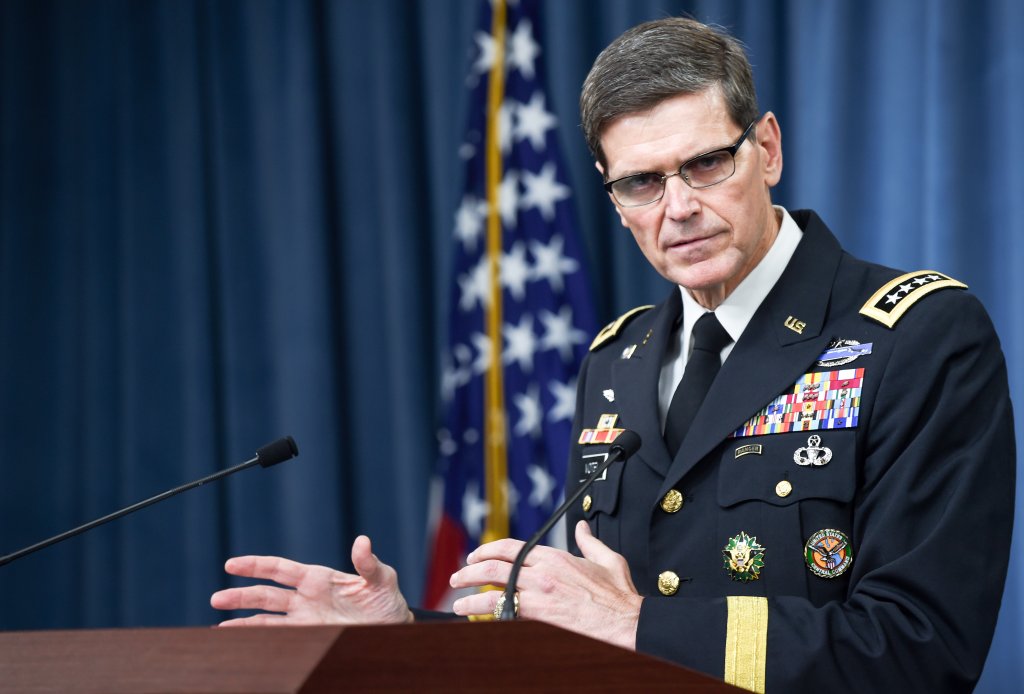
The interview took place before news broke that a second Marine Expeditionary Unit (MEU) – with at least 2,200 Marines – was being deployed to the Middle East. As we previously reported, Trump ordered another one to the region in the last week.
Some of the questions and answers have been lightly edited for clarity.
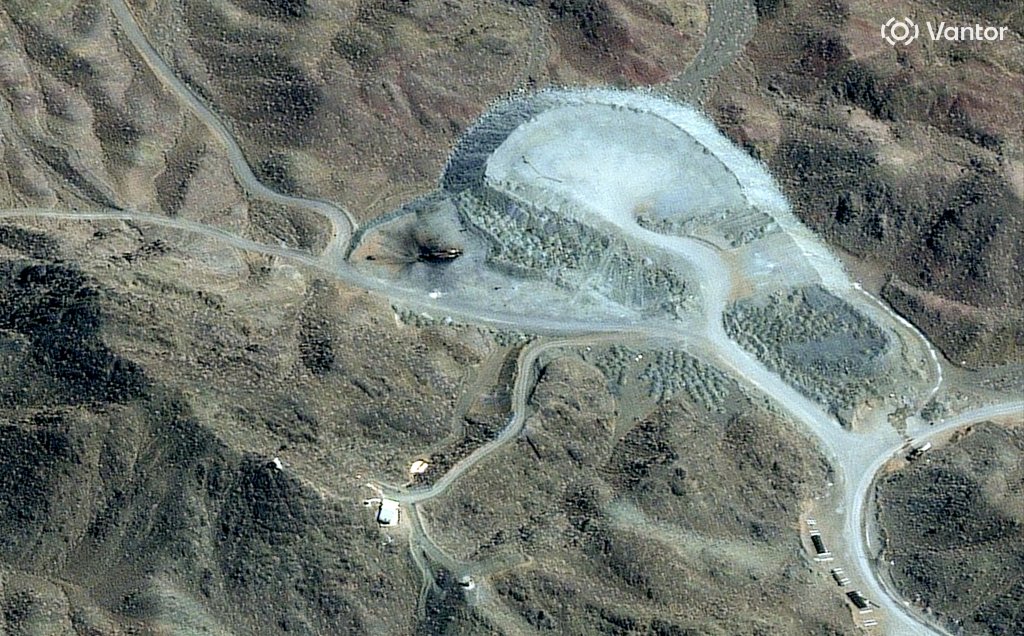
Q: Does a seizure of Kharg Island, or an insertion of SOF to recover enriched uranium from Pickaxe Mountain or elsewhere in Iran, seem feasible? What would either of those operations take, in terms of troops and assets?
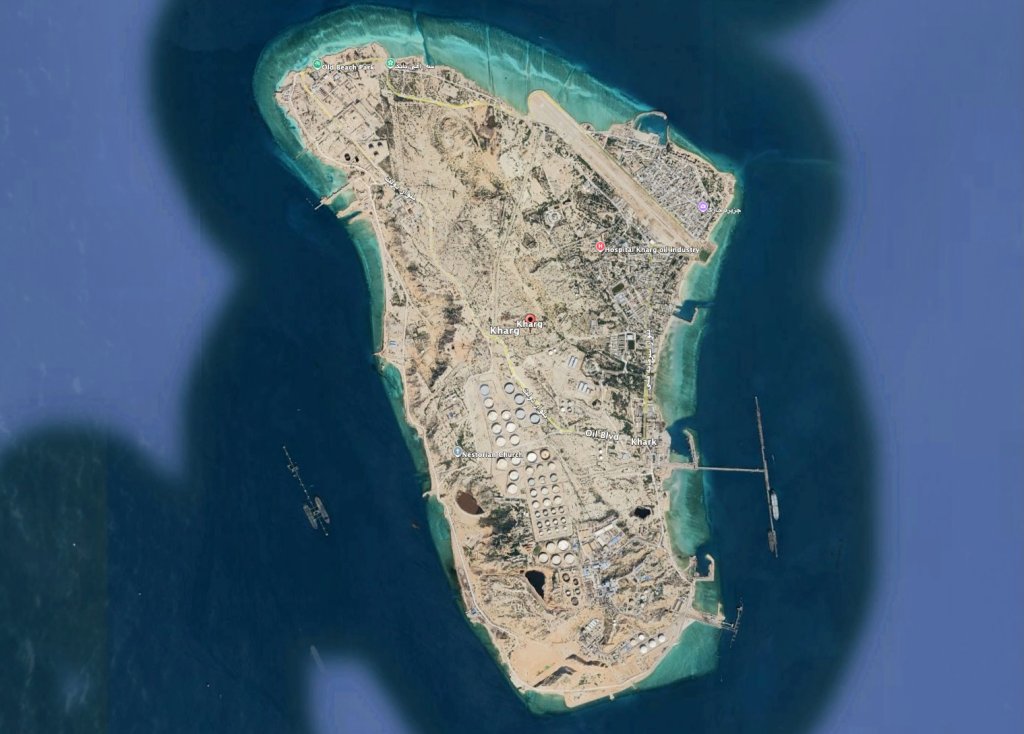
A: Both of those things are feasible. Let me just start with Kharg Island. We can put troops on there. We can air mobile them in. We could land them by boat. I guess the comment I have about Kharg is, I’m not sure what the significance is of putting troops there. It’s only about 20 miles off the coast of Iran. So you’re definitely under the threat of their weapon systems. You’d be very, very vulnerable there. And I don’t know that it would give us any particular tactical advantage that we don’t already have or couldn’t get someplace else at an offset location where we have established bases and other things like that. So I’m not sure what the tactical advantage of it is.
I get that it has an informational and kind of messaging advantage against the Iranians that we are on their territory. And it may send a message to the broader energy community that we are safeguarding these vital Iranian infrastructures. That might give them some confidence [but] kind of an odd thing to do. But I just don’t really see the big advantage of going to Kharg. But we could certainly do it if we had to.
We would be vulnerable. When you start putting troops on the ground – I know there’s some mishmash and words on that – but that’s troops on the ground right there. It also implies that you are going to have to take care of them, you’re going to have to resupply them, you’re going to medevac them, you have to do all the things that keep them in place for whatever period of time. And that requires that you have a logistical tail, and at some point that tail has to be protected as well. So these are not insignificant considerations and they’re often bigger operations.
I would imagine on a little island like Kharg, you would need a battalion sized force of Marines or soldiers could probably do that. So you’re probably looking at 800 to 1,000 troops, kind of size, maybe a little bit smaller, probably not much larger than that.
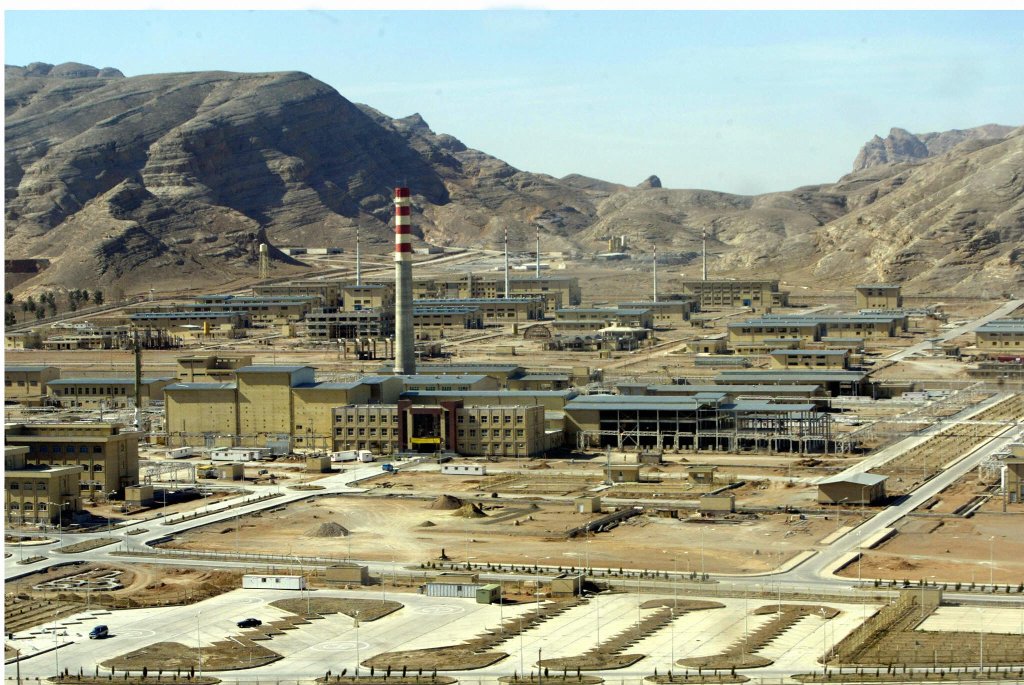
Going after the fissile material I think is a bigger operation. Again, I think we have the capabilities to do this. Within our Special Operations community, we have people that are trained to do this and have the right relationships and connections and other things to allow us to get in and do that. So you’d have to be able to project that force onto the ground. This would be going to a place like Natanz or Isfahan – probably one of those locations. Those are well inland – several hundred miles into Iran, a country of the same size as the state of Alaska. So it’s big and it’s diverse. It’s largely in an open plain, so you don’t have a lot of natural terrain protection there. That would have to be taken into consideration.
In addition to the kind of operators you put on the ground, you’d also have to bring in a security force, but probably a sizable security force – a brigade size or 1,000 to 3,000 or 4,000 troops to just secure while they did that work. You’d have to do that. You’d have to make sure you dedicated air power. You’d have to put CAPs [combat air patrols] up over, you’d have to have ISR [information, surveillance and reconnaissance] in place.
Again, you’d have the challenge of people on the ground, so you’d have to logistically sustain them and then be prepared to protect that tail. And then you have to have all of the lift, whether it’s rotary wing or fixed wing, to get them in and get them all back out. And then you have the added challenge of handling nuclear material. So about 450-some kilograms. That’s roughly 1,000 pounds of 60% highly enriched uranium. And that’s a lethal material. So ideally, that would be packaged already, but we’d have to make sure we packaged that and moved it and had someplace to actually take it back to.
So, yeah, could we do a military operation? Sure. I think it would kind of look like I described there. It would be a big operation, and it wouldn’t be something that would be done in a single period of darkness. It probably takes some time. You’d have to have some special capabilities to go in and excavate these things and identify them.
There’s no real open-source discussion of what the conditions are at these things, you’d have to be prepared for the worst, and the worst would be having to dig down and find it. I’m hoping that our intelligence community understands this a little bit more, and I suspect that is the case. But this is a pretty big, pretty significant operation.
An alternative to this would be waiting until there is a cessation of hostilities and then trying to go in in a more semi-permissive environment with elements of the International Atomic Energy Agency (IAEA) who really have responsibility for this. They would bring expertise in to do this. We – or some other military force – would probably assist with some of that. But that may be another option as well. I’m sure they’re looking at all these.
Q: This is not a job for a Tier One unit like SEAL Team Six or Delta, to go in and grab it, right? There’s a lot of discussion about that.
A: Yeah. First of all, you’re not just going to go in and grab 1,000 pounds of nuclear material and then ferret it right out. That’s not the case. Those unique capabilities reside within the Special Operations community. I won’t identify organizations, but they reside within the tip top of our special operations capability. They’re trained and maintained and normally exercise and rehearse on a regular basis. So, yeah, we have the ability to do that. But it’s unlikely – in my view, my estimate, with what I know – that you just send a few folks in there, grab the stuff and get it out. I don’t think that’s the case. I think it’s going to take more. You might be able to do that in a permissive environment, but I don’t think you want to take the risk associated with that in the environment that we’re seeing right now, or perhaps even in a semi-permissive environment.
Q: Was there proper planning to ensure enough missile and drone interceptors were in place prior to the start of Epic Fury?
A: I have no reason to believe that it wasn’t. Is there pressure on our magazine depth? There sure is. We’ve talked about that for a while. CENTCOM planned – which has been developed and modified over the last 20, 25 years – to do this. Every commander had their fingers involved in it. I do not know the current plan. I’m sure that [CENTCOM commander] Adm. [Brad] Cooper has done that. It was a significant discussion, not only about the targets, but certainly about what was required to execute that and also to protect themselves. So my assessment is, yes, I think we have. And I don’t think we’ve seen an instance where we’ve not been able to defend ourselves because we didn’t have any missiles.
There’s no doubt we’ve expended a lot, and that’s put a lot of pressure on the magazines, but the Department of Defense and CENTCOM and Joint Staff, I think, have been able to make sure that they’ve been able to move enough materials into place so we can sustain this operation, now well into its third week.
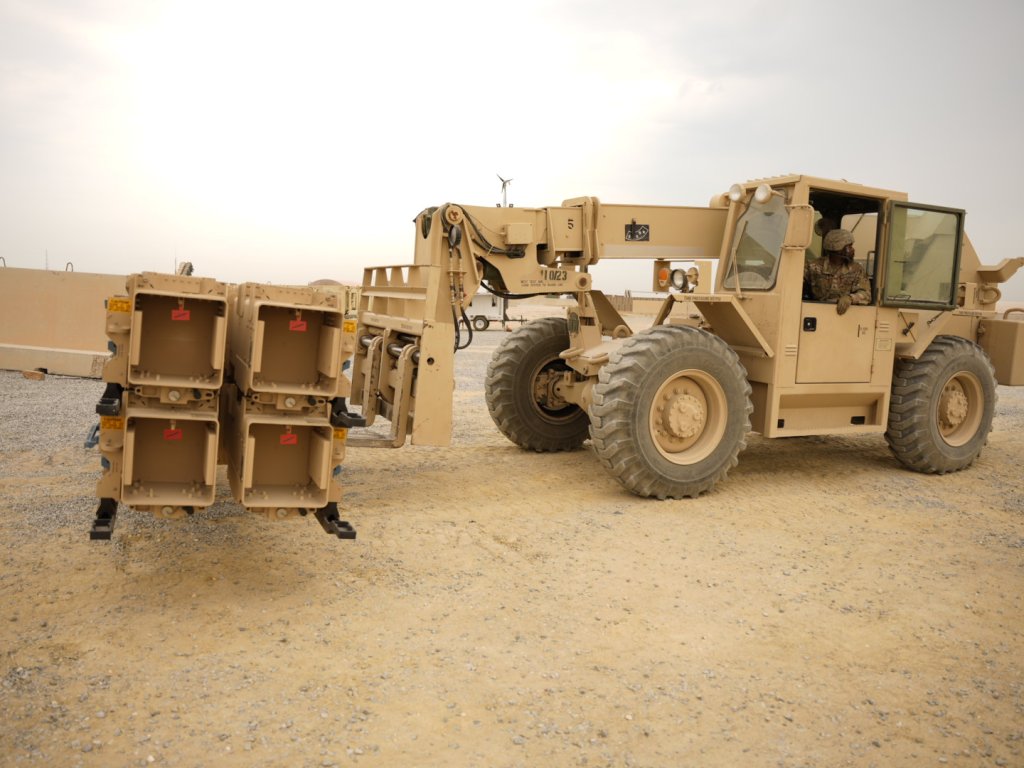
Q: How concerned are you about America’s magazine depth of these defensive weapons?
A: We should be concerned. I think the challenge may not necessarily be in CENTCOM. The challenge may be in other areas like the Pacific, Korea, you know, Europe, you know this. This could be impacting our ability to send things to the Ukrainians, or through our NATO partners, the Ukrainians. So I think that’s where the concerns are. And by the way, you know, all of our Gulf Arab partners and many of our partners around the world use THAAD [Terminal High Altitude Area Defense] and use Patriot missile systems, and so they require resupply as well, and stocks available to them.
I think we have long had an issue with making sure we had sufficient magazine depth. We went through this several years ago when North Korea was flexing its muscles and firing missiles towards Guam and over Japan. We had a serious discussion about this. We saw this with the response to Ukraine as well with artillery rounds. The Army’s ramped up production, three or four fold over the last couple of years. But it’s taken a little bit of time. That’s good. But we need to do that with all these other munitions. So a portion of our resources needs to be dedicated to making sure we have sufficient munitions in place for our contingencies and for our partners who have bought our systems they are relying on.
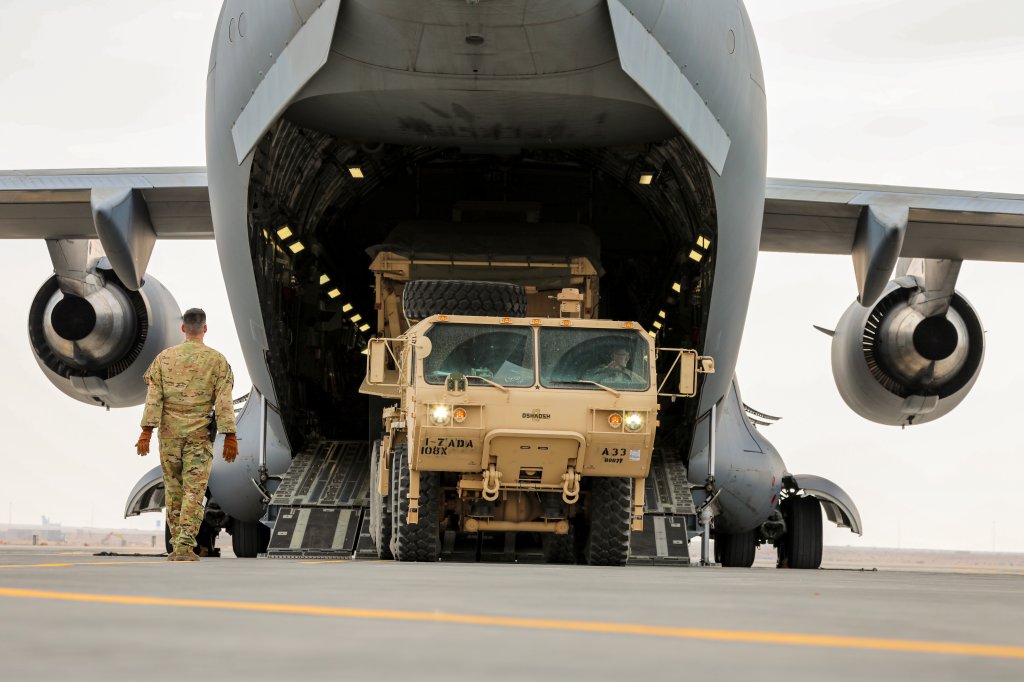
Q: What’s your assessment of Iran’s magazine depth of missiles, operable launchers and drones? How long can they keep presenting a threat?
A: There’s been pretty serious damage done to their missile system and I say the system, because it’s not just the missiles. It’s the launchers, it’s the command and control sites, manufacturing sites, it’s the storage sites. I think we’ve done a lot of damage to that. And you’ve probably heard some of the numbers that have come out of CENTCOM – in the 70, 80% range of destruction. I think we’ve done a lot with the drones as well. I think the concern is the last 15 or 20%.
Don’t pay attention to the numbers. The fact of the matter is, they’re going to have a remnant portion of capabilities, and that’s a portion we’re focused on right now. Iran’s strategy has been to broaden the conflict by hitting a lot of different places, 12 or 13 different countries, and then to extend it by continuing to present this threat to us over a long period of time. They don’t have to shoot large volleys of missiles and drones. They just have to get some across. They just have to launch some every day. And that’s going to keep our focus, and it’s going to keep us occupied doing that. So that’s their strategy on this.
They’ve taken a significant hit in some of their capabilities, and I imagine some of the magazines, but there’s some left. I think at the start of the war, their missile strength was somewhere in the 2,000 to 3,000 range. Some of the numbers I’ve seen show there are probably over 1,000 that have been launched now, and so that leaves a considerable number. They don’t have the ability to launch these. And now that we have air superiority over those locations, we can go anywhere we want. We see something, we can take it out right away. So the missiles are very, very vulnerable, but the drones are much easier [for Iran to protect]. They don’t require all that much, and they probably got larger stores that it’s important to appreciate. They were manufacturing these things for Russia, so they probably have fairly sizable stores of drones left.
Prior to Operation Epic Fury, the Iranian regime used the Karaj Surface-to-Surface Missile Plant to assemble ballistic missiles that threatened Americans, neighboring countries, and commercial shipping. The photo dated March 1, 2026, shows the plant prior to U.S. strikes. The… pic.twitter.com/QEs5toZQpX
— U.S. Central Command (@CENTCOM) March 19, 2026Q: How closely is China watching this? And what are they learning from it?
A: Well, I think they’re paying very close attention to this. They’re learning how we respond to counter fire. They’re very closely following our air tactics and how we are working with the Israelis on that. They’re looking at the targets we are going after, and trying to understand the scheme of fires associated with all of this.
They will be watching very closely how we deal with the Strait of Hormuz. We’ve got the straits down there – the Strait of Taiwan and all these other ones in Asia – they’ll be paying very, very close attention to this. They’ll be watching what our readiness rates are throughout all of this, and our ability to marshal forces and how quickly we can do this. So I think they’re absorbing a lot about how we are operating.
But they’re also seeing the use of drones. They’re probably trying to pay attention to how artificial intelligence may be being effectively used. And I would imagine that it is by the US and helping us parse a whole bunch of information and select targets and perform other functions. So, they’re paying a lot of attention. I think they’re also paying attention to what this is doing to our readiness in other areas, frankly. We continue to move resources out of the Asia Pacific, and they certainly are taking note of that.
Q: Do you think China will move on Taiwan given all that?
A: I don’t know. I’m not an expert in that particular area. But what I do know is they’ve had some ambitions of trying to be ready for that in the next year or so. I also know that there’s been a wholesale sacking of their military leadership by President Xi. So he’s putting new people into place, that has an impact. It certainly has an impact on the ability to command and control a major operation to [invade] Taiwan. I don’t think we’re going to see this in the near-term. I don’t know that that’s necessarily the lesson Xi’s taken away from us. I don’t know if they’re actually prepared to do that. But they’re certainly paying attention to how we are doing things here and how that could be used in their types of operations.
Q: So far, the Houthis have been on the sidelines. Why do you think that is and at what point will they get involved?
A: The Houthis – one of the extensions of the Iranian network – have always been much more independent than Hamas or certainly Hezbollah or the Shia militia groups we normally see in Iraq and Syria that are loyal to the Iranian regime. [The Houthis] are much more independent in terms of this. They actually have a governing function, full-on governing function, and so they are trying to make decisions for themselves.
I have heard a couple of discussions on this one. One viewpoint would be that the Iranians have told them to hold on: ‘We want to extend again. We want to extend this conflict out. We want to buy some time. We’re going to be patient,’ and then we may look to do that.
Q: How likely is regime change in Iran and will it make a difference?
A: I don’t view it as particularly likely at this point. There may be some further power shifts there. I think the military component – the IRGC component of the regime, those senior leaders – are having much more influence, and that’s influencing these very angry responses we’re seeing from the Iranians on this, lashing out at the Gulf Arab countries. So I think that the military is definitely ascending in this.
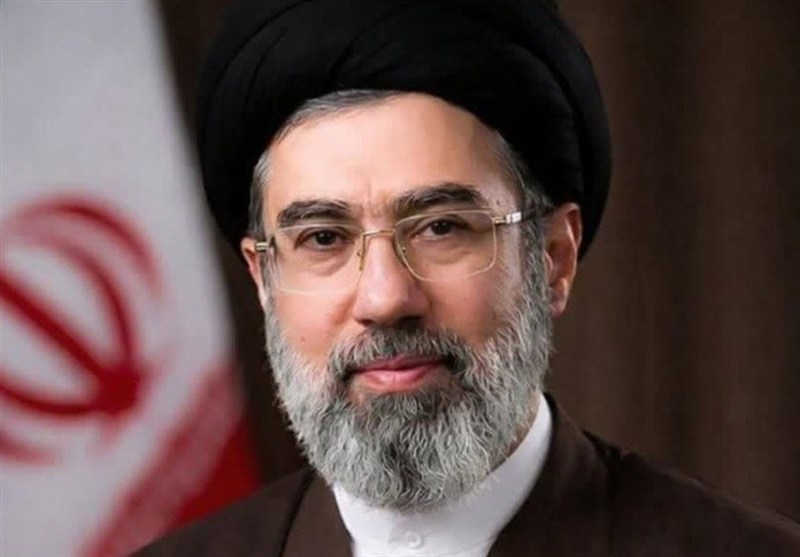
But yet, they have preserved the theocratic side of government by putting a new Ayatollah in place, admittedly, one that’s not well known, that appears to be pretty weak [Mojtaba Khamenei, chosen to replace his father, Ali Khamenei who was killed on the first day of the war]. He actually seems to be very aligned with the hard liners on the military side. There’s not much on him. He doesn’t have a huge amount of religious credibility or anything. So, he could be a figurehead, could be expendable for them, frankly, but their regime is very deep. It has great influence, and it’s pretty much wired everything in Iran, so they can remain in power. And so I suspect that they probably will. Whether a more pragmatic leader arises. I don’t know. I don’t know who that might be.
Q: What’s your biggest worry about how this all winds up?
A: That the regime remains in power. They’re going to continue to try to extend and keep this going for a long period of time, and we are going to have to undertake very expensive and deliberate activities to bring this under control. I mean, we’re already three weeks into what has been touted as a four or five week campaign. That’s pretty reasonable based on my experience and knowledge of what CENTCOM is trying to do, and what that plan basically looks like. It makes a lot of sense to me.
And then we have to undertake a very deliberate effort to open the Strait. And then we’ll have to stay committed to helping move ships through there, for some period of time, and Iran will continue to have the ability to interdict that.
My concern is that when we move to a new normal that hasn’t necessarily changed the dynamic all that much, we will have to stay committed to this for some time forward. I don’t know that that was necessarily what we had envisioned at the start of this, or had envisioned for the force long term.
Q: How long do you think this will go on, given what you’re seeing now?
A: I think we’ve got weeks more of operations.
Q: A month? More than that?
A: More than a month, I think probably double digit weeks and single digit months when you throw in a Strait of Hormuz operation, stuff like that. I can see us for a couple of months here.
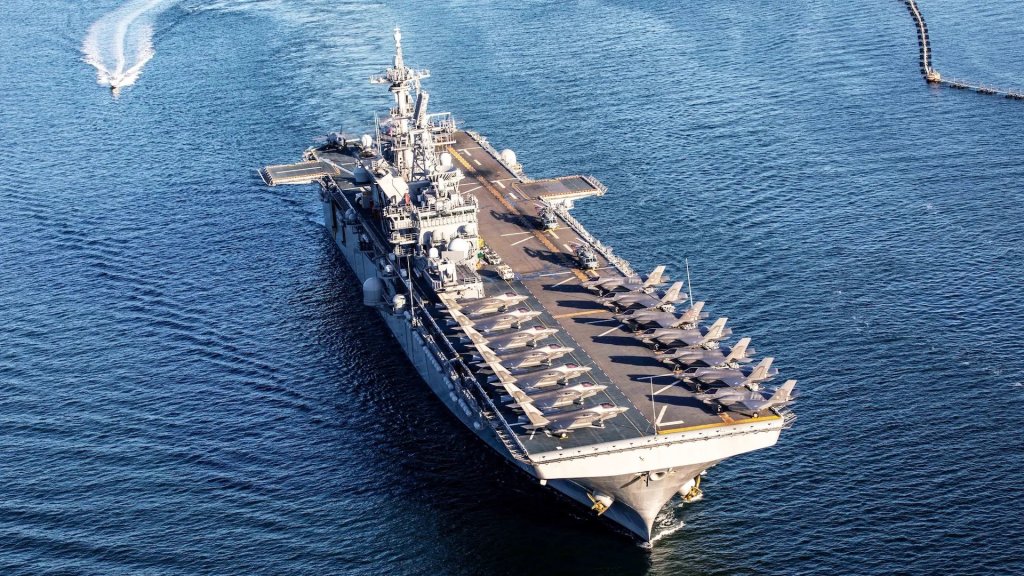
Q: What kind of strain does it put on the U.S. in terms of readiness, in terms of the troops and equipment?
A: Well, most of these naval vessels were not necessarily anticipated or forecasted to be in the Middle East right now. For the most part, they have diverted from other things that they were doing, particularly the carriers. That defers maintenance. It defers normal training cycles, and other readiness cycles that are built into this.
Those ships are fantastic, but they have to go into very deliberate maintenance periods and capital ship maintenance has been an area of some concern for us for a while, because we have so many things going on and because we don’t have the infrastructure that we require to take care of these things. So I think there could be some readiness issues with our maritime vessels. It certainly puts a lot of stress on things like THAADs and Patriots, and again, we have a finite number of those. They’re not in Korea, they’re not other places, they’re not in Europe, they’re here. So that’s going to have an impact, and those organizations are going to have to be reset at some particular point on this.
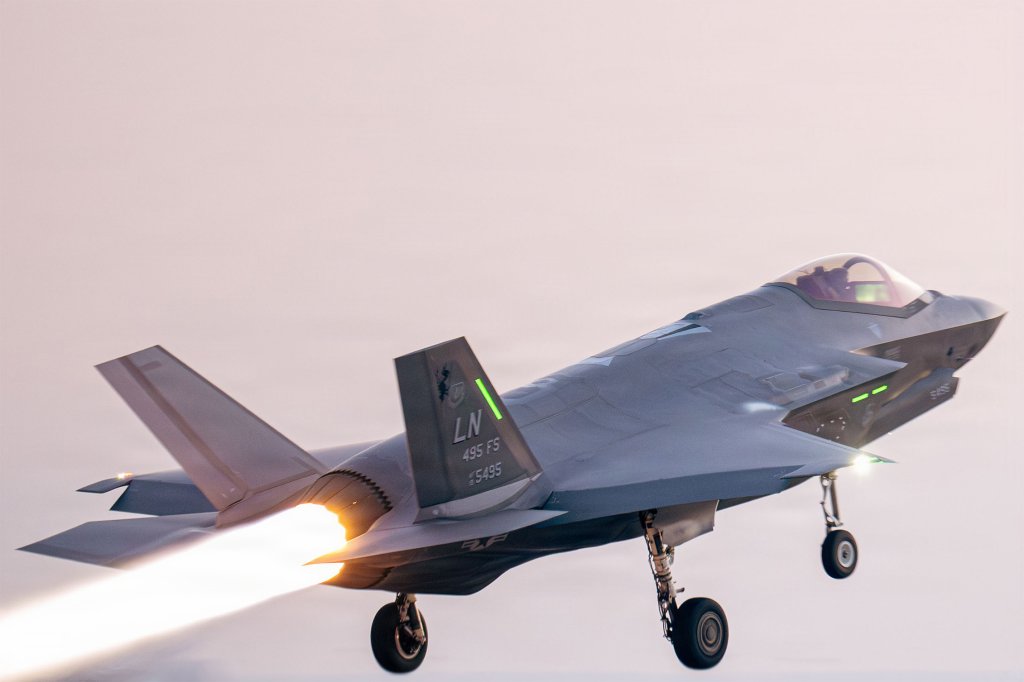
This is putting more and more stress on our air fleet, our tankers, the C-17 movers, and, of course, all the wear and tear on all of our fighters. I think to our readiness, all of those things have to be taken care of at some particular point. And that’s going to have an impact as we try to rebuild readiness and respond to other contingencies around the world. And in addition to returning to our great power competition. So I think there’s definitely going to be some impacts in this.
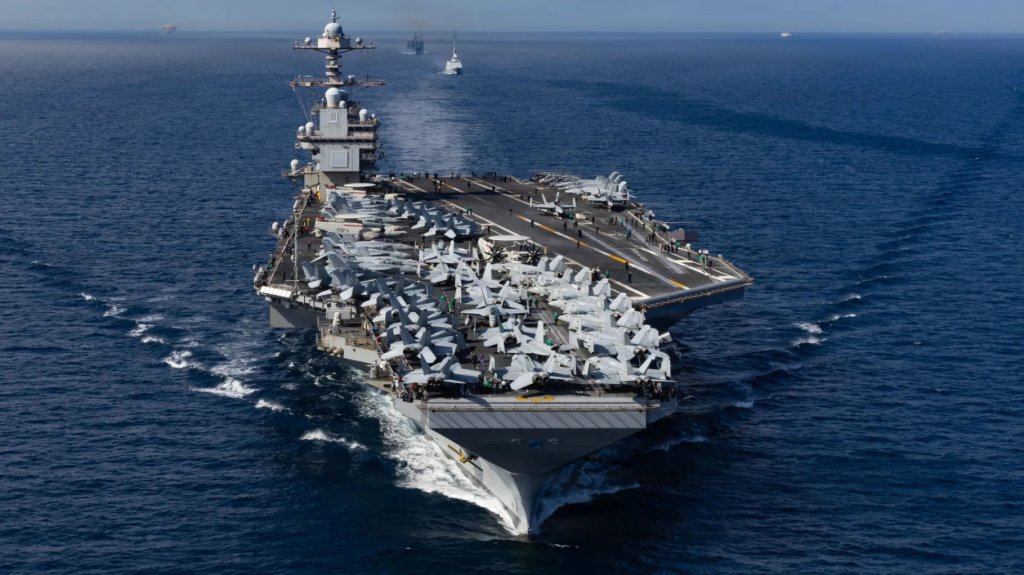
Q: How much of a difference to Epic Fury does it make that the aircraft carrier USS Gerald R. Ford has to leave the theater to undergo fire damage repairs in Souda Bay, Crete? That leaves just the USS Abraham Lincoln as the lone carrier during a major contingency operation.
A: We’ve got a lot of aircraft. We’ve got ground-based aircraft. My understanding is we may be moving another carrier in to replace that one. I don’t recall exactly which one it is, but I think I’ve read at least one or two sources that said it would happen. It takes 80 or 90 airplanes, theoretically, out of the cycle. Now those aircraft can be cross-decked, they can be moved to land. And we may be doing that. I don’t really know. But it takes away a big platform. We lose some flexibility here, and those aircraft carriers are basically floating air bases out in the middle of the ocean, and give us the ability to launch and recover things and project power where we need to. It takes away from some major command and control capability. So, yeah, it creates a void. It’s not impossible to backfill. I suspect we probably will be able to do that, but there’s definitely a diminishment there, and hopefully we’re replacing one with one here.
Q: Anything I didn’t ask that you want to talk about?
A: No, it was pretty comprehensive.
Contact the author: howard@thewarzone.com

In the Dnipropetrovsk region, Russian troops have attacked the Nikopol and Synelnykove districts ten times; a fire station was damaged as a result of the enemy strikes.

In Zaporizhzhia, the number of casualties from a drone attack has increased to three—a 46-year-old man was wounded.
Russian troops have increased mechanized assaults along the front in recent days as part of intensified preparations for a spring-summer 2026 offensive, the Institute for the Study of War said in a report on March 20.
U.S. President Donald Trump said Washington is close to achieving its military objectives against Iran and is considering scaling back its operation, he wrote on Truth Social on March 20.