
After the annual “two sessions” in Beijing, it’s clear that Hong Kong policymakers have their work cut out for them. It has been made abundantly clear what is expected of Hong Kong: stop messing around and get on with the national programme.
Hong Kong is part of the nation’s plans to move forward. The country knows exactly where the city fits into the big picture, how it can catapult growth in key areas and play the role of superconnector between China and the rest of the world.
The 15th five-year plan outlined the city’s task of building a commodity trading ecosystem, a high-quality supply chain service centre and a global talent hub. Beijing has reiterated its support for Hong Kong to continue its drive to not only be an international finance centre but to be the centre for shipping, trade, aviation, and innovation and technology. The Northern Metropolis is still on Beijing’s radar.
Chief Executive John Lee Ka-chiu has pledged to align with the national strategies and reiterated that his administration will hash out the city’s plan. Lee said he would get that job done before the end of the year and lead all bureaus to complete the plan.
Lee has a lot on his plate; we can’t possibly expect him to be hands-on with everything. Hong Kong runs on an executive-led system, but it cannot be a system where things only get done if the chief executive personally leads and oversees everything.
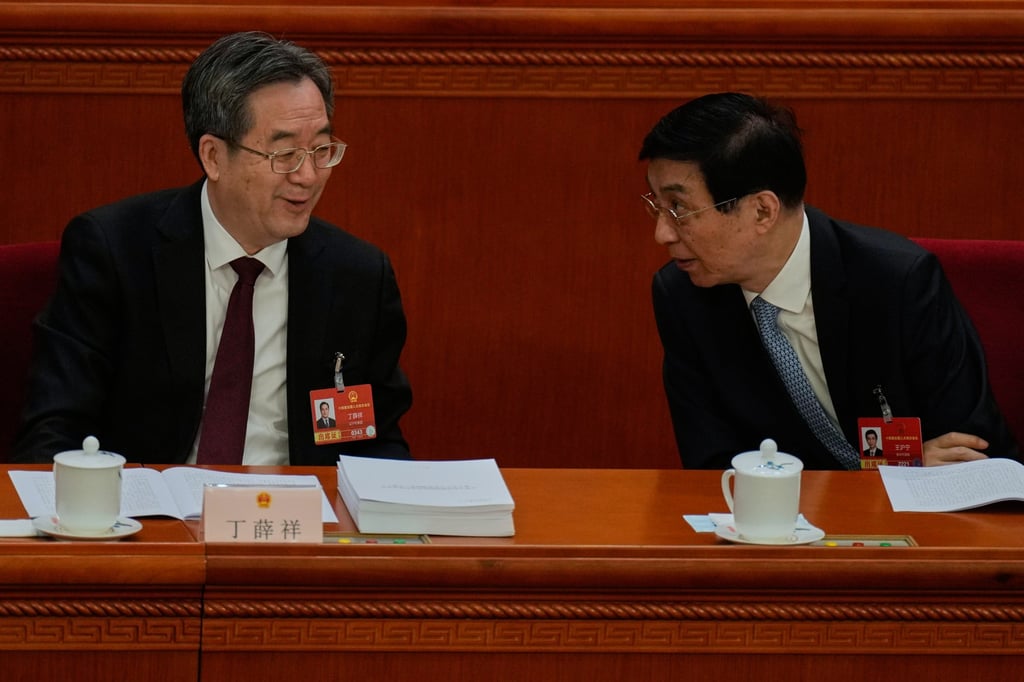
Beijing knows this. Chinese Vice-Premier Ding Xuexiang has emphasised that implementing an executive-led governance system in Hong Kong is a “shared responsibility”. The legislative and judicial branches, and society as a whole, must support the model.


