Germany and France drop joint fighter jet project
Failure to reach an agreement underscores the struggles Europe has faced in rebuilding its military capacity after decades of underinvestment.
Defense News
75
2 min read
0 views

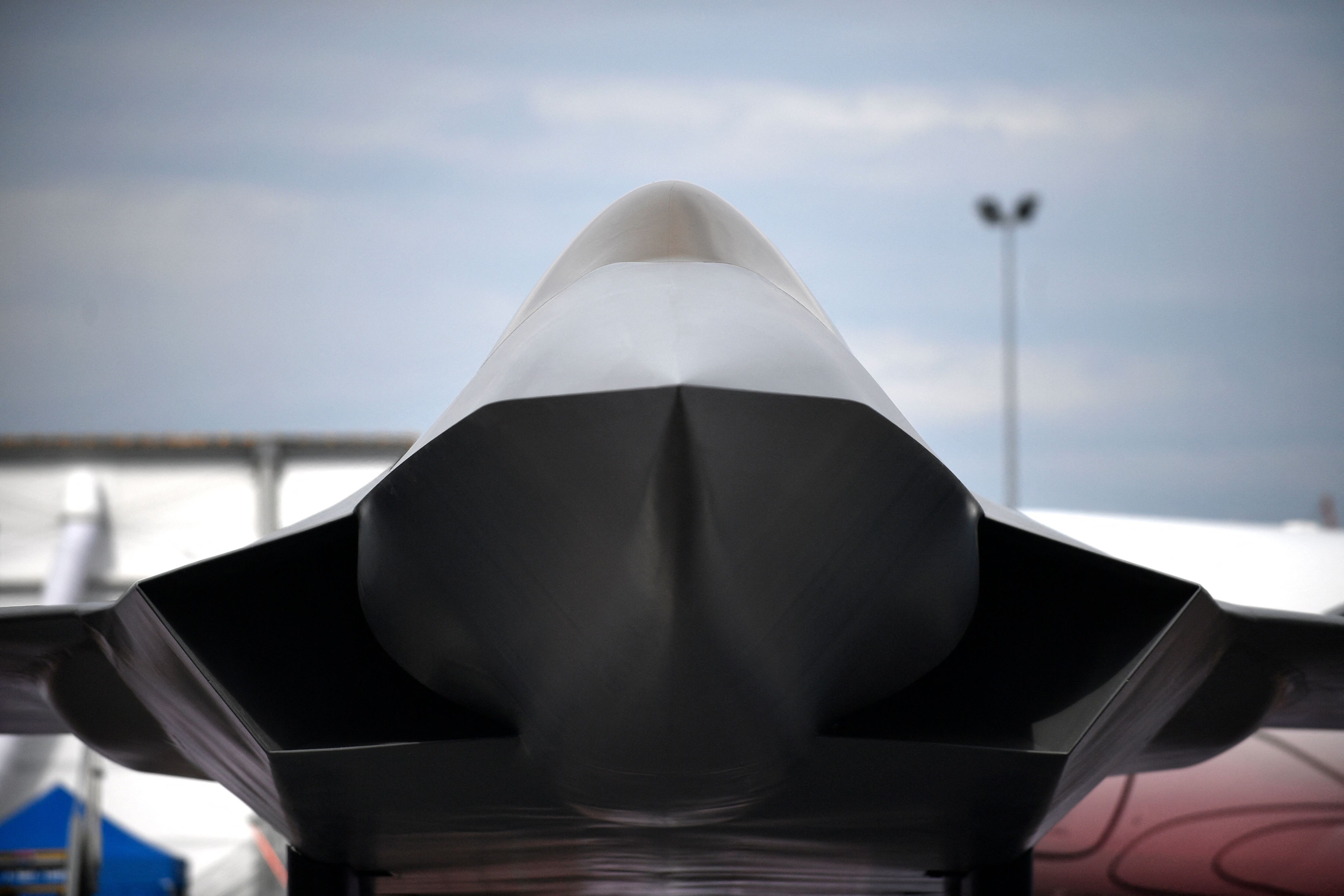
Failure to reach an agreement underscores the struggles Europe has faced in rebuilding its military capacity after decades of underinvestment.
BERLIN — The leaders of France and Germany have agreed to scrap a landmark project to develop and build a new-generation fighter jet, two German officials said on Monday, ending one of Europe’s most ambitious defense programs.
German Chancellor Friedrich Merz and French President Emmanuel Macron discussed the troubled project on the sidelines of the EU-Western Balkans summit in Montenegro last week and concluded there was no prospect of breaking months of deadlock, the officials said.
Failure to reach an agreement on the €100-billion ($116 billion) project underscores the struggles Europe has faced in rebuilding its military capacity after decades of underinvestment.
The project, which centers on a core fighter jet supported by drones and linked by a classified “combat cloud,” had been in doubt for months as the two sides have wrangled over specifications and control.
A European source briefed on the matter said the two sides were moving towards a face-saving solution in which the remaining systems outside the core fighter, such as the “combat cloud” of highly secure links, would maintain the same name: Future Combat Air System or FCAS.
The compromise is mainly symbolic since FCAS is a generic name for such systems and not unique to this plan, but officials have been seeking a formula allowing Macron to relinquish the core fighter without having to declare the whole project dead.
Macron launched the project with former German Chancellor Angela Merkel in 2017. His office did not immediately return a request for comment.
Macron and Merz had tried for months to salvage the project and overcome differences between the main industry partners, European aerospace group Airbus AIR.PA, which represents Germany and Spain, and France’s Dassault Aviation.
As well as disputes over control and technological specifications, the two sides had widely differing requirements for the aircraft.
Merz has openly questioned whether developing a manned sixth-generation fighter jet still made sense for his country’s air force, and said Germany did not need a nuclear-capable jet that could land on an aircraft carrier.

The U.S. launched strikes against Iran on Tuesday after Trump said Tehran had shot down a U.S. Apache helicopter in the Strait of Hormuz.

“Knowing what we know today, we wouldn’t set up a program in this way again,” Pistorius said.

The list includes Northrop Grumman and several startups competing to supply low-cost payloads compatible with any drone design.
Joint Interagency Task Force 401 continues to share knowledge and best practices with World Cup host cities for countering illicit unmanned aircraft systems.