Here Is What Trump’s Gargantuan $1.5T Defense Budget Has In It
The U.S. military is pushing to make huge investments in many programs in Fiscal Year 2027, but also some notable cuts.
The post Here Is What Trump’s Gargantuan $1.5T Defense Budget Has In It appeared first on The War Zone.
The War Zone
75
12 мин чтения
0 просмотров
USAF
The TWZ Newsletter
Weekly insights and analysis on the latest developments in military technology, strategy, and foreign policy.
The rollout of the Trump administration’s defense budget for the 2027 Fiscal Year is underway, with approximately $1.5 trillion in total funding being requested. This is a whopping $445 billionabove what the U.S. military has received for the current fiscal cycle. That is a more than 40 percent year-over-year increase, which includes major planned boosts for aircraft, munitions, missile defense, shipbuilding, and other programs.
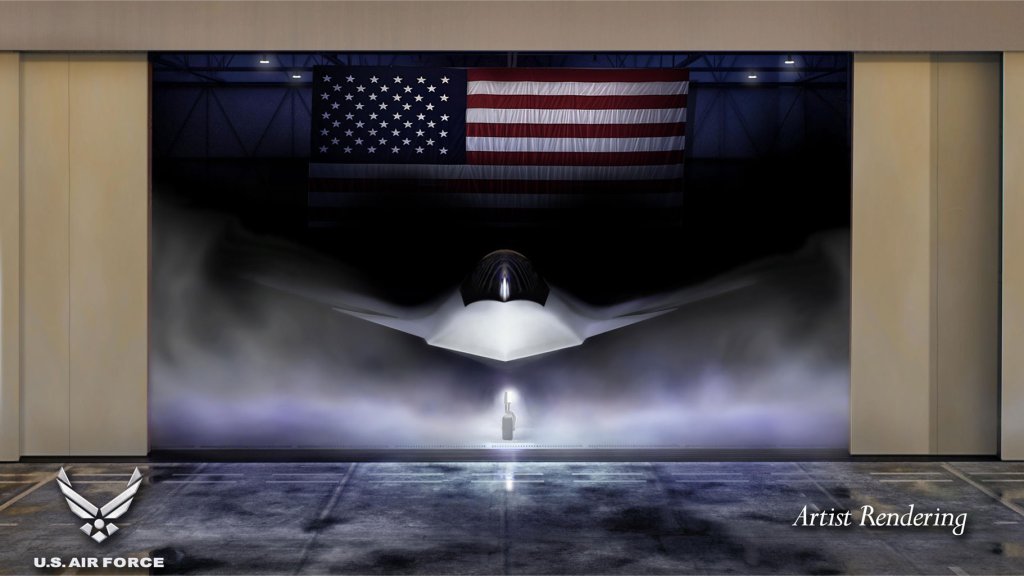
The US Air Force’s F-47 sixth-generation fighter, renders of which are seen here and at the top of this story, is one of the big winners in the proposed budget for the 2027 Fiscal Year. USAF
“The Budget builds upon the historic $1 trillion overall Defense topline for 2026,” according to an OMB fact sheet. “The mandatory funding protects key priorities such as providing flexibility in maturing technology for delivery and allowing for acquisition approaches for portfolios of capabilities that broaden opportunities for new entrants.”
It should be noted that the Pentagon has yet to release more granular documents for its Fiscal Year 2027 budget request, which often contain important additional context and nuance.
Still, there are already many significant takeaways about the proposed defense budget for the next fiscal cycle, which we will dive into below.
Aircraft
The Pentagon continues to be all-in on the Air Force’s F-47 sixth-generation fighter, asking for another $5 billion in funding, $1.5 billion more than the program received in Fiscal Year 2026.
Renderings that Northrop Grumman (left) and Boeing (right) have released of their competing F/A-XX designs. Northrop Grumman/Boeing
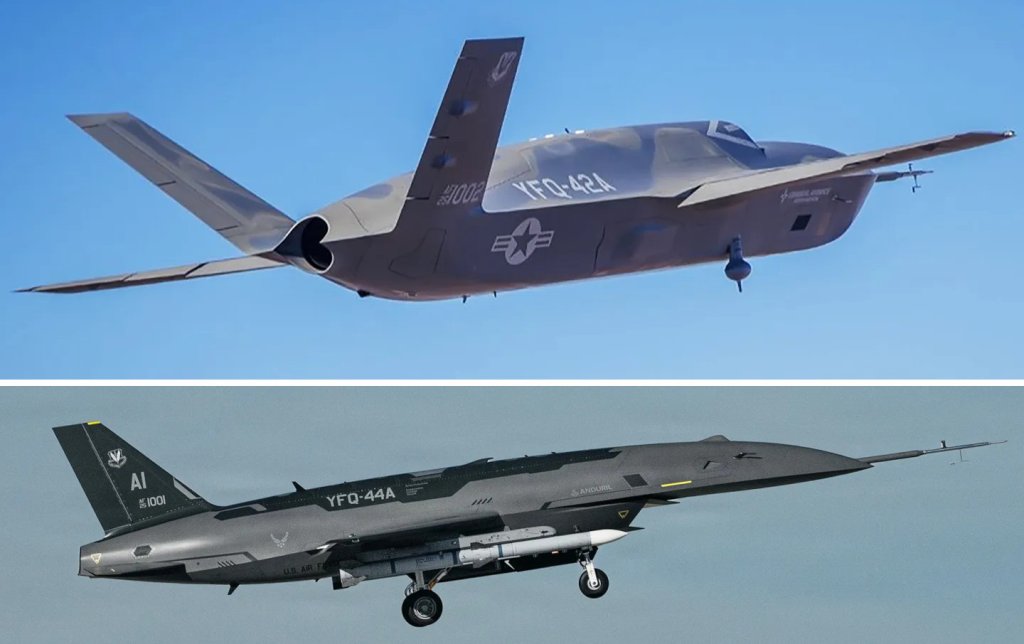
The latest budget request includes major Air Force funding related to Collaborative Combat Aircraft (CCA) drones, including nearly $1 billion in procurement money to actually begin buying them.
There is also $822 million in a separate procurement line for “Collaborative Combat Aircraft Mods,” terminology that typically refers to planned upgrades and other work on tangential capabilities.
The proposed budget includes almost $1.4 billion more for continued CCA research and development, as well.
Pictures of the YFQ-42A (at top) and YFQ-44A (at bottom) undergoing flight testing. GA-ASI/USAF courtesy photo
The budget documents appear to show a year-over-year cut of more than $4.2 billion to the B-21 Raider bomber procurement account, but the reasons for this are unclear. How many B-21s the Air Force has ordered to date and what the current estimated unit cost of the aircraft is are unknown. In February, the Air Force announced plans to accelerate B-21 production, which may be further bolstered by the opening of a second production line, and said its target fleet size of at least 100 bombers remained unchanged.
The Fiscal Year 2027 request for additional research and development funding through the Long Range Strike-Bomber (LRS-B) program account is largely unchanged from last year ($2.86 billion compared to $2.7 billion in Fiscal Year 2026).
B-21 Takeoff and Landing
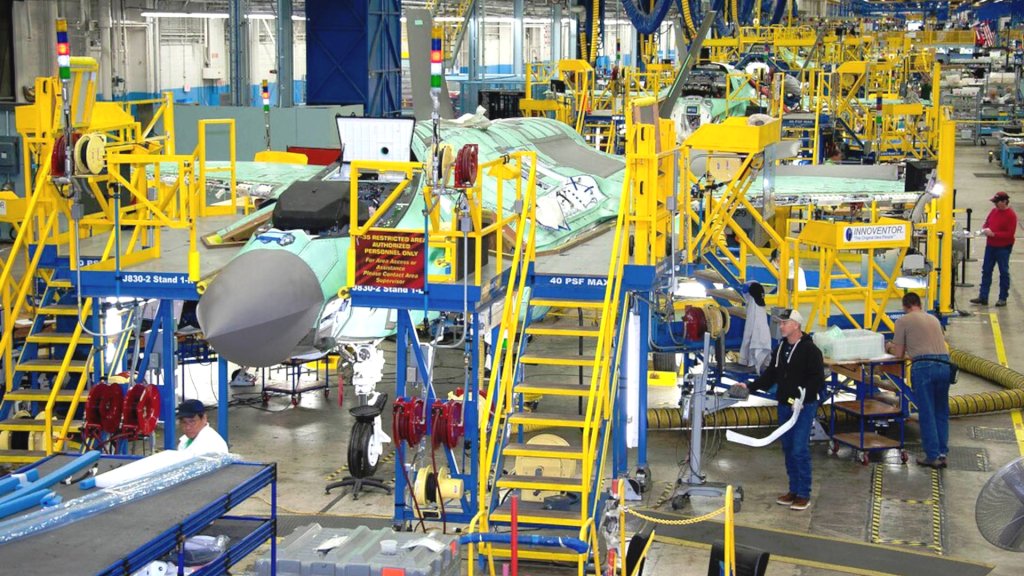
The 2027 Fiscal Year budget request also includes funding for the purchase of 85 F-35 Joint Strike Fighters (38 F-35As for the US Air Force, as well as 10 F-35B and 37 F-35Cs for the Marine Corps and the Navy). This is a notable uptick in planned F-35 acquisitions (47 F-35s of all types were funded in Fiscal Year 2026) amid worrisome delays in work on a new radar, as well as a host of other critical upgrades.
A view of the F-35 production line. Lockheed Martin
The Air Force is also seeking funding for another 24 F-15EX Eagle II fighters, but there are no details as yet about whether there may be any new changes to the planned total fleet size for those aircraft.
There are no requested funds for research and development or procurement related to the E-7 Wedgetail airborne early warning and control aircraft for the Air Force. Congress blocked a plan the Pentagon and the Air Force put forward last year to cancel the E-7 program and purchase more of the E-2D Hawkeye radar planes flown by the Navy in the interim, ahead of the fielding of future space-based capabilities, as you can read more about here.
Another fight over the E-7, which had been set to replace at least a portion of the Air Force’s dwindling number of aging E-3 Sentry Airborne Warning and Control System (AWACS) aircraft, looks to be on the horizon. Any discussions about the E-7’s future will now also be influenced by the added strains on the E-3 fleet (and the loss of one of those jets) as a result of Operation Epic Fury against Iran.
A rendering depicting an E-7 Wedgetail in US Air Force service. USAF
A previous budget line for the Air Force’s Next Generation Air-refueling System (NGAS) effort, which has been exploring stealthy tankers and other future aerial refueling capabilities, is notably closed out in the Fiscal Year 2027 proposal. Just over $13 million is included in what appears to be a new line for Advanced Tanker Systems, though how this relates to prior work on NGAS is unclear.
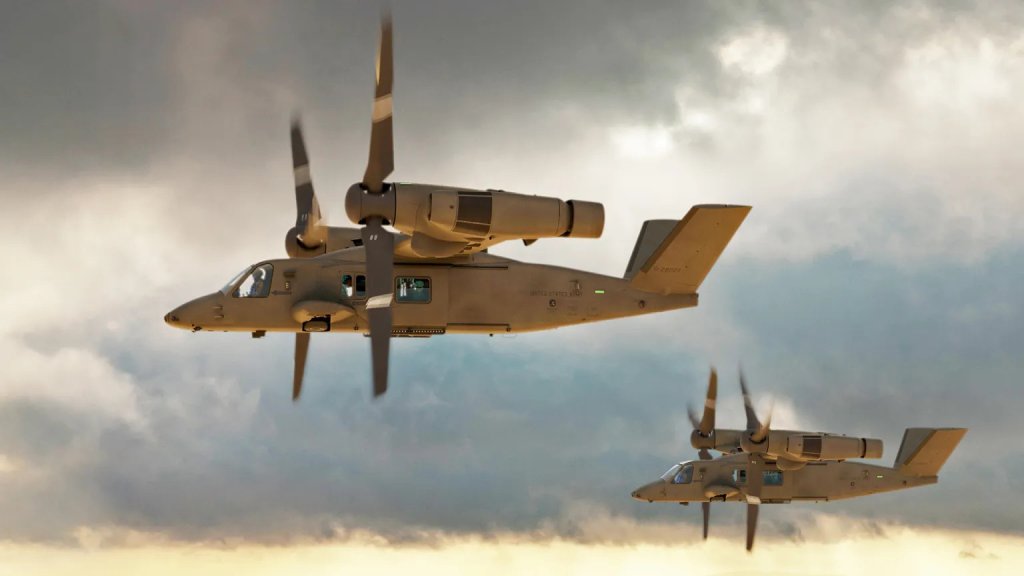
The Army is seeking $2.14 billion for continued research and development of its new MV-75A tiltrotor, also known as the Future Long Range Assault Aircraft (FLRAA), a roughly $610 million year-over-year increase. The Army is currently rushing the type into operation on a very truncated timeline.
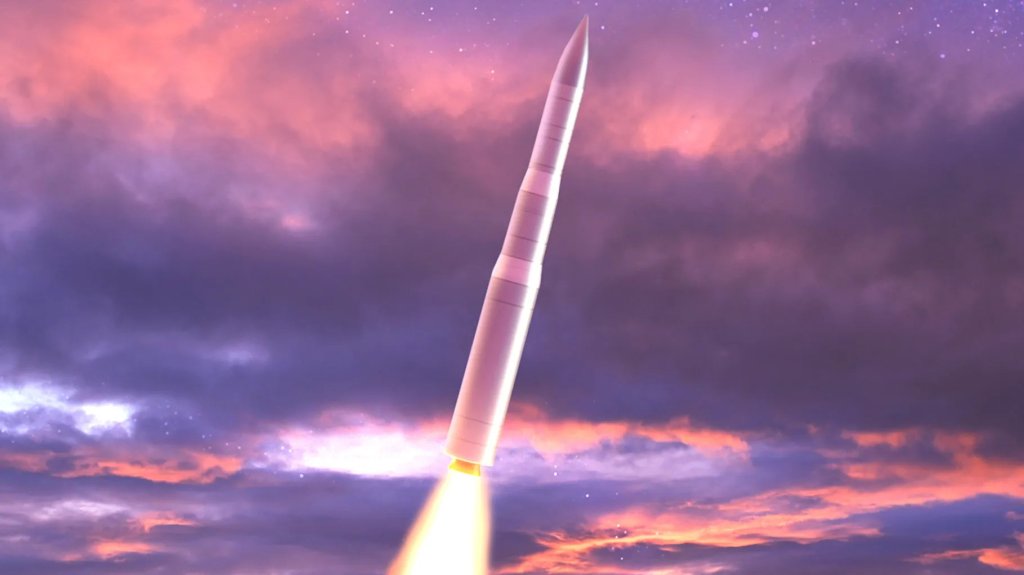
The LGM-35A Sentinel intercontinental ballistic missile (ICBM) program’s engineering and manufacturing development (EMD) budget is cut by around $300 million in the new proposed spending plan. As of February, Sentinel was still in the midst of a years-long restructuring effort after suffering huge cost overruns and delays.
A rendering of an LGM-35A Sentinel ICBM. Northrop Grumman
The Air Force and Navy are collectively asking for nearly $2.94 billion in procurement funds for new AIM-260 air-to-air missiles, also known as Joint Advanced Tactical Missiles (JATM), up from $894 million in Fiscal Year 2026. This is a sign the missile is entering full production.
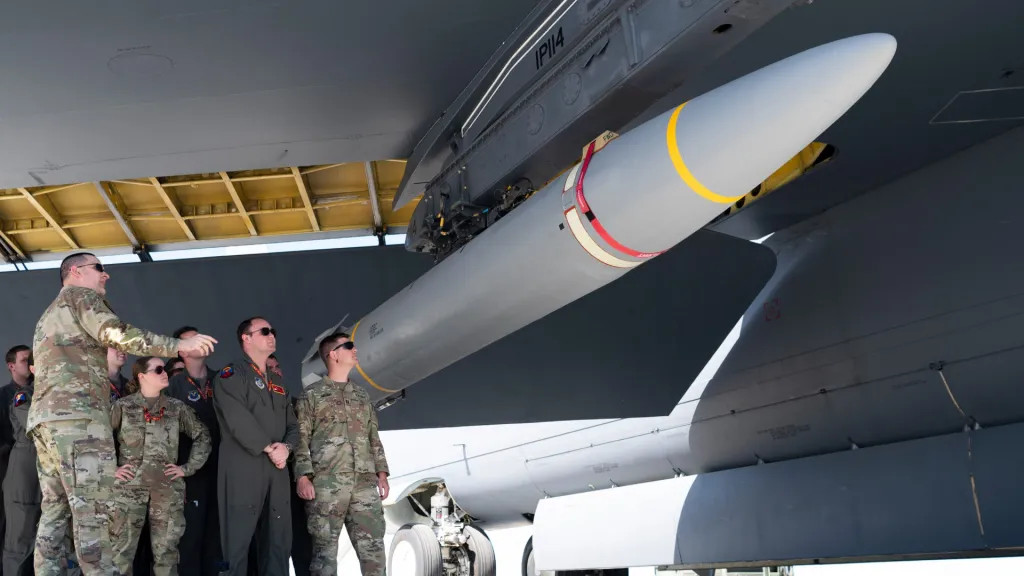
The service is also requesting $452 million to procure AGM-183A Air-Launched Rapid Response Weapons (ARRW), on top of just over $362 million received last year. ARRW is another hypersonic weapon that the Air Force had previously said it planned to cancel amid an initially checked test record.
A live AGM-183A missile under the wing of a B-52 bomber ahead of a test. USAF
The proposed defense budget for the 2027 Fiscal Year includes notable increases in the procurement of various other missiles and munitions already in service.
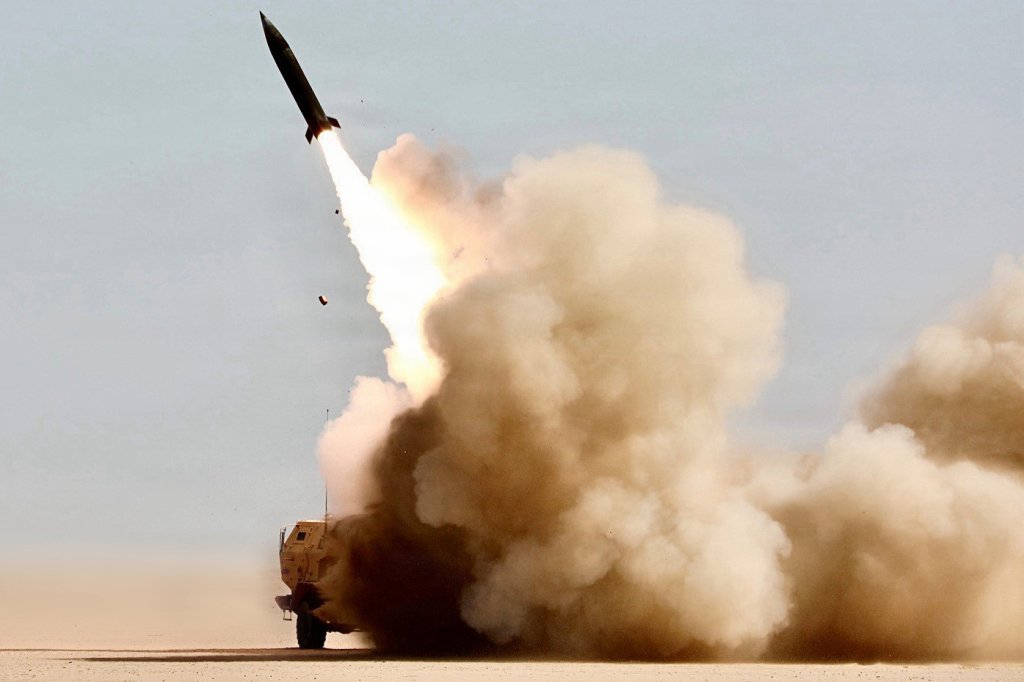
The Army is notably seeking funding to boost year-over-year purchases of Precision Strike Missile (PrSM) short-range ballistic missiles from 108 to 1,134. PrSM made its combat debut in recent operations against Iran.
A PrSM missile is seen here being fired at an Iranian target during Operation Epic Fury. CENTCOM
The Navy is requesting approximately $65.8 billion to procure 34 ships in Fiscal Year 2027. This is the largest shipbuilding budget, when adjusted for inflation, since 1962, according to USNI News.
This includes 18 so-called “Battle Force” ships, as well as 16 other vessels. In Navy parlance, the Battle Force refers collectively to the service’s fleets of aircraft carriers, submarines, major surface combatants, and amphibious warfare ships, as well as combat logistics vessels and some other types of auxiliaries.
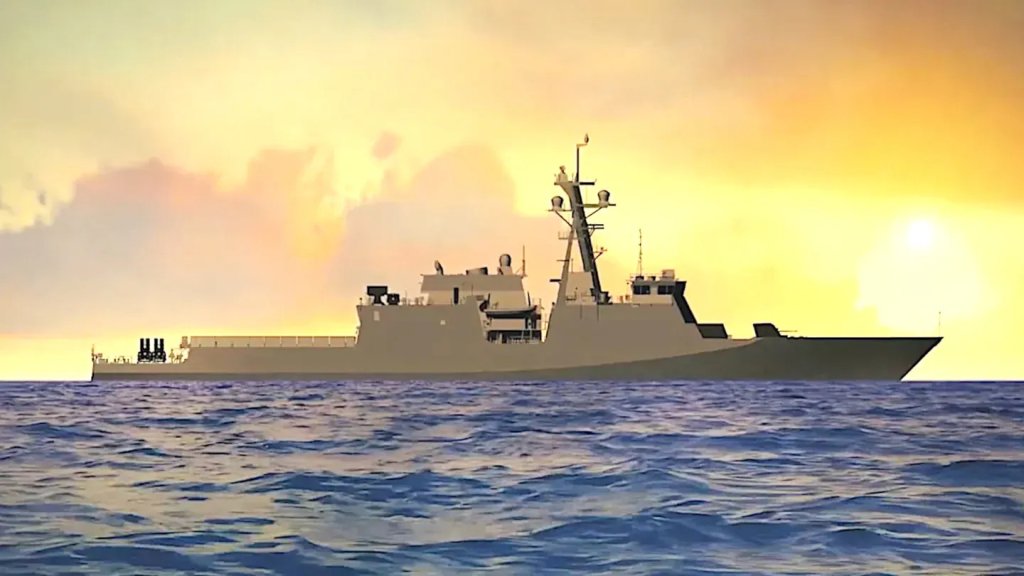
On the surface warfare front, funds for an Arleigh Burke class destroyer and the first new FF(X) frigate are included in the proposed budget for the 2027 Fiscal Year.
A rendering of the Navy’s future FF(X) frigate. USN
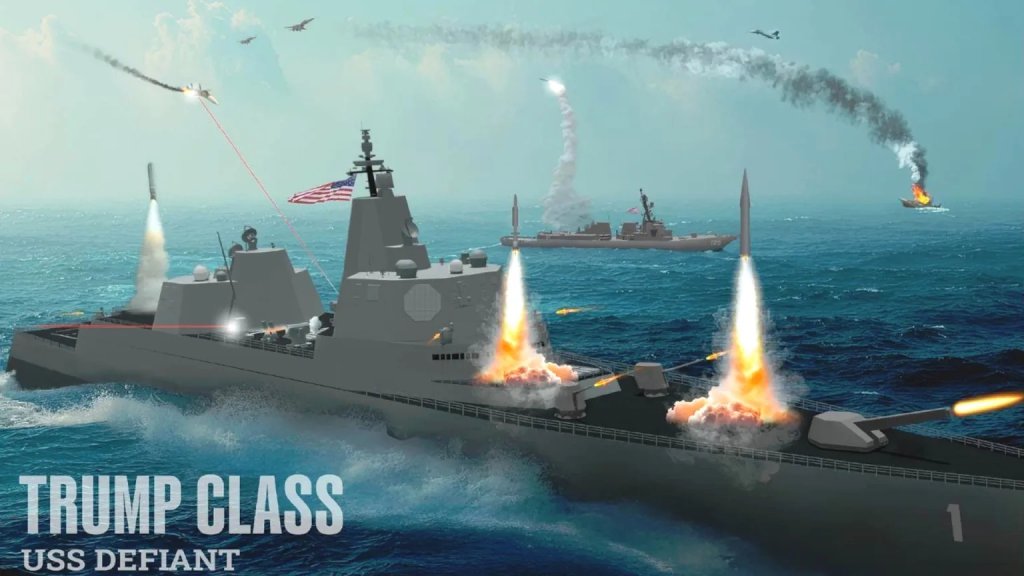
The Navy is also asking for $1 billion to support advanced procurement of the first Trump class “battleship,” also known as the BBG(X), and set to be christened the USS Defiant.
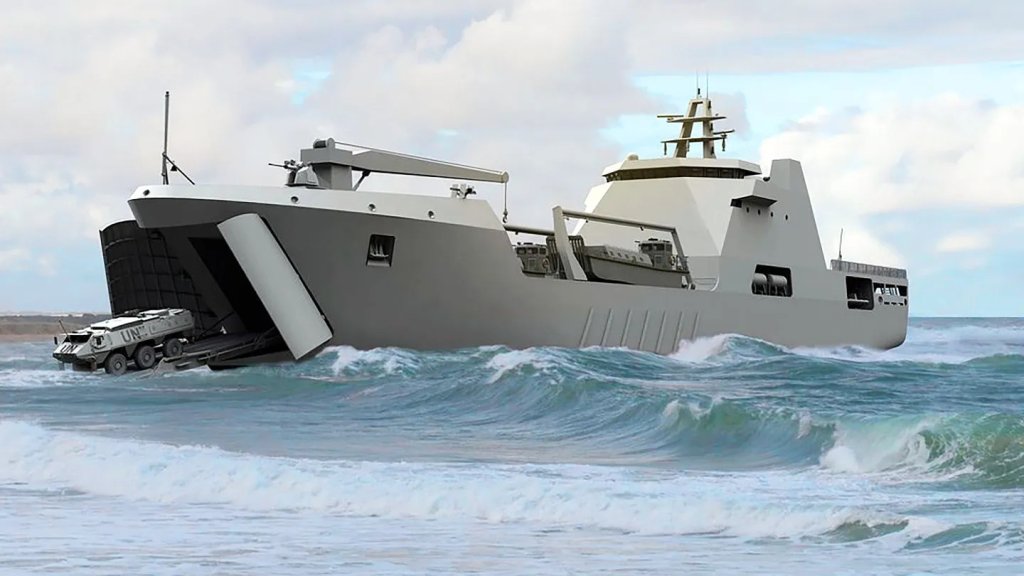
Beyond the Navy’s shipbuilding plans, there are requested funds for “five vessels for the Army and the Coast Guard,” according to an OMB fact sheet, further details about which are not immediately apparent.
A rendering of the Trump class battleship. USN
Golden Dome and the push toward space
The Fiscal Year 2027 budget proposal includes $17.5 billion in new funding for the Golden Dome missile defense initiative. Golden Dome is a very large effort with many different components, including planned new sensor architectures and space-based interceptors. The Missile Defense Agency has already established a contracting mechanism with a pool of more than 1,000 vendors to support work related to Golden Dome.
Lockheed Martin
The Space Force is a bigger winner in the new budget proposal, overall, with its topline rising nearly 80 percent, year-over-year, from $40 billion to $71.2 billion.
The Space Force’s 2027 Fiscal Year budget request includes a new procurement line for Space-Based Air Moving Target Indicator (AMTI) capability, for which the service is seeking more than $7 billion.
Space-based AMTI and GMTI sensor systems are chief among the surveillance capabilities the U.S. military wants to increasingly push into orbit, as you can read more about here. Historically, AMTI and GMTI coverage has been provided by aircraft, and space-based developments factor directly into the aforementioned discussion about the future of the E-7 Wedgetail.
There is also an all-new procurement line item requesting $1.56 billion for Proliferated Low Earth Orbit Satellite Communications (SATCOM).
It should be stressed here that the Pentagon’s Fiscal Year 2027 budget request is just that. Members of Congress routinely intercede to add or remove funding for different programs, and it typically takes months for an annual defense spending plan to be passed and signed into law, and then even more time for money to be appropriated to pay for it. In addition, this latest proposed defense budget relies heavily on legislators signing off on additional funds through the reconciliation process.
The Trump administration is expected to also make a separate request for billions more in supplemental funding related to operations against Iran, including to restock key munitions. Officials originally expected to seek $200 billion for that purpose, but more recent reports say that figure could now be down to between $80 and $100 billion.
As already noted, our understanding just of different aspects of the defense budget proposal for the 2027 Fiscal Year itself will evolve in the coming weeks as more granular details are released.
Still, the $1.5 trillion defense spending plan the Trump administration has put forward already sets an important tone as it seeks to substantially increase funding for a host of key programs. At the same time, its unprecedented size could present challenges to getting it approved.