North Korea’s community doctor system draws skepticism as healthcare shortages persist
North Korea’s authorities have been promoting the country’s community doctor system as a pillar of preventive healthcare in 2026, but people across the country say the push amounts to little more than routine hygiene lectures and data collection, with actual treatment conditions remainin
Daily NK
75
4 min read
0 views

North Korea’s authorities have been promoting the country’s community doctor system as a pillar of preventive healthcare in 2026, but people across the country say the push amounts to little more than routine hygiene lectures and data collection, with actual treatment conditions remaining as poor as ever.
A Daily NK source in South Pyongan province reported on Tuesday that medical workers attached to clinics in Kaechon city have been making rounds of factories, schools, and neighborhood watch units to deliver hygiene education campaigns. During these visits, medical workers urge people to follow basic disease prevention practices such as boiling drinking water and washing their hands frequently, with a focus on respiratory illnesses, skin conditions, and infectious diseases common during seasonal transitions.
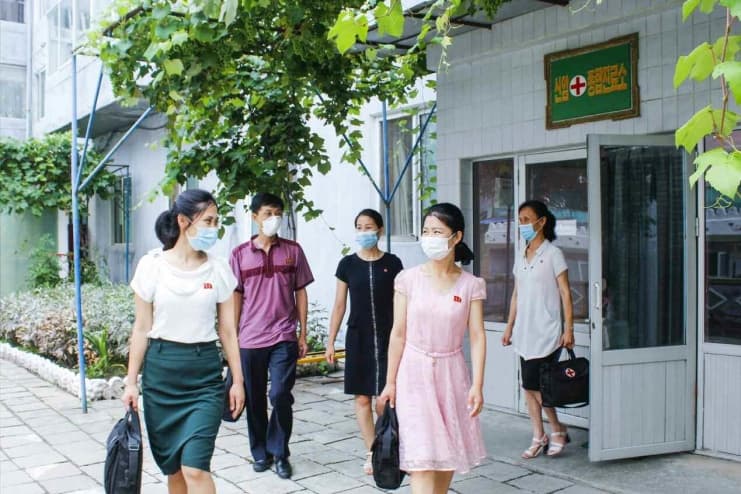
The community doctor system, known in North Korean policy terminology as the doctor-responsible-district system, assigns medical workers to designated geographic zones and population groups. Under the system, doctors are responsible for monitoring the health of everyone in their assigned area, functioning as the state’s primary interface between the healthcare system and the general public.
Alongside the hygiene lectures, medical workers have been conducting detailed surveys of individuals’ health status, cataloging which illnesses people have, whether they are receiving treatment, and what their current condition is. Medical workers have described this data collection as foundational work for building a community health management system.
‘All supervision and no help’
The response among Kaechon residents has been largely skeptical. “What good does repeating hygiene propaganda do when you can’t get proper treatment at the clinic anyway?” the source said, summarizing the reaction of most people in the area. Many expressed frustration that the activity feels performative, with no corresponding improvement in access to medicine or medical care.
The source said that most clinics in Kaechon lack even basic medical equipment and emergency supplies. Each clinic typically operates with one or two doctors and three or four nurses, and the main services on offer are vaccinations and administering injections that patients have obtained privately. For many North Korean workers and their families, this means that even when a doctor comes to the door, meaningful medical intervention remains effectively out of reach.
The frequent health checks have also generated unease. Some people said they feel burdened by the constant monitoring of their personal health information, with complaints that the system amounts to “all supervision and no help.” Calls for the state to prioritize the actual supply of medicine and concrete treatment options over data collection have become a recurring refrain, according to the source.
Not all reactions have been negative. Some people noted that medical workers are now far more visible in their communities than they were in the past, and said the increased presence gives an impression that the state is at least trying to pay attention to public health. Among this group, the source said, there is a degree of cautious hope that the current push could eventually translate into tangible improvements in healthcare access. “People are saying they hope this kind of activity leads to an environment where you can actually get proper treatment when you’re sick,” the source added.
A Note to Readers


