Sea Viper upgrade passes halfway spend under Type 45 BMD plan
The UK is upgrading its Type 45 destroyers with a ballistic missile defence capability, although funding for the second phase is uncertain.
The post Sea Viper upgrade passes halfway spend under Type 45 BMD plan appeared first on Naval Technology.
Naval Technology
75
3 min read
0 views
The Royal Navy’s Type 45 air defence destroyers are undergoing a programme to provide the class with ballistic missile defence capability.
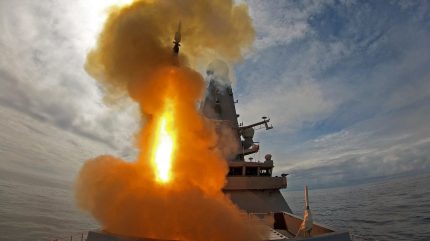
Type 45 destroyer HMS Defender firing an Aster missile in 2019. Credit: UK MoD/Crown copyright
MoD has spent £218.6m of £405m on Sea Viper upgrades for Type 45 ballistic missile defence
Capability One improves Aster 30 and ship sensors; Capability Two will assess the newer Aster 30 Block 1NT
Full capability is aimed for 2032, amid ongoing Type 45 repair and availability problems
The UK Ministry of Defence (MoD) has spent more than half the funding set aside for the Sea Viper Capability One programme, intended to upgrade the Royal Navy’s Type 45 destroyers with a ballistic missile intercept capability.
According to a 24 April response by the UK Government, as of 13 April 2026 the project had spent £218.6m ($292.7m) from a current commitment of £405m in manufacture and delivery funding.
This funding is planned to cover Sea Viper Capability One, which is the provision of an entry-level anti-ballistic missile capability and the assessment phase of Capability Two, where each Type 45 destroyer is able to perform theatre-level ballistic missile defence (BMD).
“The cost of delivering and manufacturing the Capability Two upgrade will be negotiated in due course,” said Luke Pollard, UK Minister for Defence Readiness.
Outlining the BMD aspirations for the Type 45 Sea Viper upgrades, the Royal Navy said in 2024 that the initial stage, Capability One, will upgrade the service’s existing Aster 30 missiles to the Aster 30 Block 1 standard, which will enable defence against anti-ship ballistic missiles.
Under Capability One, additional modifications were to be made to the Type 45 fleet’s Sampson air defence radar, command and control, and combat management systems.
The subsequent stage of the Sea Viper evolution will evaluate the introduction of the new Aster 30 Block 1NT missile. Currently under development with France and Italy, the missile features a new seeker to boost ballistic missile defence capabilities of the UK’s Type 45 destroyers.
The upgrade programme for the Type 45 destroyer fleet is projected to achieve full operational capability by autumn 2032.
In May 2025 the Type 45 Destroyer HMS Dragonintercepted a hypersonic test missile during Exercise Formidable Shield in the Hebrides range off the coast of Scotland.
Type 45: the sick man of the fleet
The Type 45 class is also undergoing an extensive propulsion rectification programme, known as the PIP, to fix long-standing issues related to operations in hot and humid environments. In addition, the class will integrate an additional 24-cell silo for the Sea Ceptor surface-to-air missile system, expanding the current 48-cell configuration.
Through a combination of PIP programme needs and Sea Viper upgrades, coupled with existing serviceability issues, the Type 45 destroyers have gained a degree of notoriety as requiring as much time undergoing repairs as spent available or on operations.
The lead ship, HMS Daring, is expected to return to service later in 2026 after more than nine years alongside. Having been commissioned into Royal Navy service in 2009, the destroyer has spent the majority of its service life undergoing repairs of one sort or other.