The mines, which were laid by small boats and without a clear record of where they were placed, make the Strait of Hormuz almost impossible to transit.
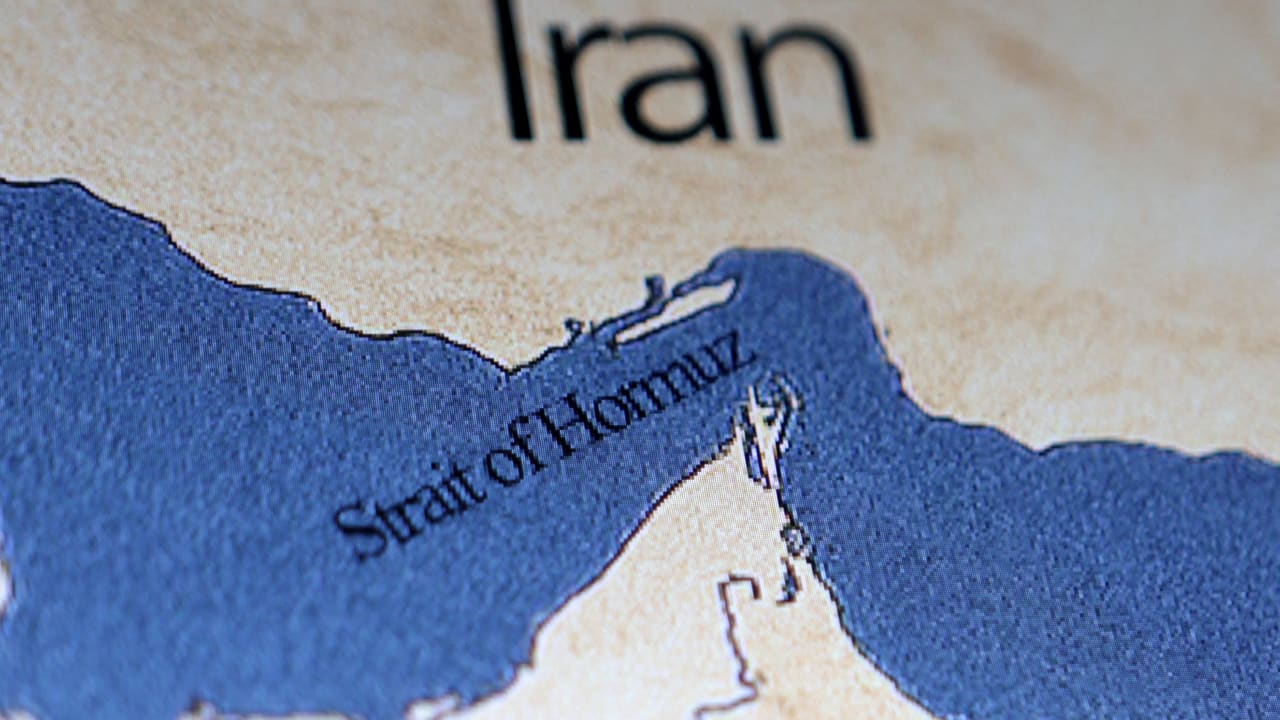
Iran reportedly lost track of the locations of mines deployed in the Strait of Hormuz and has no clear idea of where all the mines were placed, US officials told the New York Times on Friday.
The report points out how Iran used decentralized forces during the conflict and to close the Strait, with small boats leading the operations to mine the waterway, and without a clear command chain on how to do it.
These make the Strait of Hormuz, one of the world's main oil waterways, through which 20% of global consumption passes, almost impossible to transit.
The only option that ships have right now is to take a detour on Iranian waters, where Iranian officials plan to charge a $2 million toll to all ships planning to cross, according to the 10-point negotiation demand sent to the US by the regime.
The officials call the mining of the Strait an action done "haphazardly," with intel showing that Iran doesn't have a clear idea of where each mine was placed.

Additionally, the NYT notes that neither the US nor Iran currently has the needed tools to remove the marine mines, with the main American minesweeping vessels not present in the Strait, while Iran lacks any concrete way to reopen the waterway.
The continuation of this situation is seen as the main sticking point in the negotiations, with US President Donald Trump on Tuesday demanding the "complete, immediate, and safe opening" of the Strait of Hormuz as a basis to begin negotiations between the two countries.
Later on Friday, Trump said that Iran's only choice was to negotiate, calling the closure of Hormuz a "short-term extortion of the world."
Strait of Hormuz traffic remains way below normal average
According to the specialized site MaritimeTraffic, the Strait of Hormuz saw an increase in the number of vessels transiting it, with nine ships coming and going on Thursday.
Even though it represents almost double the number of ships reported the previous day, it is still well below the prewar average, which was usually over 130 vessels per day.
The report notes that, due to the lack of traffic, the operational risk on the Strait remains largely unchanged, with movement still dependent on Iranian approval to transit the waterway within Iran's territorial waters.
The main differential is that no new attacks were reported, with Iranian drone and rocket strikes being one of the main concerns -alongside marine mines- of ships transitioning the Strait.