The TWZ Newsletter
Weekly insights and analysis on the latest developments in military technology, strategy, and foreign policy.
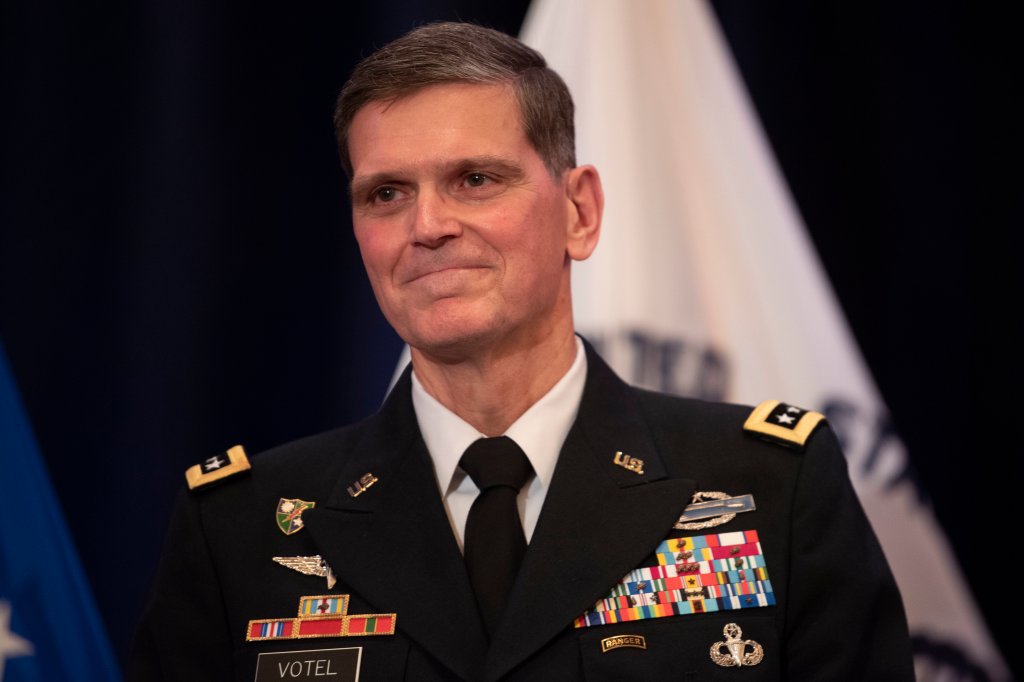
Retired Army General Joseph Votel offers unique insights into what it will take to wrestle the Strait of Hormuz from Iran's clutches. The post Former CENTCOM Commander’s Candid Take On The Situation In The Strait Of Hormuz appeared first on The War Zone.

The TWZ Newsletter
Weekly insights and analysis on the latest developments in military technology, strategy, and foreign policy.
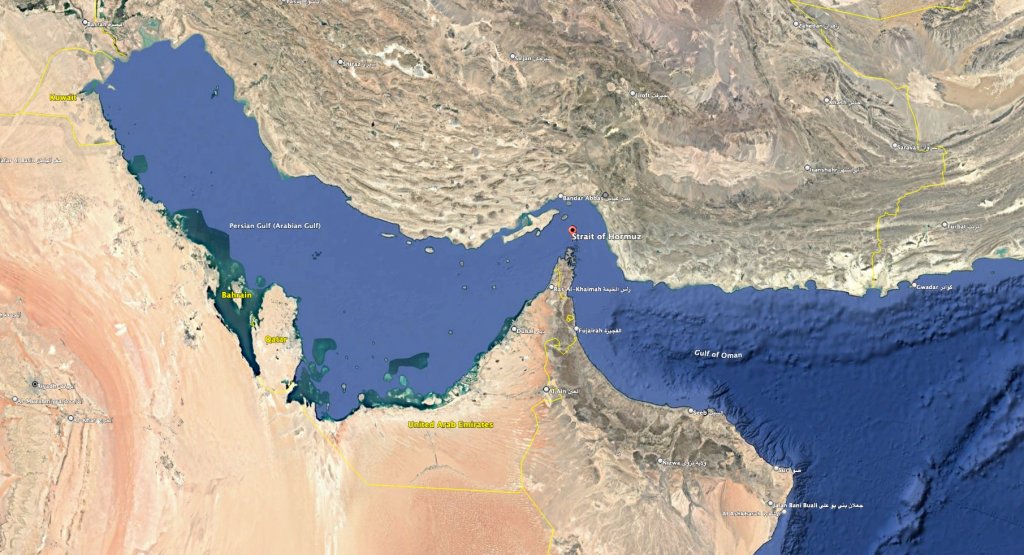
Few people know the Middle East as well as Joseph Votel. From March 2016 to March 2019, the retired Army general served as the commander of U.S. Central Command, overseeing American military operations in the region. A big part of that job was planning for contingencies like what would become Operation Epic Fury, and especially how they would affect the massively strategic waterway that joins the Persian Gulf and the Gulf of Oman — the tumultuous Strait of Hormuz. This waterway, in which about 20% of the world’s oil passes, is currently shutdown by Iran.
In the first part of our wide-ranging exclusive interview with Votel, we focus on what is happening in the Strait. The author transited the Strait with Votel, now a Distinguished Military Fellow at the Middle East Institute, in 2016 and got a first-hand look as Iranian ships shadowed the USS New Orleans.
Some of the questions and answers have been lightly edited for clarity.
Q: How surprised were you that the Iranians closed the Strait of Hormuz, attacked shipping and Arab nations?
A: I’m not particularly surprised. I expected that they would attack some of the Gulf partners, but I did not think they would go after civilian targets. I thought they would go after military installations, particularly our military installations in most countries, but going after things like hotels and civilian airports, things like that, I think was, was not expected. I was a little surprised that they would do that. I think we certainly expected them to respond to it and of course, trying to shut down the Strait of Hormuz, I think was very expected.
Q: Did you expect that?
A: Oh yeah.
Q: Why?
A: Because it’s their principal advantage. They control that terrain. They have the advantage over the Strait of Hormuz. They know it’s a critical choke point. They know it’s a pain point for many, and they knew it would cause the discussion that it’s causing right now.
Q: How much pain do you think the Arab allies can sustain during this fight?
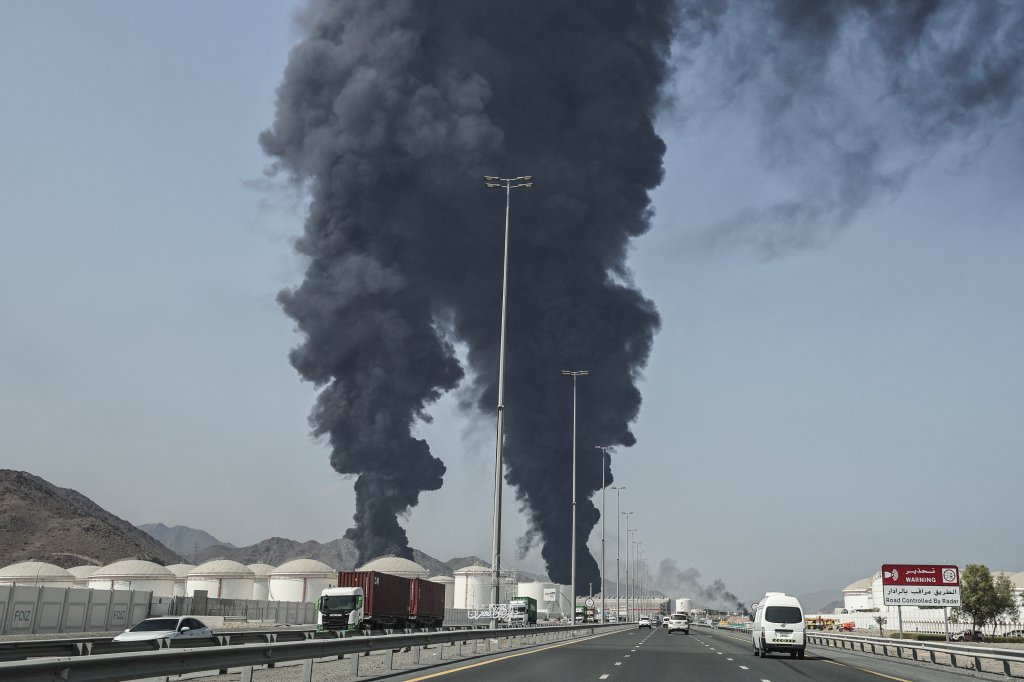
A: Well, I think they’re actually proving pretty resilient right now and they’re doing a good job defending themselves. Some of [the missiles and drones] are getting through, but it hasn’t been catastrophic in terms of that. Obviously, some damage… That’s not good. But they’re doing a pretty good job of defending themselves.
And I think as you have seen from some of the open source reporting today, some of the Arab countries are beginning to run out of patience here, Saudi Arabia, the Emirates, of course, and we may see them lash back out. But they are also watching very carefully what the United States is doing, along with the Israelis, and they see that we are striking back very, very hard at the Iranians. So I think that that helps them to be a little bit more patient. We haven’t stepped away from this. We’re still very, very engaged, and I think that allows them to be a little bit more patient as we work through this.
Q: How feasible or not is a mission to escort ships in the Strait and de-mine it? What are the challenges and dangers of that?
A: Well, first of all, it’s very feasible. The United States Navy has a history of doing this kind of stuff, and they have, for the most part, all the resources that are required for this.
I think the most important thing to appreciate before we really kind of get into the Strait of Hormuz here, is to appreciate what’s preparatory to doing all that. We really have to kind of finish this campaign that’s already been started. That is focused on reducing the Iranian capabilities to a very significant degree. And that’s what’s happening right now.
I think we need to appreciate that CENTCOM is executing a war plan here that’s going to take some weeks to destroy the military capability, and then they will be in a position – they’ll set the condition, so to speak – so they can actually go and reopen the Strait of Hormuz, and then direct and escort tankers through there.
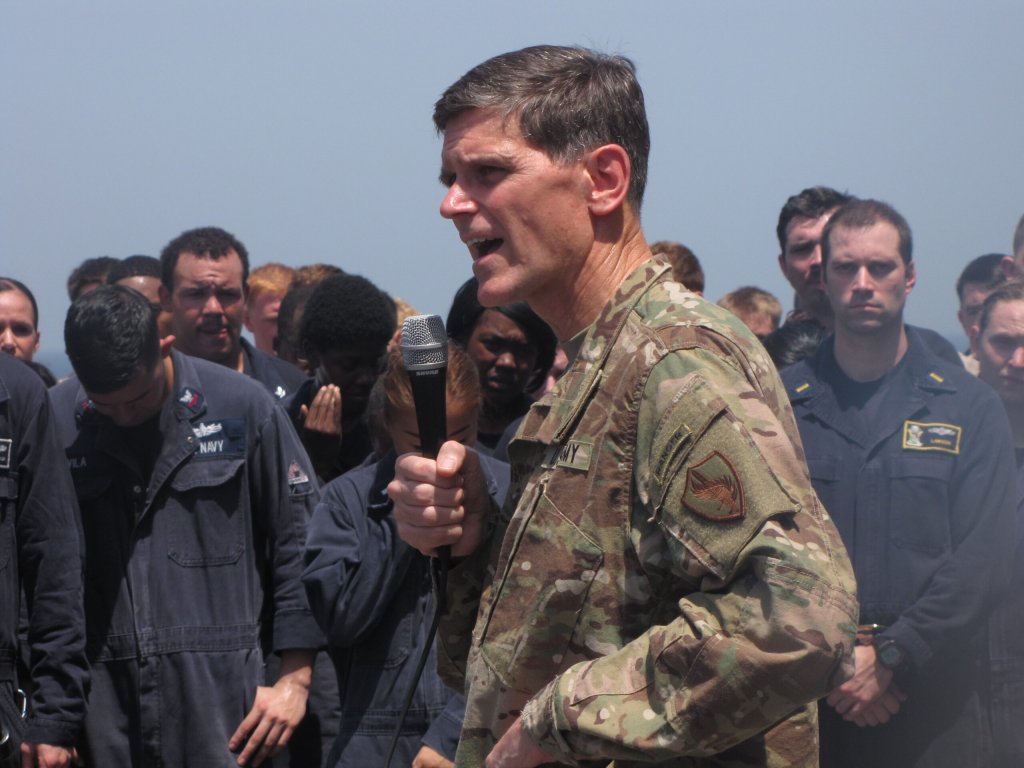
For the most part, we have all the resources that we need for that. As I mentioned, it might be helpful to get some additional resources from our international partners. And I’m not sure that’s going to happen based on some of the politics around all that and how we engaged and not engaged them in the lead up to this. But the United States Navy and Marine Corps and other joint services are, I think, are fully prepared to do that.
Q: Have the engagements we’ve had with foreign nations been helpful or hurtful or the ability to draw in assistance for any escort effort?
A: Well, we’ve had a pretty adversarial discussion going on, particularly with our European allies for at least the last 12 to 14 months with them. We haven’t really sent a positive signal. And the whole thing about Greenland and getting everybody fired up over that, and pushing that kind of thing, I think really gave some pause to them.
And of course, you know, there’s continuous rhetoric coming from across the administration towards this, and in the lead up to this, we apparently didn’t do any kind of consultation with any of our partners that we expected would be impacted by this, or whose resources we thought we would need.
WATCH: German Defence Minister Boris Pistorius:
We did not start this war.
What does the world expect, what does Donald Trump expect from a handful or two handfuls of European frigates to achieve there in the Strait of Hormuz, which the powerful American Navy cannot manage… https://t.co/lO4WR2zly3 pic.twitter.com/MWwu3U4xyS
Now, coming back after things have been joined and they haven’t been consulted, I think makes it really, really hard for us to get them involved. And I think it makes it hard for those international partners to sign on with this readily, very, very readily, without a lot of debate and understanding what they’re getting into. So we really didn’t set the conditions very well for if we thought we needed international support on this.
And we usually do. I mean, that’s a normal thing that we do. We generally always try to fight as a coalition, because it gives us credibility. It gives us additional resources. And it kind of helps share the burden a little bit, and it makes everybody feel like they’re part of the solution to this. But in this case – with the exception of Israel – we pretty much chose to go it alone.
Q: We talked about the importance of keeping the Strait open while we were transiting it when you commanded CENTCOM. What’s your worst case scenario for the Strait now, given the current situation?
A: I think the worst case now would be if we’ve found positive evidence of the Strait being mined… That would really extend out the time [for opening the Strait]. We probably have to assume that there are mines in there right now. But a serious mining effort by Iran could really complicate and slow things down.
Mine clearing is very deliberate. It’s very slow. It’s very frustrating. It’s that way if you’re doing it on land, and it’s that certainly if you’re doing it at sea. So to me, I think that kind of represents the most challenging thing that we would have to deal with. I mean, we can get [combat air patrols] Air CAPs up over this. We seem to be doing a good job going after missiles and drones and shore-based systems. We’ve destroyed a lot of the Iranian Navy and the IRGC Navy, and we can continue to ping on [Fast Attack Craft] FACs and [Fast Inshore Attack Craft ] FIACS – things like that that they might send in there.
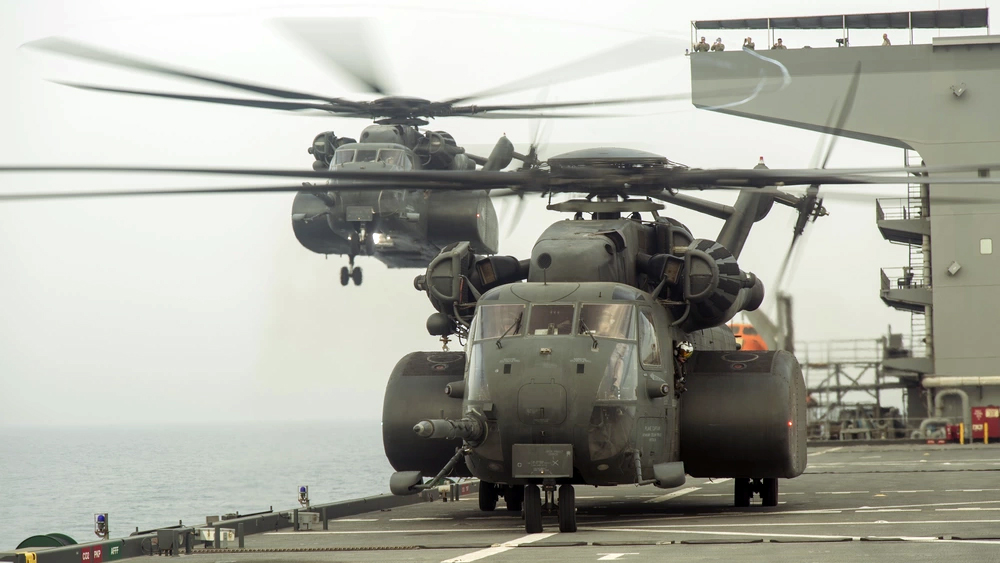
But the mines, I think, are a really, really hard issue. And when we think about one of these big tankers, so they are just really vulnerable, they’re thin-hulled, getting into this very narrow traffic scheme that’s there – two miles wide, right in the middle of the Strait and then hitting a mine and being disabled on the spot. Not only will we have a mine problem, we have a disabled ship problem and an ecological disaster, and a whole bunch of other things there. So in my view, I think the worst case situation kind of looks like a deliberate mining effort by the Iranians.
Q: Can the Gulf allies protect the Strait on their own? Some have expressed fear that the U.S. could end Epic Fury before the Strait is secured.
A: I don’t know. I don’t think so. They are a little dated in some of their capabilities. There hasn’t been a huge investment in the resources that would be necessary for keeping the Strait open in an armed conflict scenario. You need destroyers. You need a bunch of them. You need to be able to maintain several air CAPS up over it. You need to have extensive ISR. You need to have boarding parties. You need to have all the other stuff, like mine sweepers.
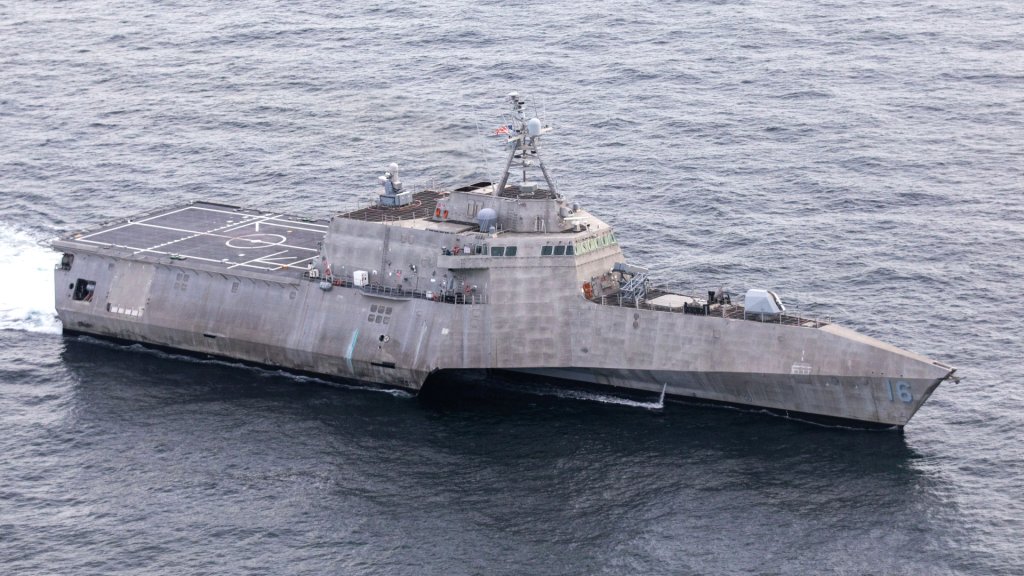
And I don’t know that they have that. They may have all the pieces and parts of it across some of the Gulf countries, although I doubt they have the number of frigates that would be needed. But then bringing that together, they don’t necessarily have a great history of coming together for these kinds of things and combining these capabilities under a unified command other than the United States. I think it would be a challenge for the Gulf partners to be able to do that.
In our next segment, Votel talks about the highly strategic Kharg Island and how recovering uranium in Iran would be a more massive effort than most people think, among other topics.
Contact the author: howard@thewarzone.com

EU leaders have condemned Russian strikes on Ukrainian infrastructure that resulted in pollution of the Dnister River.

In the Sumy region, three people were killed and 13 others sustained injuries of varying severity over the past day as a result of Russian attacks.

A group of Finnish volunteers has delivered 12 ambulances to Ukraine that were previously used in Finland and that have been fully refurbished before being sent to support the country.

Ukraine’s air defense forces neutralized 133 drones launched by Russian troops against Ukraine since the previous evening. Enemy hits were recorded at 13 locations.