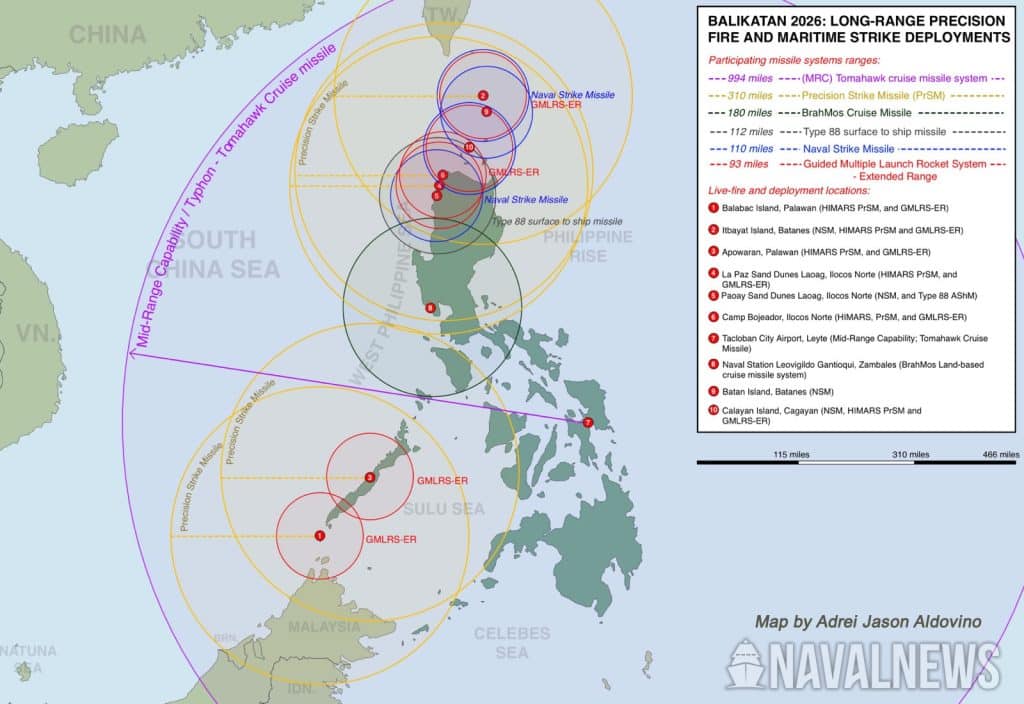
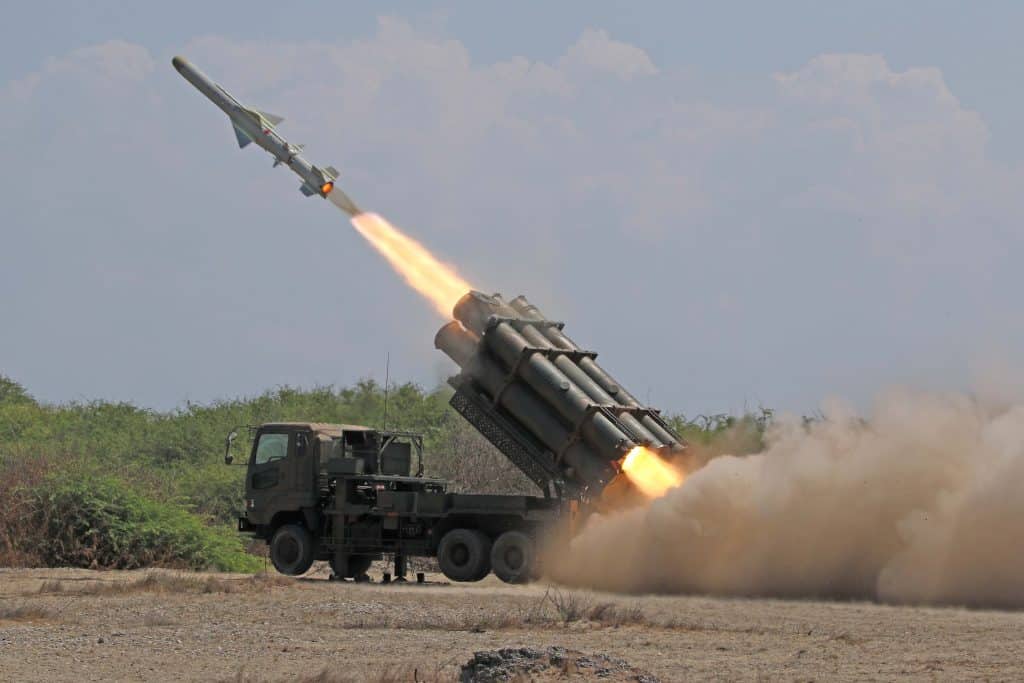
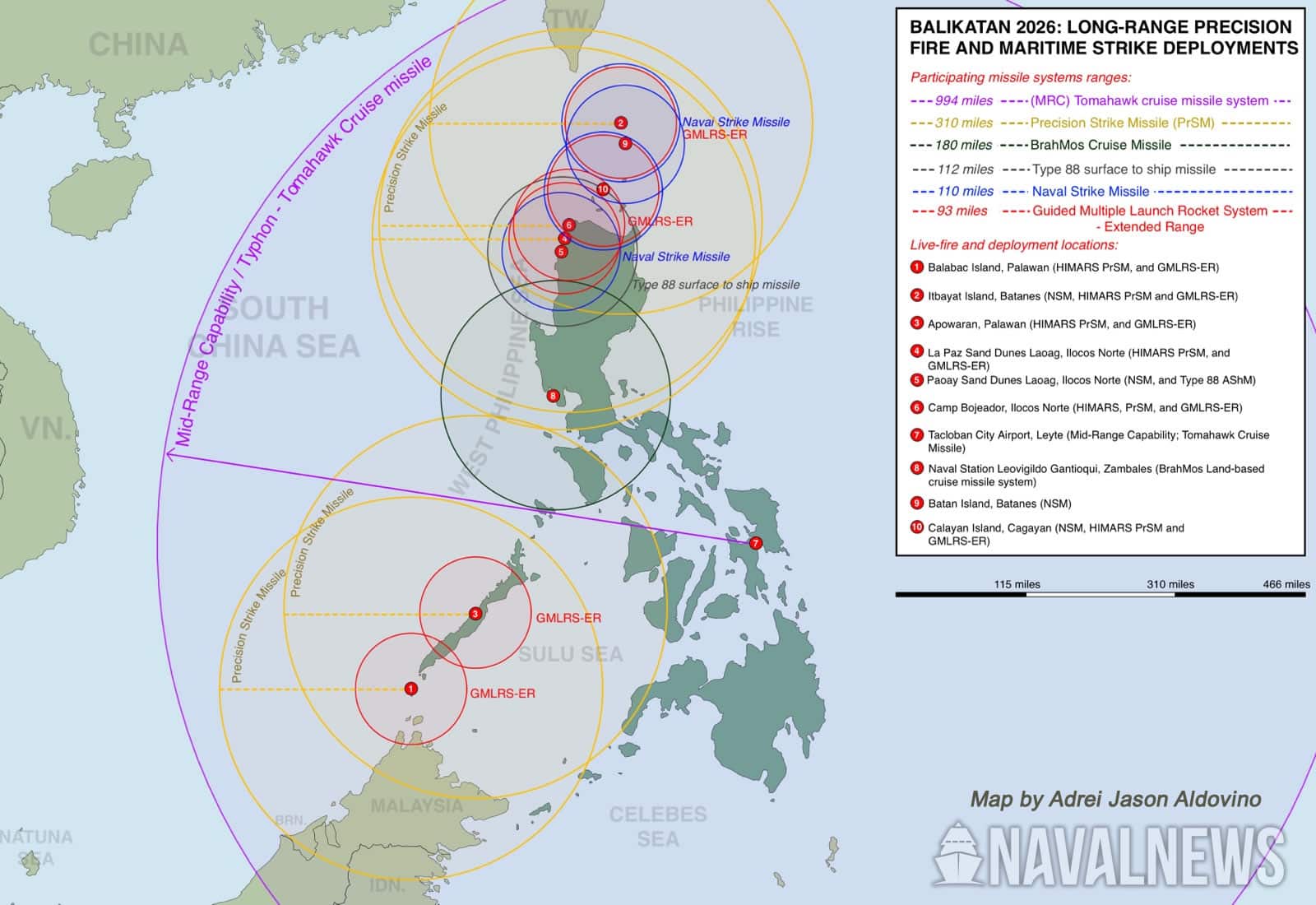
U.S. forces surged missiles across the Philippines over the course of Balikatan 2026 at key locations for simulated and live-fire exercises in some of the most intensive demonstrations of American long-range strike capabilities in the Western Pacific to date.
From April 20 to May 8, U.S. Army and Marine Corps formations specially created to combat China’s area-denial networks and maritime forces were deployed missile launchers across the Western and Northern frontiers of the Southeast Asian archipelago for Balikatan. Translating from Tagalog to “shoulder-to-shoulder,” 2026’s iteration saw 17,000 participants from the U.S., Japan, Canada, Australia and the Philippines train together in increasingly relevant coastal defense and maritime defense operations.
Of the participants, the largest contingents were provided by the host nation and its two closest partners, Washington and Tokyo. The three came together to conduct complex drills in the northern reaches of the country near Taiwan, an area of the Philippines that has received much attention in recent exercises hosted by Manila amid anxiety of its role in a potential cross-strait conflict. Philippine political and military leadership have deliberated over the country’s complex position as an American ally, the large number of citizens working in Taiwan and how Beijing may view their strategic territories in the event of a war.
While not explicitly stated, 2026’s activities against notional targets resembling Chinese amphibious assault vehicles and exercise sites near Taiwan indicate the challenges Manila is preparing for with its partners and allies.
The Missile Picture of Balikatan 2026